
Title: From Field to Table: The Art and Science of Corn Processing
Introduction:
In the tapestry of human civilization, few ingredients have woven their way into the fabric of our diets as thoroughly as corn. With its vibrant hues and remarkable versatility, this ancient grain has journeyed through time, from sacred rituals of indigenous cultures to the bustling kitchens of modern households. Behind every ear of corn lies a complex interplay of art and science, reflecting not only the ingenuity of agricultural practices but also the alchemy involved in its processing. In this exploration, we delve into the transformative journey of corn—uncovering the meticulous methods that elevate it from humble field to scrumptious table. Whether it’s the finely milled flour, the crispy corn chips that accompany our favorite dips, or the sweet syrup that sweetens our treats, understanding the intricate processes reveals the delicate balance of tradition and innovation that defines corn processing today. Join us as we navigate the fields, factories, and culinary creations that make corn an enduring staple across cultures and generations.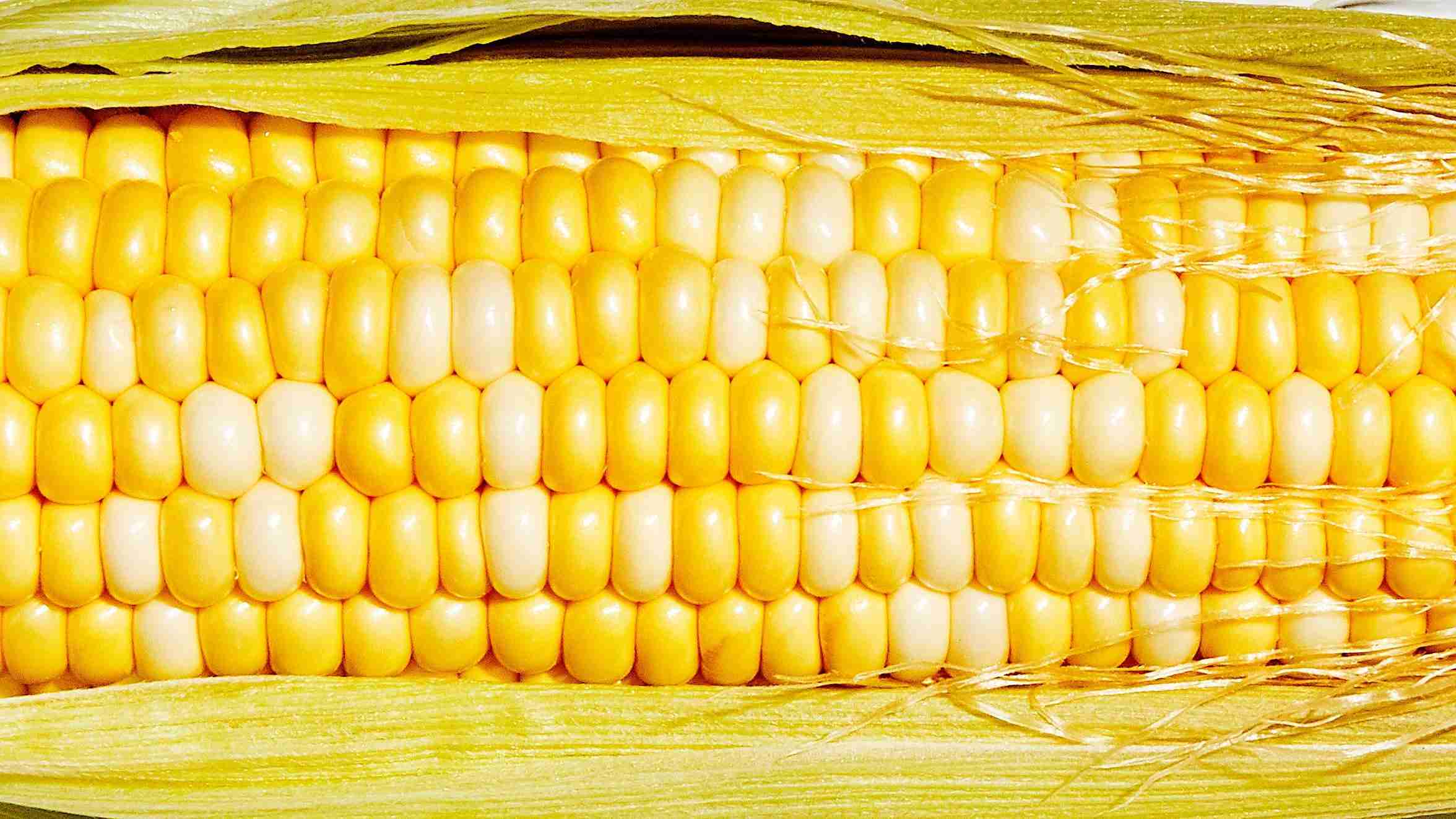
Exploring the Journey of Corn: Cultivation to Culinary Delight
Corn, often referred to as maize, takes a remarkable journey from its humble beginnings in the earth to becoming a staple in kitchens around the globe. It begins with the careful planting of seeds, which demand particular soil conditions, temperature, and moisture to thrive. Farmers nurture the growing plants through various agricultural techniques, like crop rotation and integrated pest management, to ensure a healthy yield. The moment the golden kernels are harvested, the transformation begins. Fresh corn undergoes processes such as drying, grinding, and milling, which not only preserve its flavors but also enhance its usability in a myriad of dishes.
Once processed, corn reveals a treasure trove of culinary possibilities. The versatility of this grain shines brightly in numerous forms, from sweet corn and cornmeal to polenta and corn syrup for sweetening. Each method of processing opens up new avenues for chefs and home cooks alike, allowing for a fusion of tastes and textures. For a clearer understanding of this transformation, consider the following table, which highlights popular corn products alongside their uses:
| Product | Uses |
|---|---|
| Cornmeal | Pancakes, breads, and muffins |
| Polenta | Side dish, base for stews, and fried snacks |
| Cornstarch | Thickening agent for sauces and soups |
| Corn Syrup | Sweets, beverages, and glazes |
Through each stage, from cultivating to preparing, corn showcases not only its inherent value as a food source but also its integral role in nutrition and culture worldwide. This golden grain is a testament to the art and science of food processing, which marries agricultural insight with culinary creativity.
Understanding the Processing Techniques: From Harvest to Refinement
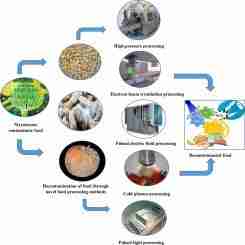
The journey of corn from the field to your table involves a complex array of processing techniques that enhance its flavor, texture, and nutritional value. After the corn is harvested, it undergoes a thorough cleaning process to remove debris, dirt, and any damaged kernels. Following this, the corn is typically dried to reach the ideal moisture level for storage and processing. Once adequately dried, the corn can be sent through a series of mechanical processes such as milling, where it is ground into different forms, including flour, cornmeal, or grits, depending on its intended use. The stage of processing can vary widely:
- Wet Milling: Separates the corn into its component parts, allowing for the extraction of starch, protein, and fiber.
- Dry Milling: Involves grinding the corn without moisture, commonly used for cornmeal and flour production.
- Instant Processing: Pre-cooked corn that allows for quick preparation of convenient food products.
As the corn continues its journey toward refinement, additional techniques are employed to enhance its qualities. For instance, during the fermentation process, microorganisms transform starches into sugars, producing products like corn syrup or ethanol. Quality control measures are integral throughout these stages, ensuring the highest standards before reaching consumers. Below is a simplified table outlining the key processing steps and their outcomes:
| Processing Step | Outcome |
|---|---|
| Harvesting | Collection of mature corn ears |
| Drying | Optimal moisture for storage |
| Milling | Various corn products (flour, meal) |
| Fermentation | Production of sugars and ethanol |
Nutritional Transformations: Enhancing the Value of Corn-based Products
The journey of corn from a simple agricultural product to a vital component of diverse diets across the globe is a remarkable transformation. Through innovative processing methods, the nutritional profile of corn can be enhanced significantly, making it a powerhouse of essential nutrients. Techniques such as nixtamalization and fermentation not only improve the digestibility of corn but also increase its vitamin content and bioavailability. For example, this traditional Mesoamerican technique of treating corn with lime boosts the levels of niacin and helps in preventing nutritional deficiencies in populations that rely heavily on corn-based diets.
Modern advances in food science have further propelled the value of corn-based products. Processing technologies such as extrusions and hydrolysis create myriad products rich in fiber, proteins, and healthy fats. The various forms of processed corn, from cornmeal and tortillas to snacks and breakfast cereals, can be designed to cater to specific dietary needs. Below is a table illustrating some of the enhanced nutritional values of select corn-based products:
| Product | Protein (g) | Fiber (g) | Vitamins & Minerals |
|---|---|---|---|
| Cornmeal | 7 | 6 | Magnesium, Thiamine |
| Tortillas | 4 | 2 | Calcium, Iron |
| Popcorn | 3 | 15 | Vitamin B6, Antioxidants |

Sustainable Practices in Corn Processing: Balancing Innovation and Tradition
The journey of corn processing is a vivid tapestry woven from threads of both innovation and tradition. As farmers cultivate their fields with care, sustainable practices come to the forefront, inviting a harmonious coexistence of modern technology and age-old techniques. Advances such as precision farming, facilitated by drones and satellite imagery, empower farmers to monitor crop health and optimize water usage, thereby reducing waste. However, the essence of traditions like crop rotation and intercropping remains vital. These time-honored methods not only preserve soil health but also enhance biodiversity, contributing significantly to sustainable ecosystems. The balance achieved between these methods can be summarized in the following points:
- Optimization of Resources: Utilizing soil sensors and climate data to corroborate traditional knowledge.
- Water Conservation: Implementing drip irrigation and rainwater harvesting while respecting indigenous practices.
- Soil Health Enhancement: Incorporating organic fertilizers alongside advanced bioengineering techniques.
As corn makes its way from farm to factory, the processing stage emphasizes sustainability without forgoing taste and quality. Innovative techniques like enzyme-assisted processing and dry milling lend themselves to eco-friendly practices while maintaining the sensory attributes that consumers love. By prioritizing energy-efficient methods and reducing emissions, processors pay homage to their heritage while paving the way for a greener future. A glimpse into the sustainable practices in processing can be illustrated through the following table, showcasing various methods and their impacts:
| Processing Method | Environmental Impact | Traditional Relevance |
|---|---|---|
| Wet Milling | Higher water usage but allows full utilization of corn | Historical grain soaking methods |
| Dry Milling | Lower energy consumption and waste generation | Artisan milling practices |
| Bioprocessing | Reduces carbon footprint and maximizes nutrient extraction | Traditional fermentation techniques |
In Conclusion
As we conclude our exploration into the intricate journey of corn, from its sun-drenched fields to the tables where it becomes a staple for millions, we are reminded of the remarkable synergy between nature and human ingenuity. The art and science of corn processing encapsulate not only the agricultural prowess required to cultivate this versatile crop but also the innovative techniques that transform it into a myriad of products, enriching culinary experiences around the globe.
Understanding the multifaceted aspects of corn processing opens our eyes to the story behind every bite—one that intertwines tradition, technology, and sustainability. As consumers, we are invited to appreciate the intricate dance of labor, knowledge, and creativity that brings corn into our lives. The next time you savor a dish made with corn or sip a beverage derived from it, take a moment to reflect on the journey it has undertaken.
In this ever-evolving landscape, as we seek to balance our needs for nourishment with our responsibility toward the environment, the lessons learned from the humble corn kernel may very well guide us toward more sustainable practices in the food industry. The journey may start in the field, but its impact resonates far beyond, shaping our diets, our health, and our connection to the world around us.



