
Turning Grains into Goodness: The Art of Cereal Milling
In the heart of every bustling kitchen and the foundation of countless recipes lies a humble yet transformative process: cereal milling. This intricate art, often overlooked, plays a pivotal role in converting raw grains into the versatile flours and meals that enrich our diets. From the golden wheat fields swaying in the breeze to the final dust of flour ready for baking, the journey of grain encompasses not just the yield of a harvest, but also a legacy of craftsmanship. With each turn of the millstone or pass through a modern milling machine, grains are not just crushed; they are transformed into the building blocks of nourishment, flavor, and tradition. In this exploration of cereal milling, we will delve into the techniques, history, and innovations that make this age-old practice a crucial contributor to our culinary landscape, revealing how the simple act of milling grains can cultivate a world of goodness.
Exploring the Grain Spectrum: Choosing the Right Raw Materials
When it comes to milling cereals, the choice of raw materials is paramount to the quality of the final product. Different grains offer unique flavors, nutritional profiles, and textures, enriching the variety available in the marketplace. Wheat, for instance, is the most common choice for producing flour due to its high gluten content, which provides elasticity in baked goods. Corn lends sweetness and a tender crumb to muffins and cornbread, while rice flour is often favored for gluten-free applications. When selecting grains, it’s vital to consider their origin and how they’re processed, as these factors can significantly influence taste and health benefits.
Additionally, the milling technique employed plays a crucial role in unlocking the precious qualities of each grain. To optimize the milling process, it’s essential to evaluate not just the type of grain but also its grind size and consistency. Different applications require specific textures—coarse grinds enhance rustic baked goods, while fine grinds are perfect for delicate pastries. A careful balance between quality grains and proper milling techniques can yield outstanding flour that elevates our culinary creations. Below is a simple comparison of some commonly used grains and their properties:
| Grain Type | Key Properties | Best Uses |
|---|---|---|
| Wheat | High gluten content | Breads, pastries |
| Corn | Sweet flavor | Polenta, cornbread |
| Rice | Gluten-free | Gluten-free baking |
| Oats | High fiber | Oatmeal, cookies |
The Milling Process Unveiled: Techniques and Innovations
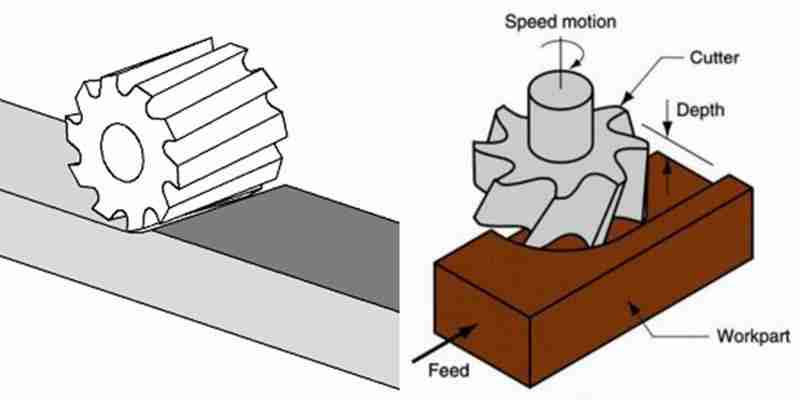
The journey of turning grains into flour is a fascinating interplay of traditional methods and modern technology. At its core, the milling process employs a variety of techniques to break down grains into their finest forms. Among the most prominent methods are grinding, sifting, and blending. Each technique comes with its unique advantages:
- Grinding: Various milling types—including stone, roller, and hammer mills—ensure that the grain is finely crushed, releasing its essential nutrients and flavors.
- Sifting: This technique helps achieve the desired texture by separating the finer flour from coarser particles, thus enhancing the quality.
- Blending: Different grains can be combined to create specialized flours that serve diverse culinary purposes, from bread-making to pastries.
Innovations in milling technology have revolutionized the industry, promoting efficiency and sustainability. Advanced machinery now incorporates automation and precision engineering, resulting in higher extraction rates and less waste. For instance, the implementation of air classification systems allows millers to separate components based on weight and size, optimizing flour extraction. Moreover, the rise of organic and whole grain options is pushing mills to adapt their processes:
| Technique | Benefits |
|---|---|
| Stone Milling | Retains nutrients and flavor |
| Roller Milling | Consistent texture and quality |
| Cold Milling | Minimizes heat damage |
Nutritional Enhancements: Maximizing the Benefits of Milled Grains
The journey of milled grains goes beyond mere transformation; it’s about the nutritional bounty they can offer. By milling grains into flours, we change their texture and usability, unlocking potential benefits that can elevate our diets. To maximize these enhancements, consider the following strategies:
- Incorporate Whole Grains: Whole grain flours retain their bran and germ, enriching recipes with fiber, vitamins, and minerals.
- Experiment with Blends: Mixing different types of flours can create unique nutritional profiles. For instance, combining oat flour with almond flour can boost protein and healthy fat content in baked goods.
- Fortification: Adding nutrient-rich ingredients such as seeds or nuts can enhance the overall health benefits of milled grain products.
Additionally, understanding the components of grain milling can guide our culinary choices. For instance, different milling techniques can affect the nutrient retention of grains:
| Milling Technique | Impact on Nutritional Quality |
|---|---|
| Stone Ground | Retains most nutrients by preserving bran and germ. |
| Steel Roller | Produces fine flour but may remove fiber-rich parts. |
| Impact Milling | Quick processing but could result in some nutrient loss. |
By carefully choosing the type of milled grain and the right milling method, one can nurture health while enjoying the rich, comforting flavors of whole grain goodness.

Sustainable Practices in Cereal Milling: Contributing to a Greener Future
The cereal milling industry is evolving, embracing sustainable practices that not only enhance productivity but also protect our planet. Facilities are increasingly adopting energy-efficient technologies that minimize waste and reduce carbon footprints. For instance, many mills are upgrading to renewable energy sources such as solar and wind, ensuring that the power used in converting grains into wholesome products is as clean as possible. Furthermore, sustainability initiatives often involve optimizing water usage, leading to significant reductions in consumption and improving the overall health of local ecosystems.
Another vital aspect of the transition towards greener practices lies in the adoption of responsible sourcing methods. By partnering with local farmers who practice sustainable agriculture, mills can ensure that their raw materials are not only high-quality but also produced with environmentally-friendly techniques. Additionally, implementing effective by-product management systems allows milling facilities to re-purpose and recycle waste materials, thus contributing to a circular economy. This mindset shifts the industry towards a more sustainable future, focusing on the full lifecycle of grain and fostering a culture of innovation aimed at environmental stewardship.
The Conclusion
As we wrap up our journey through the intricate world of cereal milling, it becomes clear that this time-honored craft is a delicate balance of science and artistry. From the rustling fields where grains first sprout to the rhythmic symphony of milling machinery, each phase plays a critical role in transforming nature’s bounty into the wholesome products we cherish. As consumers, our understanding of this process deepens our appreciation for the cereal that graces our breakfast tables, reminding us that every bowl holds a story—a narrative woven with tradition, innovation, and sustainability.
With the continuous evolution of milling technology and a growing awareness of health and environmental concerns, the future of cereal milling promises exciting possibilities. Through responsible practices and a commitment to quality, the industry can ensure that grains not only nourish our bodies but also contribute positively to our planet.
So, as you savor your next spoonful of cereal—from the familiar crunch of cornflakes to the complex flavors of artisanal granola—remember the journey it took to arrive in your pantry. In turning grains into goodness, we celebrate the harmony of nature and human ingenuity, reminding us that every bite is a testament to the power of transformation.



