
From Field to Factory: The Art of Corn Processing
Amidst the vast expanse of golden cornfields, where the sun dips low and paints the landscape in hues of amber, lies a journey that transforms humble grains into an array of essential products. The art of corn processing is a meticulous dance between nature and technology, bridging the gap between the earth and the factory floor. From the moment the kernels burst forth from the soil to their ultimate metamorphosis into everything from sweeteners and snacks to biofuels and industrial ingredients, corn weaves an intricate narrative of innovation and tradition. This article unravels the fascinating journey of corn processing, exploring the techniques that honor its agricultural roots while embracing the advancements that propel it into the future. Join us as we delve into the science and artistry behind this vital crop, illuminating the path that takes corn from field to factory, and highlighting its profound impact on our daily lives.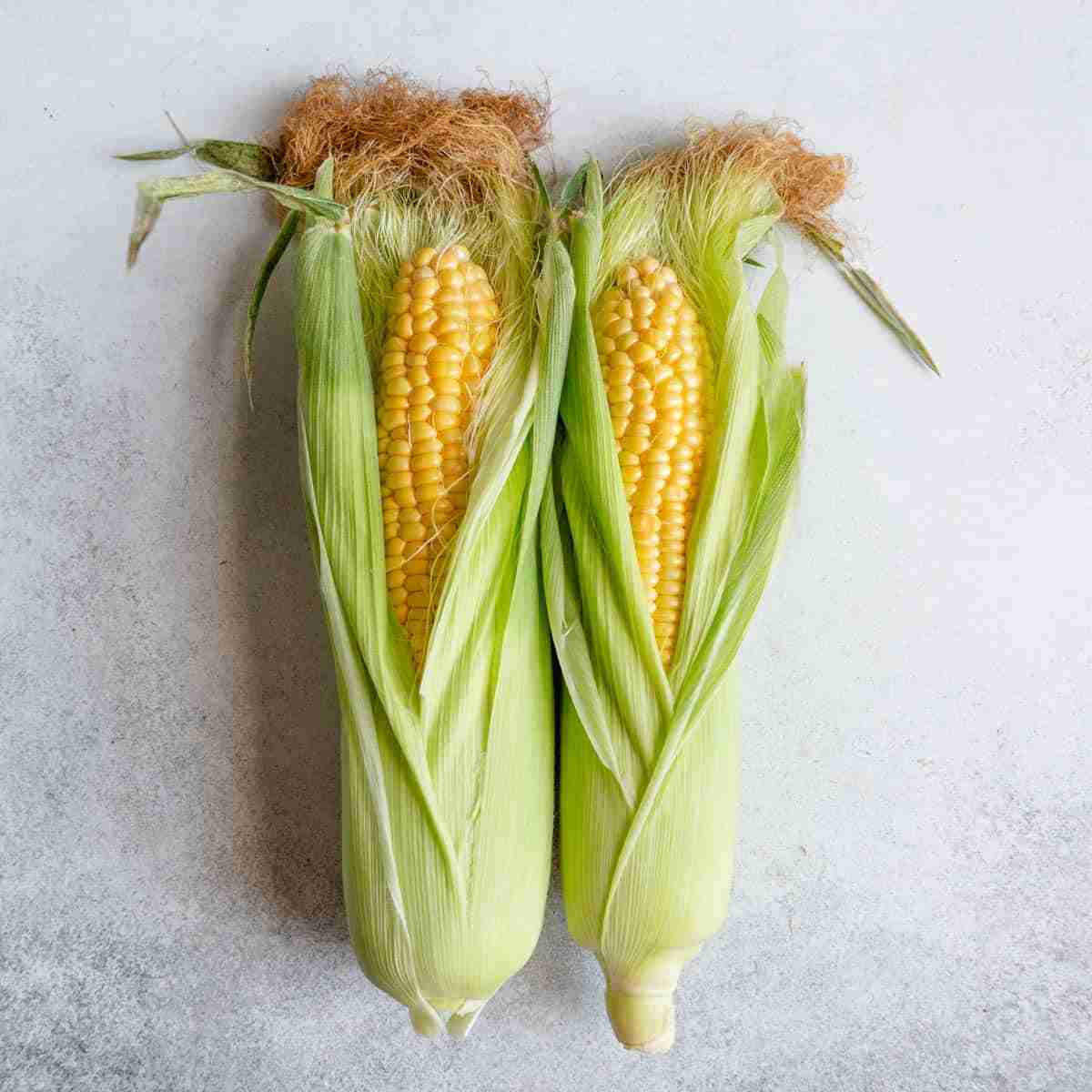
Understanding the Journey of Corn from Harvest to Production
In the vast expanse of golden cornfields, the journey begins as ears of corn are harvested by skilled farmers using technologically advanced machinery. These machines carefully separate the corn from its stalk, ensuring minimal damage to the precious kernels. Post-harvest, the corn is transported to processing facilities where it undergoes meticulous cleaning to remove impurities like dirt and debris. The initial step is crucial for maintaining quality, as it sets the stage for further processing. Once cleaned, the corn is dried to achieve optimal moisture content, ensuring that the kernels are preserved for extensive processing.
The next stage is conversion, where the corn is transformed into various products through methods tailored to specific end uses. Using cutting-edge equipment, the corn can be milled into flour, processed into sweeteners, or converted into biofuels. Some of the essential processes include:
- Milling: This involves grinding corn into flour or meal.
- Fermentation: Corn is fermented to produce ethanol, a renewable energy source.
- Extrusion: A method employed to create snack foods or cereals.
The transformation of corn doesn’t end here. A variety of outputs can emerge from this humble grain, as producers innovate and create distinctive products. This adaptability of corn leads to a diverse range of uses showcased in the following table:
| Product | Usage |
|---|---|
| Corn Syrup | Sweetener in beverages & processed foods |
| Corn Oil | Cooking oil & ingredient in margarine |
| Corn Starch | Thickening agent in sauces & desserts |
| Animal Feed | Nutrition for livestock |
This intricate journey illustrates not just the processing techniques, but also the endless possibilities that corn offers as a raw material. As the world continues to innovate, the bond between agriculture and industry solidifies, ensuring that nothing goes to waste and every kernel tells a story of transformation.

Innovative Techniques in Corn Processing for Enhanced Quality
In recent years, the corn processing industry has witnessed remarkable advancements that focus on optimizing product quality while minimizing waste. One of the most groundbreaking techniques involves the use of enzymatic treatments. By carefully selecting and applying specific enzymes during the milling process, manufacturers can enhance the extraction of valuable components such as starch and protein. This not only improves the overall yield but also elevates the nutritional profile of the final products. Additionally, the implementation of dry fractionation techniques allows for the separation of corn components without the use of water, resulting in a more sustainable approach that preserves the natural integrity of each element.
Another innovative approach gaining traction is supercritical fluid extraction, which utilizes carbon dioxide under high pressure to efficiently extract oils and flavor compounds from corn. This technology is lauded for its ability to produce high-quality extracts without the need for harmful solvents, thus appealing to health-conscious consumers. Moreover, ultrasonic processing is emerging as a game changer, employing high-frequency sound waves to enhance homogenization and emulsification rates. This technique ensures a uniform product consistency while reducing processing time and energy consumption. As these methods continue to evolve, they promise to refine the art of corn processing, producing not only superior-quality ingredients but also a more sustainable industry practice.
| Technique | Benefits |
|---|---|
| Enzymatic Treatments |
|
| Dry Fractionation |
|
| Supercritical Fluid Extraction |
|
| Ultrasonic Processing |
|

Sustainability Practices in the Corn Processing Industry
The corn processing industry is increasingly adopting innovative approaches to enhance its sustainability. By integrating eco-friendly practices throughout the production chain, companies are minimizing waste and resource consumption. For instance, many facilities are now utilizing biogas generated from leftover organic materials, transforming potential waste into energy that powers operations. Furthermore, a focus on water conservation is paramount, with many processors implementing advanced purification systems that recycle water for multiple uses, effectively reducing overall water withdrawal.
Another critical aspect of sustainability in this sector is the emphasis on sustainable sourcing of corn. By collaborating with farmers who implement crop rotation and organic farming techniques, processors ensure that the corn they use is grown responsibly. Moreover, educational programs are being established to help farmers adopt practices that protect biodiversity and soil health. To illustrate the impact of these sustainability initiatives, consider the following table showcasing the percentage reduction in resource usage achieved by some industry players in recent years:
| Resource | Reduction Percentage |
|---|---|
| Water Usage | 30% |
| Energy Consumption | 25% |
| Waste Production | 40% |

Navigating Market Trends: Adapting Corn Products for Consumer Demand
As consumer preferences evolve, the landscape of corn products requires a keen eye for emerging trends. Health-conscious shoppers are increasingly prioritizing nutritional value and transparency in their food choices. This shift has led to greater demand for corn-based ingredients that align with such values. Producers are responding by innovating their product lines to highlight natural, whole corn ingredients and offering options like organic, gluten-free, and fortified variants. For instance, many companies are exploring the incorporation of quinoa and chia seeds into traditional corn snacks, enhancing their appeal by boosting protein and fiber content.
Beyond health, sustainability has risen to the forefront of consumer demand, urging manufacturers to rethink their sourcing and processing methods. Implementing practices that minimize environmental impact not only fulfills ethical consumerism but also meets regulatory standards. A few strategies for meeting this demand include:
- Utilizing local supply chains to reduce carbon footprints and promote community agriculture.
- Reducing waste by finding innovative uses for corn by-products, such as using gluten and husks in bioplastics or animal feed.
- Investing in green technologies that enhance energy efficiency during processing.
Such adaptability not only improves marketability but also cultivates brand loyalty as consumers increasingly seek out products that contribute to both personal and planetary well-being. Balancing these consumer expectations while maintaining product integrity and profitability is the ongoing challenge corn processors face, urging them to weave sustainability into the very fabric of their operations.
To Wrap It Up
As the sun sets over the golden fields, the journey of corn transforms into an intricate ballet between nature and machinery. From the humble beginnings of a single seed nestled in rich soil to the bustling factories where kernels are meticulously processed, corn’s story is a remarkable testament to human ingenuity and agricultural prowess. Each step of this journey carries with it a tapestry of techniques and traditions, where science meets art, and the familiar scents of roasted corn and sweet cornbread evoke nostalgia for many.
Understanding the symbiotic relationship between field and factory illuminates not just the process but the passion of those who dedicated their lives to this golden grain. As we savor the myriad of products that stem from corn—be it in our kitchens, on our farms, or in our favorite snacks—we are reminded that this seemingly simple crop is a cornerstone of our food system and a vibrant thread in the fabric of our daily lives.
the art of corn processing is not merely about production; it’s about connection—to the land, to the farmers, and to each other. As we move forward, may we cultivate a deeper appreciation for this versatile crop and all who labor tirelessly to bring it from field to factory, enriching our meals and our lives in ways we may not always notice but certainly cherish.



