
Grains to Flour: The Art and Science of Cereal Milling
In the heart of every loaf of bread, every delicate pastry, and every comforting bowl of porridge lies an often-overlooked transformation: the journey from humble grain to fine flour. This intricate process, known as cereal milling, blends art and science in a meticulous dance that has evolved over centuries. While the world rushes to embrace new dietary trends and culinary innovations, the foundational ingredients of our diets—grains—remain steadfast in their importance. Understanding the intricacies of how these grains are processed not only illuminates the vital role they play in our culinary landscapes but also sheds light on the broader narrative of agriculture, technology, and nutrition. Join us as we explore the fascinating world of cereal milling, where tradition meets innovation, and the subtle nuances of grain varieties open the door to endless possibilities in the kitchen.
Understanding the Milling Process: Transforming Grains into Versatile Flour
At the heart of every flour milling operation lies a meticulous combination of art and science, employing a series of processes that convert raw grains into fine powder ready for baking. Initially, the milling process begins with cleaning the grains to remove impurities, ensuring that the end product is pure and safe. Once cleaned, the grains undergo conditioning, a crucial step that enhances moisture content, making them easier to grind. Core to this transformation is the crushing, which breaks down the grains’ outer layers, followed by the grinding processes that reduce them to flour. This multi-faceted operation not only requires precision and skill but also employs various types of milling equipment, including roller mills and stone mills, each contributing distinct qualities to the flour produced.
The milling process further involves sifting, which separates larger, unground particles from the finer flour, thereby creating a consistent texture ideal for diverse culinary applications. Flour can be categorized based on its extraction rate, which is the proportion of the grain that remains after milling. Different flours yield unique results in cooking and baking, allowing for a myriad of textures and flavors. Below is a glimpse of various types of flours derived from common grains:
| Type of Flour | Grain Source | Uses |
|---|---|---|
| All-Purpose Flour | Wheat | Baking, cooking, thickening |
| Whole Wheat Flour | Wheat | Breads, pastries |
| Rye Flour | Rye | Bread, crackers |
| Corn Flour | Corn | Tortillas, sauces |
Exploring the Varieties of Grains: Choosing the Right Substance for Flour Types
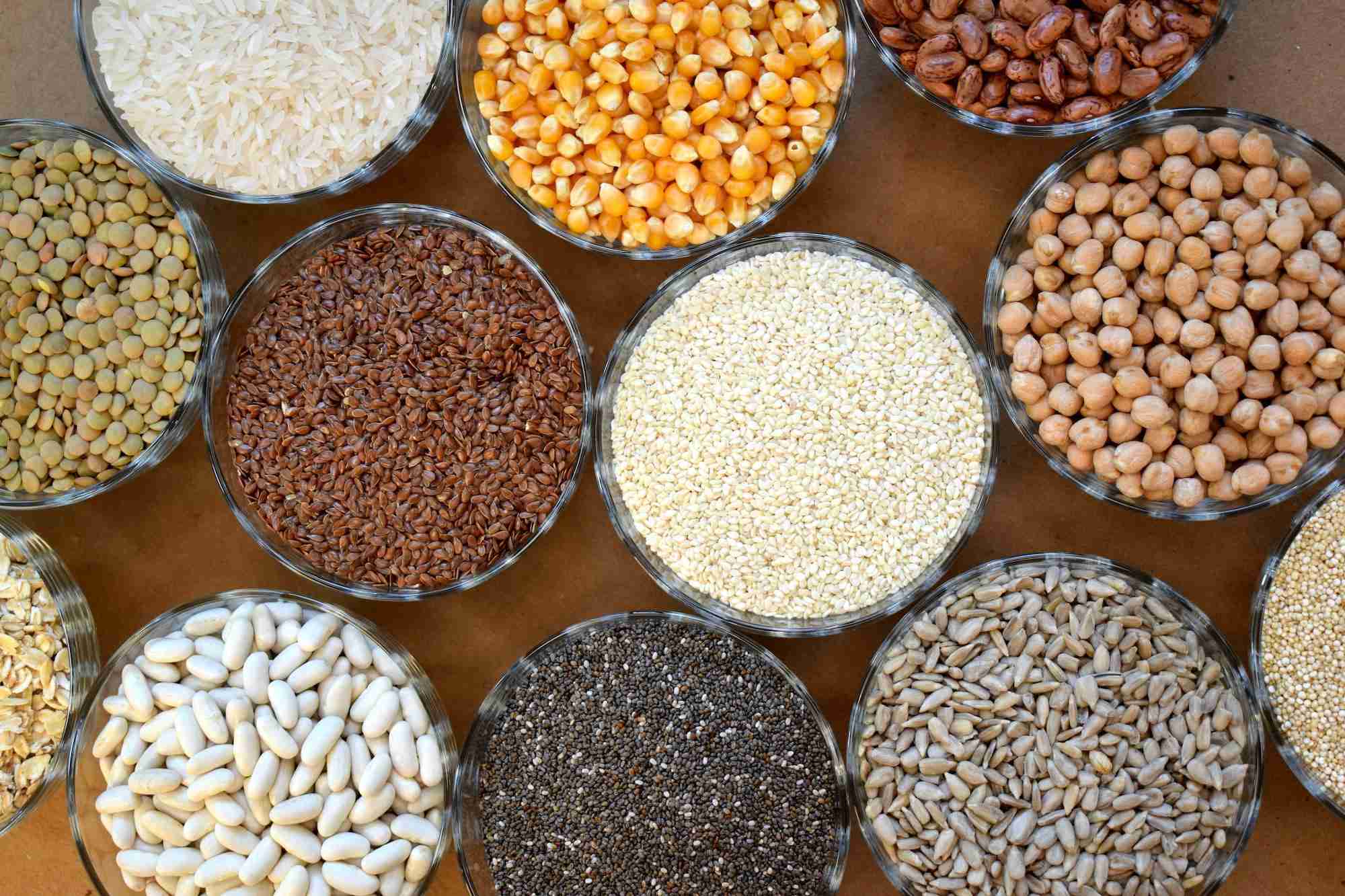
When it comes to milling grains into flour, the choice of grain significantly impacts both flavor and functionality. Each type of grain brings its unique characteristics to the table, creating an array of possibilities for bakers and cooks alike. Wheat, for instance, is a staple due to its high gluten content, making it ideal for bread and pasta. In contrast, rye flour offers a dense texture and a robust flavor, perfect for hearty breads. Other grains, such as corn, provide a naturally sweet flavor, lending themselves wonderfully to cornbreads and tortillas. As you explore these grains, consider how their properties can enhance your baked goods:
- Wheat: Versatile and gluten-rich
- Rye: Earthy and dense, great for traditional bread
- Corn: Sweet flavor; ideal for gluten-free options
- Oats: Nutty and wholesome, excellent for cookies and pancakes
- Sorghum: Mildly sweet and nutritious, suitable for gluten-free formulations
Beyond considering the type of grain, one must also think about the milling process and how it affects flour texture and quality. Different milling techniques yield varying flour textures—from fine to coarse. For example, whole grain flour retains the bran and germ, adding nutritional benefits and a rich, nutty flavor. On the other hand, refined flours, which undergo more processing, are lighter and provide a softer crumb structure, which is favored in pastries and cakes. Understanding the interplay between grain selection and milling process is crucial for achieving your desired outcomes:
| Grain Type | Flavor Profile | Best Use |
|---|---|---|
| Wheat | Mild and versatile | Breads, pasta, pastries |
| Rye | Earthy and tangy | Rye bread, crackers |
| Corn | Sweet and buttery | Cornbread, tortillas |
| Oats | Nutty and warm | Pancakes, cookies |
| Sorghum | Mildly sweet | Gluten-free baking |

The Nutritional Impact of Freshly Milled Flour: Enhancing Health Through Whole Grains
Freshly milled flour serves as more than just a cooking ingredient; it is a nutritional powerhouse. Whole grains, when milled on demand, retain their natural oils, vitamins, and minerals, which are often lost in highly processed flours. By choosing freshly milled flour, consumers can unlock a myriad of health benefits, making it an invaluable addition to a balanced diet. The milling process preserves essential components such as:
- Fiber: Supports digestive health and helps in maintaining a healthy weight.
- Proteins: Essential for muscle repair and overall growth.
- B vitamins: Important for energy metabolism and brain health.
- Antioxidants: Combat oxidative stress and promote heart health.
The nutritional profile of freshly milled flour surpasses that of commercially processed varieties, offering significant advantages for health-conscious individuals. To further illustrate this, the table below contrasts the nutrient content of whole grain flour with refined flour:
| Nutrient | Whole Grain Flour (per 100g) | Refined Flour (per 100g) |
|---|---|---|
| Fiber | 10g | 2.7g |
| Protein | 13g | 9g |
| Iron | 3.6mg | 0.6mg |
| Magnesium | 90mg | 25mg |
These findings highlight the stark contrast in nutritional value, showcasing how the process of milling can profoundly affect the quality of grains we consume. Incorporating whole grains through freshly milled flour not only enhances the flavor of finished products but also fortifies our diet with essential nutrients necessary for optimal health.
Mastering Home Milling: Equipment, Techniques, and Recipes for Flour Enthusiasts
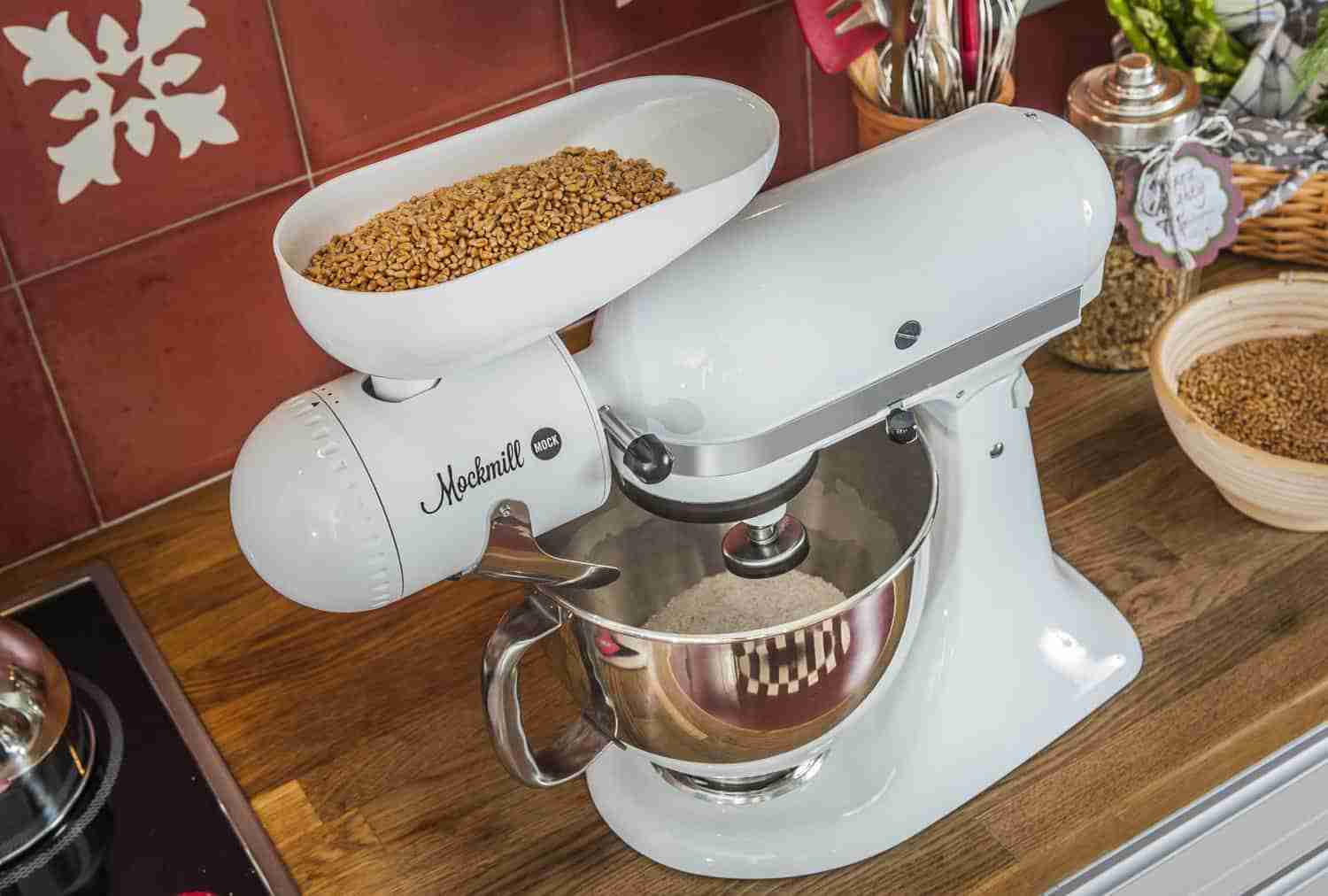
For those who appreciate the culinary craft of baking, home milling transforms the mundane process of flour preparation into a satisfying and aromatic experience. At the heart of this art lies a selection of milling equipment, each offering distinctive qualities that can dramatically influence the flour’s flavor and texture. From manual hand mills to high-powered electric grinders, here are some popular options to consider:
- Manual Hand Mills: Perfect for small batches and those who enjoy the meditative process of milling.
- Electric Grinders: Ideal for larger quantities; they save time and effort.
- Stone Mills: Renowned for preserving the grain’s natural oils, offering rich, flavorful flour.
- Burr Mills: Commonly recommended for versatility and consistency, they can handle a variety of grains.
Once you’ve selected the right mill, the next step is to master the techniques of milling. The key to unlocking nature’s pantry lies not only in the choice of grain but also in understanding the ideal grind settings. Here’s a simple comparison of grain types and their corresponding flour textures:
| Grain Type | Recommended Grind Setting | Texture |
|---|---|---|
| Wheat | Fine | Soft and smooth |
| Rye | Medium | Coarse and earthy |
| Oats | Medium to Fine | Flaky and powdery |
| Barley | Coarse | Granular |
With a strong grasp of your milling equipment and techniques, flour enthusiasts can unlock an array of creative recipes. Try your hand at homemade bread, pasta, or even pancake mixes, utilizing your very own freshly milled flour to enhance flavor and nutrition. Embrace the journey from grain to flour, where each batch promises a unique culinary adventure.
Final Thoughts
As we draw the curtain on our exploration of “Grains to Flour: The Art and Science of Cereal Milling,” it becomes evident that this craft is a fascinating blend of tradition and innovation. Every grain, with its unique characteristics, tells a story shaped by the soil it grew in, the methods of cultivation, and the ingenuity of those who transform it.
Whether you’re a seasoned baker or a curious novice, understanding the journey from grain to flour enriches our connection to food—a reminder of the labor and artistry behind the simple act of baking bread or pastries. The techniques of milling, honed over centuries, continue to evolve, marrying age-old wisdom with modern technology.
So, as you embark on your next culinary adventure, take a moment to appreciate the grains that play a pivotal role in your creations. Their transformation into flour is not merely a process; it is a celebration of nature, science, and the timeless pursuit of gastronomy. Happy baking!



