
Unlocking the Golden Grain: The Art of Corn Processing
In the heart of fields kissed by the sun, where the golden stalks sway gently in the breeze, lies a staple of global nutrition: corn. This humble grain, cultivated for thousands of years, is more than just a crop; it’s a cornerstone of countless cultures and cuisines. From the vibrant tortillas of Mexico to the soul-warming cornbread of the Southern United States, corn has woven itself into the fabric of our daily lives. Yet, the journey from field to table is rich with complexity and innovation.
In this article, we embark on a journey to explore the multifaceted world of corn processing—a process that transforms sweet kernels into a myriad of products, each with its own unique story. Delving into the techniques and technologies that unlock the grain’s potential, we uncover the art behind everything from cornmeal to biofuels. Join us as we celebrate this versatile crop and the skilled artisans and scientists who harness its bounty, revealing how corn processing not only feeds the world but also fuels our economies and nourishes our creativity.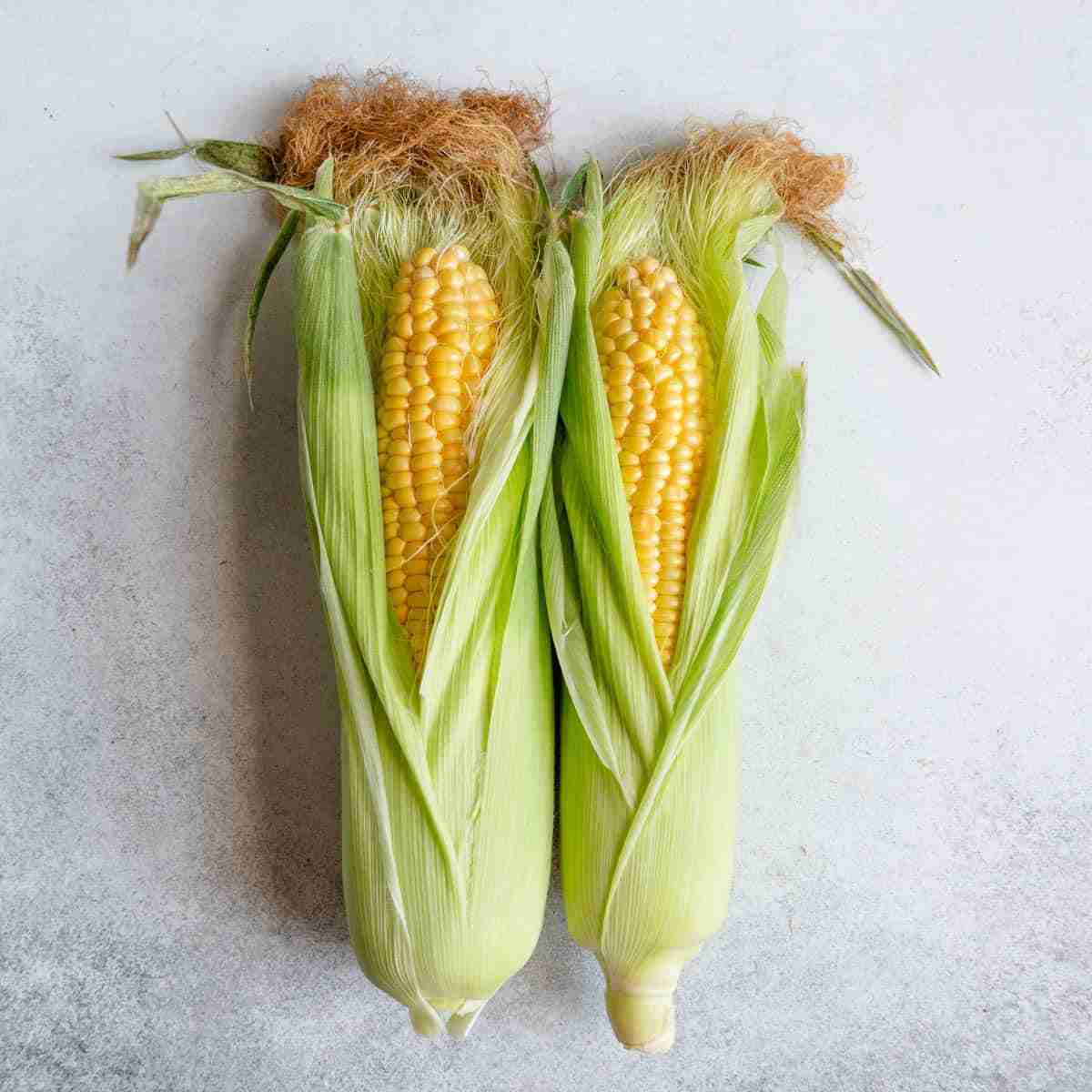
Exploring Traditional Techniques in Corn Processing
Delving into the ancient practices of corn processing reveals a rich tapestry of methods that have been passed down through generations. These techniques, often rooted in the cultural traditions of various communities, highlight the intricate relationship between people and their staple crop. From the nixtamalization process in Mesoamerica to the grinding of cornmeal in Southern kitchens, each technique serves a distinct purpose and enhances the flavor and nutritional profile of the beloved golden grain. Not only do these practices maintain historical significance, but they also offer a glimpse into sustainable food preparation that minimizes waste and maximizes flavor.
Some notable traditional techniques include:
- Nixtamalization: A method where corn is soaked and cooked in an alkaline solution, unlocking nutrients and improving flavor.
- Stone Grinding: Using a traditional stone mill to produce fine cornmeal, preserving the texture and integrity of the grain.
- Fermentation: Utilizing natural microbial activity to create unique flavors, as seen in dishes like tamales and polenta.
To illustrate the diversity in corn processing across different cultures, consider the following:
| Culture | Technique | Dishes |
|---|---|---|
| Mesoamerican | Nixtamalization | Tortillas, Tamales |
| Southern United States | Stone Grinding | Grits, Cornbread |
| Italian | Polenta Preparation | Polenta, Fritters |
This exploration of traditional corn processing showcases not only the culinary versatility of the grain but also its historical and cultural significance. Each method tells a story of innovation and adaptability, revealing how communities have thrived by respecting and harnessing the potential of their natural resources.

Innovative Methods for Maximizing Nutritional Value
One of the most groundbreaking approaches to enhancing the nutritional profile of corn involves the integration of fermentation techniques. By utilizing specific strains of beneficial microorganisms, processors can transform regular corn into a superfood, packed with probiotics and enhanced bioavailability of nutrients. This method not only preserves the essential vitamins and minerals but also introduces new flavors and textures that appeal to a variety of palates. Various fermented corn products, such as masa and chicha, have been celebrated in traditional cuisines, showcasing how age-old practices can be revitalized for modern nutritional needs.
Another innovative strategy is the development of biofortified corn varieties, which are genetically enhanced to contain higher levels of vitamins and minerals. For instance, the introduction of corn that is naturally higher in beta-carotene can combat vitamin A deficiency in regions where corn is a dietary staple. By employing advanced breeding techniques, researchers are able to create resilient crops that not only withstand harsh growing conditions but also deliver enhanced health benefits. This pursuit of nutritionally dense corn can be summarized in the following table:
| Corn Variety | Enhanced Nutrients | Potential Benefits |
|---|---|---|
| Golden Corn | Beta-Carotene | Improved vision, enhanced skin health |
| High-Zinc Corn | Zinc | Boosted immunity, better wound healing |
| Vitamin E Enriched Corn | Vitamin E | Antioxidant properties, improved skin health |

Sustainable Practices in Corn Production and Processing
Within the realm of agriculture, the pursuit of sustainability has become fundamental, especially in the cultivation and processing of corn. Techniques that minimize environmental impact while maximizing yield are essential. Crop rotation and cover cropping are two methods that not only help soil health but also reduce reliance on chemical fertilizers. Furthermore, utilizing integrated pest management (IPM) ensures that pest control is effective yet eco-friendly, leading to enhanced biodiversity and a healthier ecosystem. These practices exemplify how modern agriculture can harmonize with nature, ultimately resulting in cleaner and more sustainable corn production.
In the processing of corn, sustainability can be supported through innovative technologies that reduce waste and promote efficient resource use. Bioprocessing techniques allow for the conversion of corn into various products, from biofuels to biodegradable plastics, significantly reducing our carbon footprint. Additionally, the implementation of water-saving technologies ensures that the processing facilities operate with minimal environmental stress. The following table showcases some of the key sustainable practices in corn processing and their benefits:
| Practice | Benefit |
|---|---|
| Waste-to-Energy Conversion | Reduces landfill waste and generates renewable energy |
| Water Recycling Systems | Minimizes water consumption and lowers operating costs |
| Use of Enzymes in Processing | Improves efficiency and decreases energy consumption |

The Future of Corn: Trends and Technologies Shaping the Industry
The corn industry stands on the brink of transformation, driven by innovative technologies and shifting consumer demands. As we move forward, the focus will increasingly be on improving sustainability and efficiency throughout the supply chain. Key trends include the adoption of precision agriculture, which utilizes data analytics to enhance crop yields while minimizing resource use. Additionally, biotechnology is creating varieties of corn that are more resistant to pests and diseases, reducing the need for chemical pesticides and promoting a greener approach to farming. Moreover, advances in genetic engineering may soon introduce drought-resistant strains, ensuring stable production in fluctuating climate conditions.
As the landscape evolves, processing techniques are also being refined. Efforts to enhance the value of corn byproducts are gaining traction, turning what was once waste into profitable resources. For instance, the development of processes to extract corn oil, starch, and ethanol more efficiently highlights the movement towards circular economy principles. Furthermore, companies are investing in automation and artificial intelligence to streamline production workflows and improve product quality. The confluence of these trends is shaping a dynamic future for corn processing, making it not just a staple grain but a critical component in the drive toward a sustainable food system.
Future Outlook
As we draw to a close on our exploration of the intricate and transformative world of corn processing, it becomes evident that this golden grain is much more than a staple in our diets; it is a testament to human ingenuity and agricultural mastery. From the rustle of corn husks in sunlit fields to the rhythmic hum of modern processing plants, each step in the journey of corn tells a story of innovation, tradition, and sustainability.
Unlocking the potential of this versatile crop requires not only skill and knowledge but also an appreciation for the rich cultural heritage intertwined with its cultivation. As we continue to refine the art of corn processing, embracing new technologies and practices, we are also honoring the age-old methods that have nourished generations.
In navigating the contours of this vibrant industry, we stand at a crossroads where the past meets the future, allowing us to envision a world where corn not only feeds our bodies but also fuels our creativity and resilience. As we indulge in the fruits of this labor, let us remain mindful of the hands that sow, nurture, and harvest, transforming every golden kernel into a catalyst for culinary delight and a cornerstone of food security.
Thank you for joining us on this journey through the heart of corn processing. May we continue to celebrate the art behind the grain, unlocking its endless possibilities for generations to come.



