
In the heart of agriculture lies a grain that has shaped civilizations, sustained generations, and fueled innovation: maize. Beyond the vibrant fields stretching towards the horizon, where golden kernels dance under the sun’s embrace, there exists an intricate process that translates the raw potential of this staple into flour, meal, and a multitude of culinary delights. “Grinding Success: The Art and Science of Maize Milling” delves into this fascinating world, where tradition meets technology in a harmonious blend of craftsmanship and engineering. From the ancient practices of hand-grinding to the sophisticated machinery of modern mills, we explore how the age-old art of milling has evolved, uncovering the delicate balance between preserving flavor and maximizing efficiency. Join us as we unravel the layers of maize milling, revealing the dedication, innovation, and expertise that transform simple grains into essential ingredients for kitchens around the globe.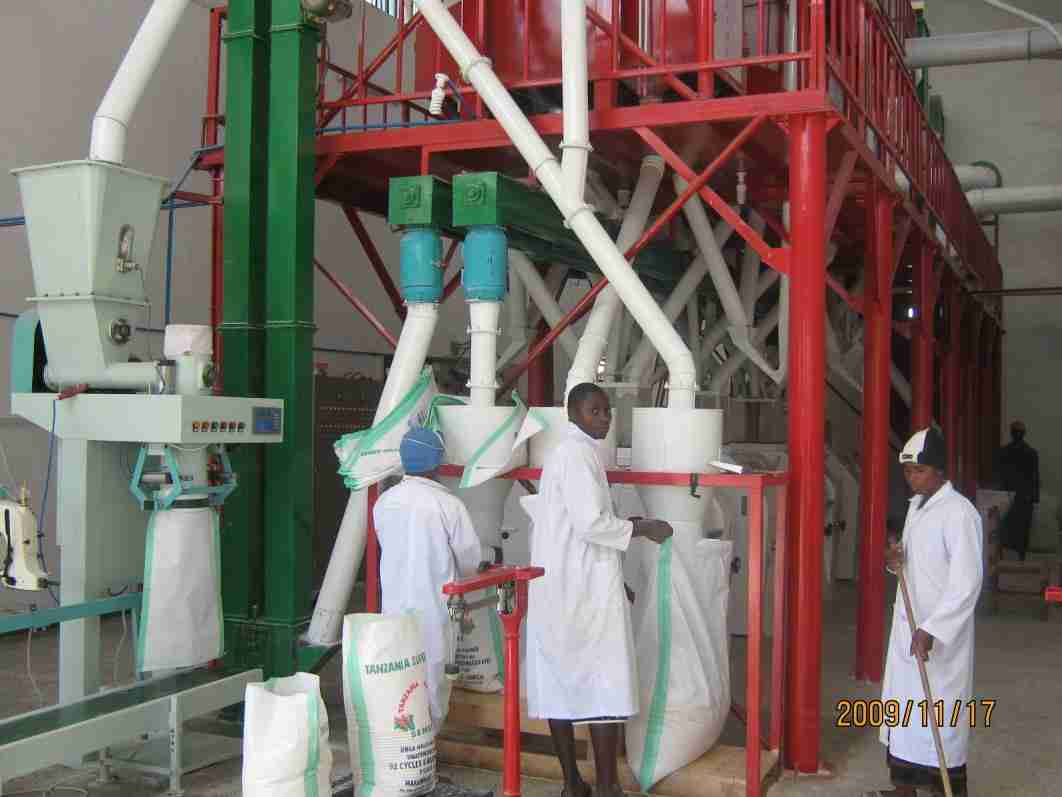
Understanding the Fundamentals of Maize Milling Techniques
Maize milling is a time-honored practice that transforms whole kernels into fine flour or coarse grits, catering to diverse culinary needs around the world. Understanding the fundamental techniques involves recognizing the different types of mills available, each contributing unique attributes to the milling process. For instance, traditional stone mills offer a nostalgic allure and result in a nutrient-rich flour due to their grinding method. In contrast, modern roller mills provide efficiency and consistency, making them ideal for large-scale production. Key aspects to consider in the milling technique include:
- Grinding Method: The choice between stone, roller, or hammer milling dictates the texture and flavor profile of the final product.
- Kernels’ Quality: Fresh, high-quality kernels produce superior flour, impacting both taste and nutritional value.
- Moisture Content: Proper drying can prevent spoilage and ensure optimal milling performance.
The impact of each milling technique extends beyond the production of flour; it shapes the very essence of maize-based dishes enjoyed globally. Various techniques also affect the nutritional composition of the final product, wherein the extraction rate and particle size play critical roles. A modern approach to maize milling may utilize a multi-stage process to enhance quality. Here’s a glimpse into how these processes interact:
| Technique | Output Type | Nutritional Aspect |
|---|---|---|
| Stone Milling | Whole Grain Flour | Retains bran and germ, high fiber |
| Roller Milling | Refined Flour | Lower fiber, longer shelf life |
| Hammer Milling | Coarse Grits | Retains more nutrients, versatile |
Choosing an appropriate milling method requires a keen understanding of the desired end product’s use, texture, and accompanying nutritional values. Educators, chefs, and millers alike must align their techniques with cultural preferences and health benefits, ensuring that every meal tells a story through its ingredients. As the field of maize milling continues to evolve, embracing both traditional and innovative methods will remain crucial for preserving the maize’s rich legacy.

Optimizing Equipment Selection for Maximum Efficiency
In the quest for efficient maize milling, the selection of equipment plays a pivotal role. Each machine must complement the overall workflow, ensuring that the process from grain intake to final product is seamless. Factors such as capacity, energy consumption, and maintenance requirements should guide decisions. Given the diversity of milling operations, it’s essential to analyze the specific needs of the business. Integrating high-quality machinery can lead to significant improvements in productivity while minimizing downtime. When selecting equipment, consider:
- Milling Technology: Whether to choose roller mills, hammer mills, or impact mills based on the desired flour texture and production scale.
- Automation Features: Equipments with advanced automation can monitor and adjust processes, ensuring consistent quality and reducing labor costs.
- Customization Options: Look for machinery that allows adjustments for different maize types and milling requirements.
Analyzing the operational costs associated with each equipment choice is equally important. A detailed comparison can help identify the right balance between upfront investment and long-term returns. A well-structured table can provide insight into various equipment options:
| Equipment Type | Capacity (kg/h) | Energy Consumption (kWh) | Maintenance Frequency |
|---|---|---|---|
| Roller Mill | 500 | 15 | Monthly |
| Hammer Mill | 300 | 10 | Weekly |
| Impact Mill | 400 | 12 | Bi-Monthly |
Choosing the right milling equipment leads not only to operational efficiency but also to the potential for scaling operations. By investing in the right machine, millers can enhance their products’ quality and reduce waste, ultimately ensuring a competitive edge in the maize milling industry.

Quality Control Measures that Ensure Superior Flour Production
In the world of maize milling, achieving the highest quality flour hinges on meticulous quality control measures that span the entire production process. Starting at the selection of raw maize, rigorous testing is essential to ensure only the finest grains are used. This involves evaluating moisture content, kernel hardness, and purity to eliminate any unwanted contaminants. Once the milling process begins, continuous monitoring of particle size is performed, ensuring uniformity and consistency throughout the flour. Key techniques utilized include:
- Sieve Analysis: Regular testing of flour through various mesh sizes to check for consistency in texture.
- Moisture Testing: Utilizing hygrometers to maintain optimal moisture levels that enhance flour shelf life and quality.
- Color Evaluation: Using spectrophotometers to guarantee that the flour meets the desired appearance standards.
Post-milling processes are equally critical in maintaining flour quality. Implementing stringent sanitation procedures can prevent contamination during storage and transportation. A detailed set of protocols, including:
| Quality Control Measure | Description |
|---|---|
| Sampling Techniques | Systematic collection of flour samples at different stages for analysis. |
| Storage Environment Control | Maintaining specific temperature and humidity levels to preserve quality. |
| Regular Audits | Conducting frequent reviews of processes to identify areas for improvement. |
These practices, when harmonized, not only enhance the milling process but also ensure that the flour produced is of superior quality, contributing to the success of the end products in culinary applications.

Exploring Sustainable Practices in Maize Milling Operations
In the quest for sustainability, maize milling operations are increasingly embracing practices that not only enhance productivity but also minimize environmental impact. By integrating energy-efficient technologies into their processes, mills can significantly reduce electricity consumption. For instance, the use of renewable energy sources such as solar or biogas can power milling equipment, leading to a substantial decrease in carbon footprints. Moreover, implementing waste management strategies is crucial; by recycling byproducts like maize husk and germ, mills can generate additional revenue streams or transform waste into bioenergy, fostering a circular economy.
Another key aspect of sustainable maize milling is water efficiency. Optimization of water usage in washing and cooling processes contributes to both conservation and cost savings. Implementing closed-loop systems can ensure that water is reused effectively, significantly lowering the volume of freshwater needed. Additionally, promoting eco-friendly packaging solutions for maize products can reduce plastic waste and appeal to environmentally-conscious consumers. Here’s a brief overview of sustainable practices that can be adopted in maize milling:
| Sustainable Practice | Description |
|---|---|
| Energy Efficiency | Utilizing renewable energy sources and energy-saving equipment. |
| Waste Recycling | Converting byproducts into usable materials or energy. |
| Water Management | Implementing closed-loop systems to minimize water usage. |
| Eco-friendly Packaging | Using biodegradable or recyclable materials for packaging maize products. |
The Way Forward
the journey through the world of maize milling reveals a fascinating fusion of art and science, each playing a vital role in transforming humble grains into life’s essential sustenance. From the meticulous selection of maize varieties and the intricacies of milling techniques to the innovation driving modern equipment, the process embodies a delicate balance of tradition and technology. As we continue to refine and innovate within this industry, we not only honor the centuries-old practices but also embrace the potential for growth and sustainability. The success of maize milling lies not only in achieving superior flour but also in the unwavering commitment to quality, efficiency, and the communities that rely on it. As we grind forward, may we remember that every kernel tells a story, and every milling success adds a new chapter to the rich narrative of this vital craft.



