
Introduction:
In the heart of the American Midwest, where golden fields stretch toward the horizon, corn stands as a testament to nature’s abundant creativity. This versatile grain, often regarded as a simple staple, plays a fundamental role far beyond the dinner table. From the sweet crunch of popcorn to the high-fructose corn syrup that sweetens our beverages, corn processing represents a remarkable transformation of nature’s bounty into a myriad of innovative products. As we delve into the intricate world of corn processing, we’ll uncover the science, technology, and artistry behind this agricultural powerhouse. Join us on a journey through the processes that elevate corn from its humble origins, revealing its potential to fuel industries, sustain livelihoods, and shape our culinary landscape.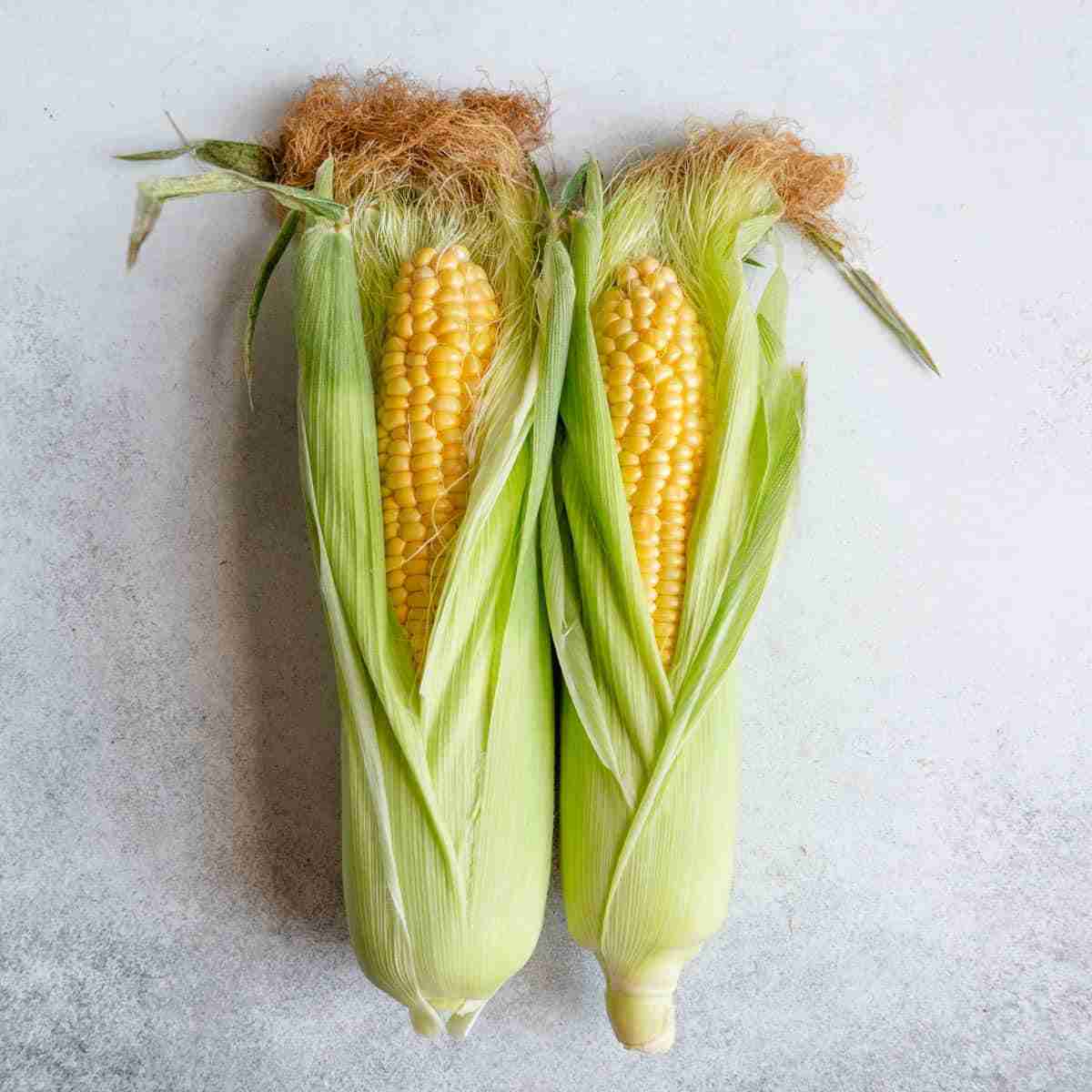
Exploring the Versatile Applications of Corn in Modern Industry
Corn, often celebrated for its culinary versatility, extends its influence far beyond the dinner plate, infiltrating numerous sectors of modern industry. The grain is a cornerstone in the production of a variety of products, from biofuels to biodegradable plastics. Its starch content serves as a key ingredient in the manufacture of corn syrup, which is extensively used in food and beverage production. Additionally, the renewable biofuels derived from corn are reshaping the energy landscape, presenting a sustainable alternative to fossil fuels. As industries pivot towards more eco-friendly practices, the utilization of corn as a feedstock for bioethanol and other fuels is becoming increasingly relevant.
The ingenuity surrounding corn processing has also paved the way for innovative materials and substances. Its derivatives are embedded in everyday products, such as:
- Textiles: Corn-based fibers are emerging as sustainable alternatives in the fashion and upholstery industries.
- Pharmaceuticals: Corn-derived components serve as excipients and active ingredients in medications.
- Agricultural Products: Corn plays a vital role in developing biodegradable pesticides and fertilizers.
- Cosmetics: Many formulations leverage corn oil or cornstarch for their emollient and thickening properties.
To illustrate the wide-ranging impact of corn in industry, the table below summarizes some of its key applications:
| Application | Product | Industry |
|---|---|---|
| Biofuels | Bioethanol | Energy |
| Food Additives | Corn Syrup | Food & Beverage |
| Textiles | PLA Fibers | Fashion |
| Pharmaceuticals | Excipients | Healthcare |
Harnessing Innovative Technologies for Enhanced Corn Processing
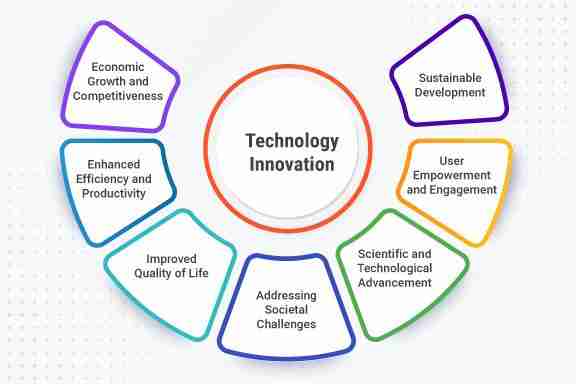
As the world continues to embrace technological advancements, the corn processing industry stands at the forefront of transformation. Innovative techniques such as precision farming, biotechnology, and automated processing systems have emerged, revolutionizing how corn is cultivated, harvested, and processed. These advancements not only enhance efficiency but also improve the quality of the product. For instance, utilizing drones and remote sensors allows farmers to monitor crop health in real-time, ensuring that inputs like water and fertilizers are used optimally. Additionally, the integration of AI-driven analytics provides deep insights into market trends, enabling producers to make informed decisions that guide their production strategies.
The shift toward sustainable practices is also notable as processing plants increasingly adopt green technologies. By implementing renewable energy sources such as solar and wind, these facilities can significantly reduce their carbon footprint. Furthermore, converting corn waste into biofuels or bioproducts fosters a circular economy, making it not only an environmental imperative but also an avenue for diverse revenue streams. The following table highlights some of these innovative processing techniques and their benefits:
| Technique | Benefits |
|---|---|
| Precision Farming | Improves resource management and increases yield. |
| Biotechnology | Enhances crop resistance and nutritional value. |
| Automated Processing | Reduces labor costs and increases processing speed. |
| Green Technologies | Minimizes environmental impact and energy costs. |

Sustainable Practices in Corn Processing: Reducing Waste and Emissions
In the realm of corn processing, innovative strides are being made to ensure that the journey from field to final product is not just efficient but also environmentally friendly. By adopting sustainable practices, processors are able to minimize waste and lower emissions at every stage of production. Techniques such as circular economy principles enable the reuse of by-products in various sectors, transforming what was once considered waste into valuable resources. For instance, instead of discarding corn husks and cobs, these materials can be repurposed as animal feed, compost, or even bioenergy, significantly reducing landfill impact.
Moreover, integrating renewable energy sources into processing facilities is another key approach for sustainability. Solar, wind, and biomass power can drastically cut down greenhouse gas emissions while lowering operational costs. Furthermore, advancements in processing technology allow for more precise use of water and energy, streamlining operations to decrease their carbon footprint. The following table highlights some of these practices and their benefits:
| Practice | Benefit |
|---|---|
| By-product Utilization | Reduces waste and generates new revenue streams |
| Renewable Energy Integration | Decreases reliance on fossil fuels and lowers emissions |
| Water Efficiency Technologies | Minimizes water usage and preserves vital resources |
| Carbon Offsetting Initiatives | Helps neutralize emissions through sustainable projects |

Future Trends in Corn Utilization: Opportunities for Growth and Development
In the ever-evolving landscape of agricultural practices, corn utilization is poised for groundbreaking transformation. Innovative processes are being developed to utilize corn not just as a food staple but as a crucial component in various industries. Bioplastics, derived from corn starch, are gaining traction as sustainable alternatives for single-use plastics, significantly reducing our carbon footprint. Furthermore, advancements in fermentation technology allow for the conversion of corn into biofuels, propelling renewable energy initiatives forward. These shifts open vast avenues for economic growth, positioning corn as a pivotal player in eco-friendly manufacturing and energy production.
The application of corn transcends traditional food markets, leading to a diversified approach in its utilization. Advanced food technologies are creating enriched corn-based products that cater to consumer demands for health and wellness. Products like fortified corn flour and plant-based protein powders not only provide nutritional benefits but also align with contemporary dietary preferences. Moreover, the rise of vertical farming techniques enables efficient corn cultivation in urban settings, thereby reducing transportation emissions and ensuring fresh supply. As these trends continue to evolve, it’s clear that corn is not merely a crop, but a gateway to innovative solutions for modern challenges.
Concluding Remarks
As we conclude our exploration of corn processing, it becomes clear that this vibrant grain is more than just a staple in our diets; it is a catalyst for innovation that intertwines with numerous industries. From food production to biofuels and biodegradable materials, the transformation of nature’s bounty into useful products exemplifies human ingenuity and adaptability.
The journey of corn from field to final product is a testament to our ability to harness natural resources in sustainable and creative ways. As we continue to refine these processes and adopt new technologies, the possibilities for corn—and indeed, all agricultural endeavors—are boundless.
In the coming years, it will be essential to maintain a balance between progress and environmental stewardship, ensuring that we not only celebrate the advancements made but also respect and preserve the ecosystems that provide them. As we look to the future, let us embrace the spirit of innovation and remember that within every kernel of corn lies the potential for a more sustainable world. The story of corn processing is just beginning, and the next chapter promises to be even more remarkable.



