
Title: Transforming Fields: The Art and Science of Corn Processing
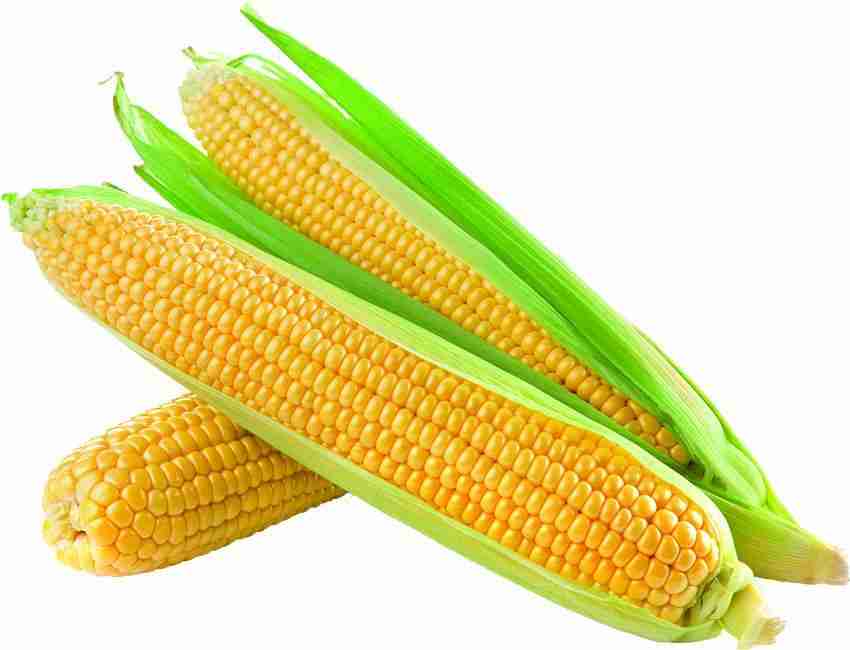
In the golden expanse of sun-soaked fields, where rows of corn sway gently in the breeze, lies a fascinating journey that begins with a single seed and culminates in a multitude of products that enrich our daily lives. Corn, one of the world’s most versatile and widely cultivated crops, serves as a cornerstone of agriculture, but its true magic unfolds through the transformative processes it undergoes after harvest. From being a staple in our diets to functioning as a key ingredient in the manufacturing of biofuels, pharmaceuticals, and biodegradable plastics, the narrative of corn processing is a splendid amalgamation of tradition and innovation.
In this article, we delve deep into the intricate world of corn processing, exploring not only the technological advancements and scientific principles that drive efficiency and sustainability, but also the artistic craftsmanship that elevates the humble grain into a form fit for diverse culinary and industrial applications. Join us as we uncover the methods and philosophies behind this remarkable transformation, illuminating the vital roles that both art and science play in redefining how we interact with one of nature’s most abundant gifts.
Exploring the Journey from Field to Table
From the verdant fields swaying in the breeze to the vibrant markets brimming with freshness, the journey of corn reflects a remarkable transformation shaped by both art and science. Farm to table is not merely a phrase; it encapsulates a process that begins with dedicated farmers planting corn seeds in carefully prepared soil. These seeds thrive under the warmth of the sun and nourishment from rich nutrients, ultimately resulting in a bountiful harvest. Each step—planting, growing, and harvesting—requires precision, knowledge, and respect for nature’s rhythms, ensuring the corn achieves its full potential before it embarks on its next phase.
Once harvested, the corn’s journey continues through a sophisticated network of processing facilities designed to enhance its value and usability. Here, the kernels undergo various transformations, including:
- Cleaning: Removing impurities and foreign materials to ensure quality.
- Milling: Grinding the corn into flour or meal for diverse culinary uses.
- Wet processing: Breaking down kernels to extract valuable components like starch and oil.
- Packaging: Preparing the product for distribution while maintaining freshness.
The processing stages not only enhance the corn’s flavors and textures but also create a wide array of products that grace our tables, from tortilla chips to corn syrup. In turn, consumers benefit from accessible, versatile ingredients that inspire creativity in kitchens worldwide, sparking a culinary journey that starts long before any dish is served.
Innovative Techniques in Corn Harvesting and Processing
As agricultural technology evolves, farmers are embracing innovative tools and methods that enhance both the efficiency of corn harvesting and processing. Automation has taken center stage with the advent of advanced machinery such as self-driving combines and robotic harvesters, reducing labor costs and ensuring timely harvests, even in challenging weather conditions. Furthermore, the integration of drones for field scouting allows for real-time monitoring of crop health, enabling farmers to make informed decisions about fertilization and irrigation, ultimately leading to higher yields. Additionally, the use of smart sensors in the field helps in gathering crucial data, optimizing resource use, and minimizing waste.
On the processing side, technology is facilitating sustainability through biotechnology and the use of renewable energy sources. For instance, new techniques in grain processing, such as extrusion, create high-quality feeds from corn by using high temperatures and pressures to alter the corn’s structure. This method not only increases the digestibility of livestock feed but also reduces the environmental footprint by optimizing the overall processing cycle. The combination of these innovative practices ensures that from field to fork, corn is managed as a valuable resource, promoting both productivity and sustainability.
| Innovative Technique | Benefit |
|---|---|
| Self-Driving Combines | Increases efficiency and reduces labor needs. |
| Drones for Monitoring | Real-time data on crop health and resource management. |
| Biotechnology | Enhanced crop resilience and sustainability. |
| Extrusion Processing | Better animal feed quality and reduced environmental impact. |
Nutritional Benefits and Culinary Applications of Corn Products
Corn is not just a staple in agriculture; it is a powerhouse of nutrition that brings numerous health benefits. Known for its high content of fiber, corn aids in digestion, helping to maintain a healthy gut. This grain is also rich in essential vitamins and minerals, including vitamin C, thiamin, and folate. Moreover, the presence of antioxidants like lutein and zeaxanthin contributes to eye health and may reduce the risk of age-related macular degeneration. The nutritional profile of corn can be further enhanced depending on the processing methods employed, allowing for a diverse range of corn products that meet various dietary needs.
Culinary applications of corn products are vast and versatile, making them indispensable in kitchens around the world. From tortillas to polenta, and popcorn to cornbread, the uses of corn are limited only by one’s imagination. To illustrate some common corn-based products, consider the following table:
| Product | Main Ingredients | Culinary Use |
|---|---|---|
| Tortilla | Corn masa harina | Wraps, tacos, enchiladas |
| Popcorn | Puffed corn kernels | Snack, movie theater staple |
| Polenta | Cornmeal, water | Side dish, base for sauces |
| Cornbread | Cornmeal, flour | Side dish, breakfast item |
Each of these products showcases a unique way to experience the rich flavors and textures that corn has to offer. From traditional dishes to innovative recipes, corn’s adaptability in cooking enhances its appeal and allows for creativity in meal preparation, making it an enduring favorite across cultures.

Sustainable Practices for a Greener Corn Production Cycle
To cultivate a sustainable corn production cycle, it’s imperative to focus on environmentally friendly practices that enhance soil health and conserve resources. Adopting methods such as crop rotation plays a critical role in maintaining soil fertility, preventing pest buildup, and reducing disease incidence. Additionally, integrated pest management (IPM) strategies can minimize chemical use, relying instead on natural predators and alternative biological controls. Here are some other effective practices:
- Cover cropping to prevent soil erosion and improve nutrient density.
- Utilizing no-till farming techniques to maintain soil structure and biodiversity.
- Implementing precision agriculture technologies to optimize input usage and reduce waste.
Furthermore, the implementation of water conservation techniques is essential for sustainability. Adopting drip irrigation systems can significantly reduce water usage while ensuring that crops receive adequate moisture. It’s also beneficial to monitor and analyze soil moisture levels with smart sensors to enable more efficient water management. Below is a brief overview of the advantages of various sustainable practices:
| Practice | Benefits |
|---|---|
| Crop Rotation | Improves soil health, reduces pests. |
| No-Till Farming | Reduces soil erosion, enhances biodiversity. |
| Precision Agriculture | Optimizes resources, minimizes waste. |
To Conclude
As we conclude our exploration of “Transforming Fields: The Art and Science of Corn Processing,” it becomes evident that this humble grain is much more than a staple in our diets. It embodies a rich tapestry of tradition and innovation, woven together by the hands of farmers, scientists, and artisans alike. From the golden fields under the sun to the intricate machinery in processing plants, each step of the journey transforms corn into an array of products that touch our lives in myriad ways.
We have witnessed how age-old practices intertwine with cutting-edge technology to unlock new possibilities, enhancing not only the efficiency of production but also the sustainability of our ecosystems. The careful balance of art and science in corn processing reflects a broader narrative about our relationship with food—one that demands respect for nature and a commitment to future generations.
In a world increasingly shaped by rapid change, the story of corn processing serves as a reminder of the resilience and creativity that reside at the crossroads of agriculture and industry. As we savor the products derived from this versatile crop, let us appreciate the dedicated efforts that nourish our bodies and fuel our economies. The field may be transformed, but the essence of corn—its ability to adapt and thrive—remains a constant testament to human ingenuity and the enduring bond we share with the land.



