
In the heart of countless kitchens around the world, rice serves as a staple and a symbol of nourishment, culture, and tradition. Yet, the journey from paddy to plate often goes unnoticed – until now. Enter the rice polisher, a humble yet transformative machine that refines these precious grains to achieve culinary perfection. This innovative device not only enhances the texture and appearance of rice but also elevates the flavors that unfold in our favorite dishes. As we peel back the layers of this fascinating tool, we will explore its history, functionality, and impact on rice quality, revealing how the rice polisher serves as a crucial ally in culinary artistry. Join us on this journey to unveil the secrets behind this remarkable equipment and discover how it is redefining the way we appreciate one of the world’s most beloved staples.
Understanding the Science Behind Rice Polishing Techniques
The journey of transforming rough, unpolished rice into the gleaming grains that adorn our plates is both an art and a science. Different polishing techniques not only enhance the aesthetic appeal of the rice but can also influence its flavor and nutritional value. Each method utilizes specific machinery and processes that focus on optimizing both the cleaning and milling stages, resulting in rice that is not only pleasing to the eye but also preserves or enhances its intrinsic qualities. Traditional stone milling, for instance, is praised for its gentle approach, preserving the grain’s nutrients while delivering a subtly rich flavor profile.
Modern advancements in rice polishing technology introduce a variety of innovative methods, including pressure polishing and chemical treatment, which focus on improving the texture and reducing the cooking time of the rice. These techniques often involve the following key elements:
- Humidity Control: A critical factor in achieving a perfect finish.
- Grain Temperature: Maintaining optimal temperatures to avoid damage.
- Contact Time: Balancing exposure to polishing elements to enhance quality.
By understanding these variables, manufacturers can select the best processes that cater to diverse culinary traditions and consumer preferences. The interplay of these techniques results in varied rice types, each exhibiting unique characteristics that cater to different cooking methods and cuisines. Below is a simple comparison of common polishing methods:
| Polishing Method | Benefits | Drawbacks |
|---|---|---|
| Traditional Stone Milling | Retains nutrients; enhances flavor | Time-consuming; labor-intensive |
| Pressure Polishing | Reduces cooking time; improves texture | May lose some nutrients |
| Chemical Treatment | Shiny appearance; less friction | Health concerns over chemicals |

The Benefits of Enhanced Grain Quality for Culinary Delights
When it comes to culinary mastery, the quality of grains—especially rice—can make the difference between a dish that simply satisfies and one that delights the senses. Enhanced grain quality has a profound impact on texture, flavor, and nutritional value. With each polished grain being uniform in size and shape, it ensures even cooking, leading to a predictable and enjoyable eating experience. Benefits such as improved digestibility and reduced cooking times amplify the convenience for home cooks and professional chefs alike, allowing creativity to flourish in the kitchen.
Moreover, the aesthetics of a polished grain can elevate any dish, making it not just a meal, but a presentation worthy of celebration. Ingredients that boast enhanced quality can help create eye-catching tablescapes and elevate traditional recipes. The science behind polishing is rooted in enhancing critical features like nutritional profile and flavor retention, creating a harmonious balance. Here’s a quick overview of the distinctions that enhanced grain quality can deliver:
| Quality Aspect | Impact on Culinary Experience |
|---|---|
| Texture | Smoother and more appealing mouthfeel |
| Flavor | Deeper, more distinct taste profiles |
| Cooking Time | Faster preparation with consistent results |
| Nutritional Value | Better absorption of nutrients, promoting health |
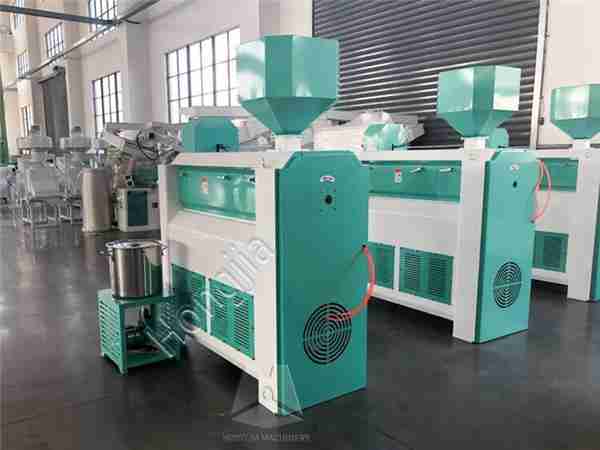
Choosing the Right Rice Polisher for Your Kitchen Needs
When it comes to enhancing the quality of your rice, selecting the right rice polisher is paramount. Different models come equipped with various features designed to cater to specific needs. Here are some essential factors to consider:
- Capacity: Choose a model that suits your cooking habits, whether you’re cooking for a family or meal prepping.
- Polishing Mechanism: Look for options with advanced polishing technologies that minimize grain breakage.
- Ease of Use: A user-friendly interface can save you time and hassle in your daily cooking routine.
- Durability: Stainless steel or high-grade plastic often ensures longevity and a sleek appearance in your kitchen.
In addition to the primary features, it’s wise to compare different rice polishers based on their efficiency and additional functionalities. A well-designed polisher can not only elevate the texture of your rice but also enhance flavor through meticulous polishing:
| Feature | Basic Model | Advanced Model |
|---|---|---|
| Average Polishing Time | 10 minutes | 5 minutes with presets |
| Energy Consumption | 200 W | 150 W with efficiency mode |
| Noise Level | Moderate | Low noise operation |
Finding the right rice polisher ultimately comes down to understanding your unique culinary preferences and how often you pray homage to the delightful grains. With the right choice, you can transform your cooking experience, bringing out the best in each rice dish you create.
Maintenance Tips for Long-lasting Rice Polishing Efficiency
To ensure your rice polisher operates at peak performance, regular maintenance is key. Start by cleaning the machine daily, which not only prevents build-up but also enhances the quality of the polished grain. Use a soft brush to remove any residual rice dust and particles. Pay special attention to the ventilation areas, as clogged vents can impact motor performance. Additionally, inspect the polishing chamber and inner components weekly, ensuring they are free from any debris that could hinder efficiency.
Next, conduct a thorough check of all mechanical parts on a monthly basis. Look for signs of wear, and don’t hesitate to replace worn-out parts to avoid compromising the polishing process. Regular lubrication of moving parts reduces friction and prolongs the lifespan of the polisher. Consider keeping a maintenance log to track all inspections and replacements. Here’s a quick summary of essential maintenance tasks:
| Maintenance Task | Frequency |
|---|---|
| Clean the polishing chamber | Daily |
| Inspect ventilation areas | Weekly |
| Check mechanical parts | Monthly |
| Lubricate moving parts | Monthly |
In Summary
As we draw the curtain on our exploration of the rice polisher, it’s clear that this unassuming machine plays a pivotal role in the quest for grain perfection. From the ancient paddies where rice is cultivated to the modern kitchens where it graces our tables, the rice polisher bridges tradition and innovation, transforming raw grains into culinary masterpieces.
In a world that increasingly values quality and sustainability, the meticulous polishing process not only enhances the aesthetic appeal of rice but also contributes to its nutritional profile, making it more than just a staple food—it’s a cornerstone of global cuisine. As we continue to embrace the artistry behind food preparation, the rice polisher stands as a testament to our enduring relationship with the grains that nourish us.
So, whether you’re a seasoned chef or a home cook looking to elevate your dishes, understanding the intricacies of rice polishing can unlock new dimensions of flavor and texture in your meals. The journey to elevating grain perfection doesn’t end here; it’s just the beginning. The next time you savor a bowl of perfectly polished rice, remember the craftsmanship that made it possible, and let it inspire your culinary adventures.



