
Unlocking the Secrets of Corn Processing: From Cob to Creation
Corn, a vibrant staple at the heart of countless cultures and cuisines, holds a treasure trove of potential that often goes unnoticed beyond its golden kernels. From the swaying fields of dense stalks to the bustling processing plants, the journey of corn is not just a tale of agricultural bounty; it is a fascinating odyssey of transformation and innovation. In this article, we delve deep into the intricate world of corn processing, exploring the methods that elevate this humble grain from its cob form to a multitude of creations that grace our tables and fuel our industries. Whether it transforms into a sweet nibble, a hearty meal, or even biofuel, the story of corn processing reveals the science, art, and culinary ingenuity that unlocks its many secrets. Join us as we unravel the layers of this versatile crop, examining the processes that shape its path from field to fork and beyond.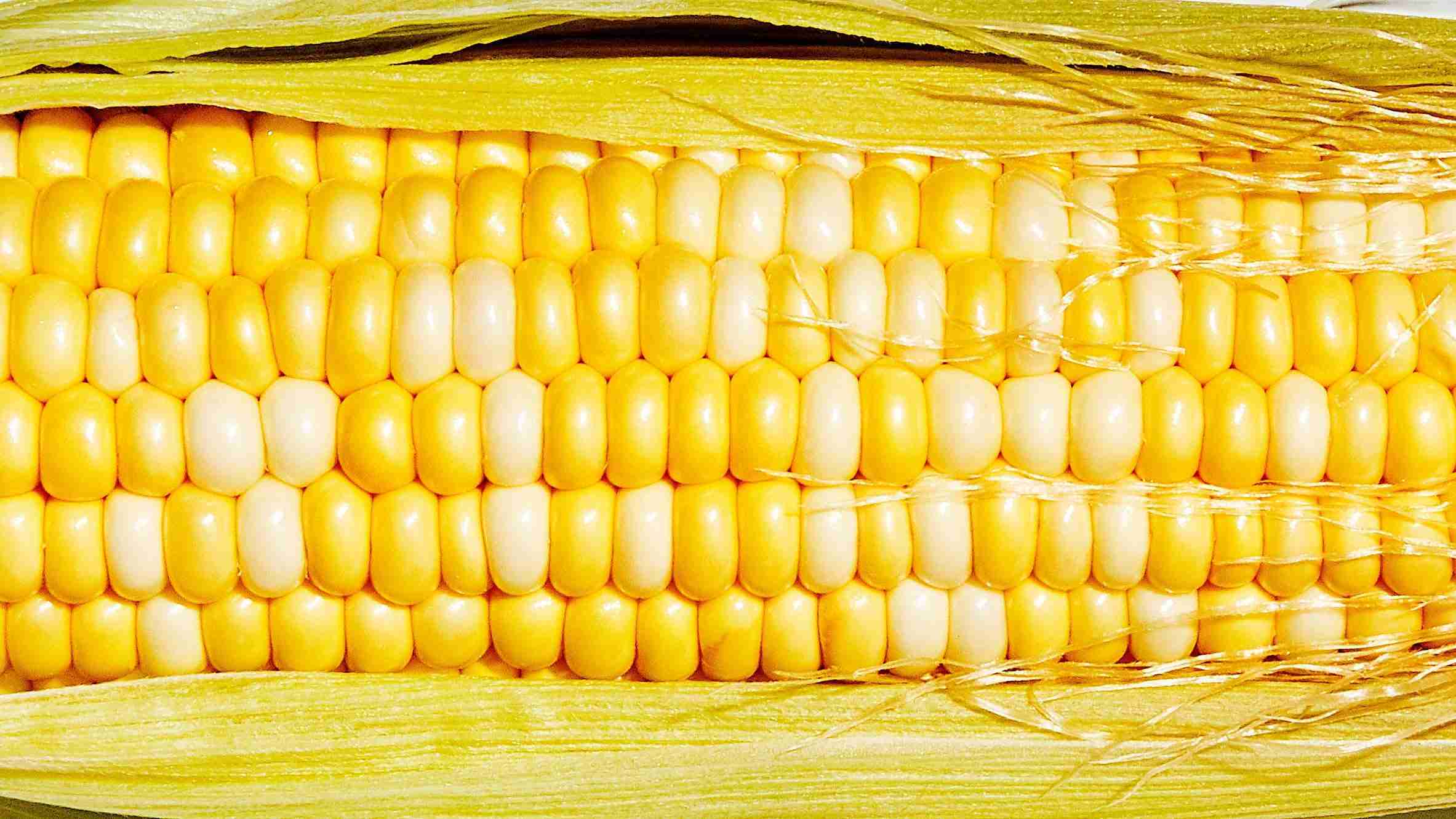
Exploring the Journey of Corn: From Harvest to Processing
As we delve into the intricate journey of corn, it becomes evident that this vibrant grain undergoes a fascinating transformation from the moment it is harvested. Farmers meticulously gather the golden cobs, ensuring each kernel is ripe for the taking. Once collected, the cobs embark on their next chapter, where they will be taken to local processing facilities. Here, careful attention is paid to the removal of husk and silk, as well as the grading for quality. Each step of the way, the corn’s attributes are evaluated—size, color, and moisture content all play critical roles in determining its fate.
After the initial processing, the corn enters a stage where its versatility shines. It can be transformed into a variety of products that cater to both human consumption and industrial use. Among the possibilities are:
- Meal and Grits: Ground corn products that serve as staples in various cuisines.
- Syrup and Sweeteners: Extracted from kernels, giving a sweet touch to many foods.
- Biofuels: Corn can also be converted into ethanol, a renewable energy source.
To provide a clearer picture of these diverse applications, consider the table below:
| Product | Uses | Food or Industrial |
|---|---|---|
| Cornmeal | Baking, Coatings | Food |
| Corn Starch | Thickening Agent | Food & Industrial |
| Ethanol | Fuel, Solvent | Industrial |
This multi-faceted grain not only nourishes but also plays a pivotal role in sustainable practices, illustrating its profound impact on our daily lives and the economy.
Understanding the Nutritional Benefits of Processed Corn Products
Processed corn products are often misconstrued as mere convenience foods, but they are, in fact, packed with nutritional benefits that can contribute significantly to a balanced diet. These products, ranging from cornmeal and popcorn to corn syrup and tortillas, are rich in essential nutrients. They offer a variety of important vitamins and minerals, including B vitamins, particularly thiamin and folate, which are crucial for energy metabolism and red blood cell production. Moreover, corn is a good source of dietary fiber, promoting digestive health and aiding in maintaining a healthy weight.
In addition to their nutrient profile, many processed corn products are fortified with additional nutrients that enhance their health benefits. For instance, corn tortillas can be enriched with calcium and iron, making them a valuable component of meals. It’s also worth noting that processed corn can be a great source of plant-based protein, essential for muscle repair and overall body function. Here’s a quick overview of some common processed corn products and their key benefits:
| Processed Corn Product | Nutritional Benefit |
|---|---|
| Cornmeal | Rich in fiber and gluten-free, ideal for various recipes. |
| Popcorn | Whole grain snack high in antioxidants, low in calories. |
| Corn Syrup | Provides energy; used in moderation may serve as a sweetener. |
| Corn Tortillas | Fortified with calcium and iron, versatile in many dishes. |

Innovative Techniques in Corn Processing: Best Practices for Quality
In the dynamic world of corn processing, innovation is the key to unlocking superior quality and efficiency. Advanced techniques, such as enzymatic processing, have gained recognition for breaking down complex carbohydrates into simpler sugars, enhancing both flavor and digestibility. Moreover, the integration of microwave drying not only reduces moisture content more effectively and quickly but also retains vital nutrients and flavors, ensuring that the final product stands out. The utilization of safe and sustainable methods in the processing chain—from field to factory—plays a significant role in elevating the standard of finished products while minimizing environmental impact.
To streamline operations and optimize quality, industry experts are increasingly adopting automation technology in the corn processing workflow. This includes using precision machinery for sorting and milling, which ensures a uniform product that meets strict quality control standards. Investing in real-time monitoring systems facilitates constant evaluation of critical processing parameters, further enhancing product consistency and safety. Best practices also emphasize the importance of employee training, ensuring the workforce is equipped with knowledge and skills to utilize these advanced tools effectively. Through a blend of tradition and cutting-edge innovation, the path from cob to creation emerges more promising than ever.

Sustainable Corn Processing: Strategies for Environmental Responsibility
As we delve into the journey of corn from its cob to various innovative products, it becomes crucial to embrace practices that minimize environmental impact. One effective strategy is implementing precision agriculture techniques, which utilize technology to monitor crop health and optimize resource use. This approach not only reduces excess input usage like water and fertilizers but also enhances the overall productivity and resilience of corn crops. Additionally, investing in biotechnological advancements can lead to the development of corn varieties that require fewer inputs and are more resistant to pests and diseases, ensuring a sustainable yield.
Furthermore, integrating recycling and upcycling practices within the processing sector can significantly cut down on waste and carbon emissions. By reusing husks and cobs for biogas production or as biodegradable packaging materials, businesses can create a circular economy model around corn processing. Establishing partnerships with local communities to source raw materials and utilize by-products can also foster a sense of social responsibility and contribute to regional development. Here are some sustainable methods to consider:
- Water Conservation: Utilize drip irrigation systems to minimize water wastage.
- Soil Health Management: Employ crop rotation and cover cropping to enhance soil fertility.
- Energy Efficiency: Adopt renewable energy sources, such as solar and wind, in processing facilities.
- Waste Reduction: Implement composting techniques for organic by-products instead of sending them to landfills.
Future Outlook
As we journey through the vibrant world of corn processing, we uncover not just a commodity but a cornerstone of culinary and industrial innovation. From the humble cob to the myriad creations it inspires, corn is a testament to nature’s bounty and human ingenuity. Each processing method, whether it be milling, fermenting, or extruding, reveals a unique story and countless possibilities, transforming this versatile grain into everything from snack foods to biofuels.
In unlocking these secrets, we gain a deeper appreciation for the intricate processes that elevate corn from field to fork and beyond. As we tread forward, the possibilities for corn are as expansive as the fields it grows in. With each advance in processing technology, we edge closer to unlocking even more potential, inviting us all to embrace the creativity inherent in this age-old staple.
So, whether you find joy in a simple bowl of popcorn or you’re seeking to understand the intricate supply chain that fuels global markets, remember: the journey of corn is an ever-evolving narrative, rich with exploration and opportunity. Let’s continue to celebrate and innovate, ensuring that the legacy of corn processing thrives for generations to come.



