
From Field to Flour: The Intricacies of Corn Processing
In the heart of the American Midwest, a golden wave ripples across vast farmlands, whispering tales of tradition and sustenance. Corn, a staple woven into the fabric of countless cultures, transforms in the hands of farmers and artisans alike. Yet, few stop to ponder the journey this humble grain undertakes—from the lush fields where it grows, to the silos that cradle its harvest, and ultimately into the mills where it is transformed into flour. Each step of this intricate process reveals not only the complexities of corn processing but also the meticulous care and innovation involved in bringing this versatile ingredient to our tables. Join us as we unpack the fascinating journey of corn, exploring the techniques, technologies, and traditions that define its transformation from field to flour.
Understanding the Journey of Corn from Agriculture to Production
The journey of corn from sprawling fields to the bustling processing plants involves intricate steps that highlight its versatility and importance. Once harvested, corn undergoes several key transformations, beginning with cleaning to remove impurities such as dirt and debris. Following this, the corn kernels are often dried to achieve optimal moisture content, which is critical for both storage and further processing. At this stage, the kernels can also be graded based on size and quality, ensuring that only the best are selected for production purposes. This meticulous attention to detail guarantees that the end product remains consistent in flavor and texture, allowing for its use in everything from animal feed to human consumption.
Once cleaned and dried, the corn is subjected to milling, a process that breaks the kernels down into various forms such as cornmeal and corn flour. This milling process can be further refined into different product lines, catering to diverse culinary needs. Among the various derivatives, gluten-free options have gained considerable popularity, allowing those with dietary restrictions to enjoy the benefits of corn without the risk of gluten exposure. The processed corn then embarks on another journey, finding its way into a multitude of products, including snacks, cereals, and even sweeteners, underscoring the grain’s significant role in both local economies and global markets.
| Stage | Action | Purpose |
|---|---|---|
| Harvesting | Gathering corn kernels | To initiate the processing cycle |
| Cleaning | Removing impurities | To enhance quality |
| Drying | Reducing moisture content | To ensure proper storage |
| Milling | Grinding kernels into flour | To produce various corn-based products |

The Science Behind Milling: Transforming Kernels into Flour
The journey from corn kernel to flour is a fascinating process that involves a delicate balance of science and technique. Initially, the kernels are cleaned to remove impurities such as dust, stones, and other foreign materials. This step is critical because any contamination can adversely affect the quality of the final flour product. Following cleaning, the kernels undergo a conditioning process where moisture levels are adjusted. This is essential, as the right level of moisture ensures optimal milling efficiency, helping to ward off breakage and facilitating a smoother grinding process.
Once conditioned, the kernels are subjected to several stages of grinding, where they are first broken apart in a series of roller mills. This method allows the separation of the endosperm, germ, and bran components. The endosperm, rich in starch and protein, is the primary ingredient used for flour production. The milling process can be summarized in a few key stages:
- Breaking: Kernels are cracked to release the endosperm.
- Sifting: Separation of coarse and fine particles.
- Reduction: Further grinding of the endosperm into flour.
- Bleaching: Optional step to lighten the flour’s color.
| Component | Percentage |
|---|---|
| Endosperm | 82% |
| Bran | 14% |
| Germ | 4% |
This intricate milling technique not only transforms the kernel into a fine powder, but it also preserves the essential nutrition found in corn. Understanding this process helps consumers appreciate the complexity and effort involved in producing flour, making them more mindful of their food choices.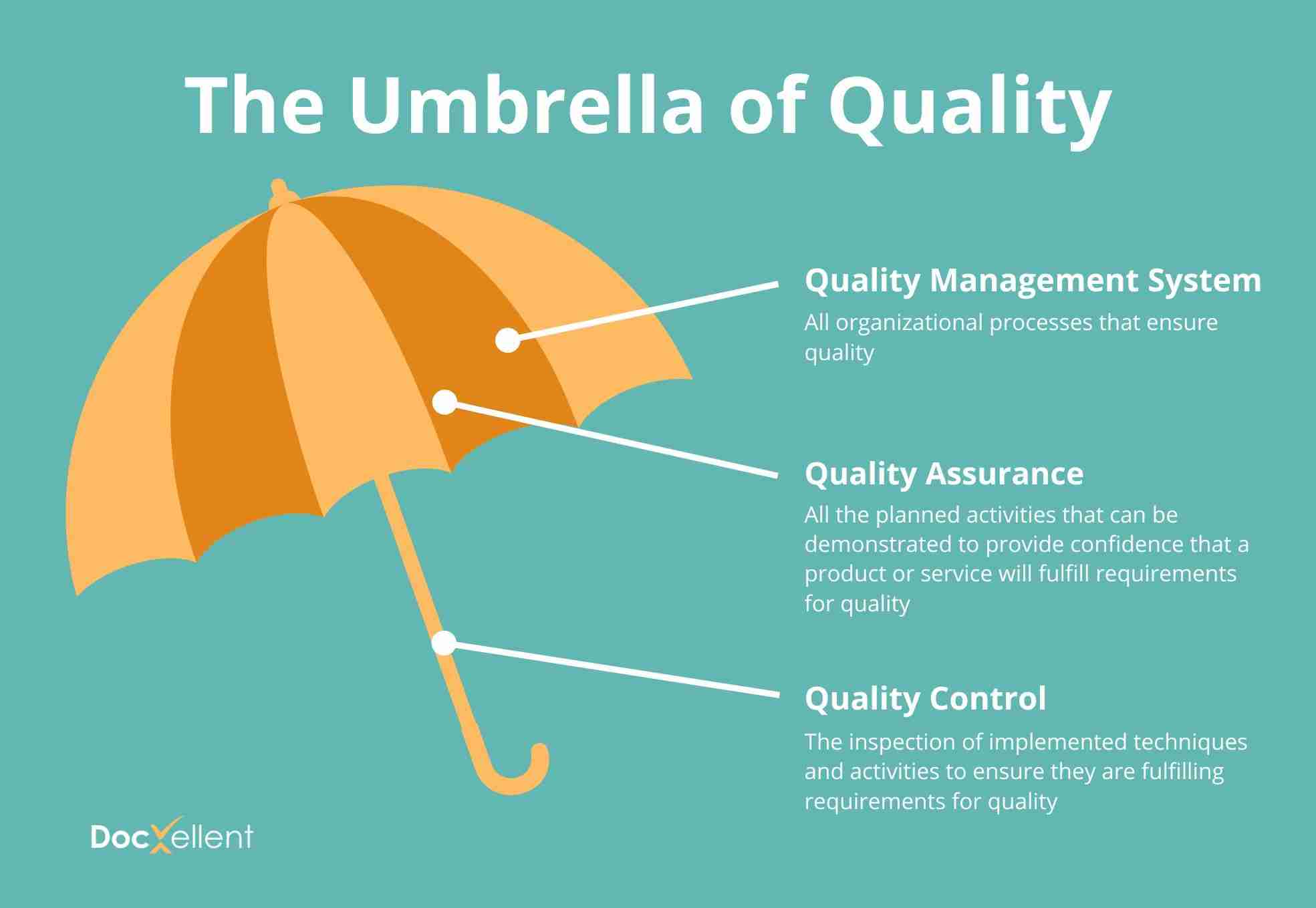
Quality Control in Corn Processing: Ensuring Consistency and Safety
Quality control is paramount in the corn processing industry, ensuring that every grain meets the highest standards from the moment it leaves the field until it is transformed into flour. This multi-faceted process encompasses a series of rigorous checks designed to maintain consistency and safety throughout production. At every stage, from grading and cleaning to milling and packaging, specific criteria are established to assess each batch of corn. These criteria typically include:
- Moisture Content: An optimal range is essential to prevent spoilage and ensure quality.
- Foreign Material Inspection: Thorough checks are conducted to eliminate any unwanted substances or contaminants.
- Kernel Hardness Tests: The hardness determines milling efficiency and the final texture of the flour.
- Microbial Analysis: Testing for pathogens guarantees that products are safe for consumption.
In addition to these immediate checks, many facilities also employ advanced technologies to monitor processes in real-time. Data analytics and automation can significantly enhance the ability to predict and maintain quality, even as variables change. Regular quality audits become critical to uphold these standards. Below is a simple overview of different types of quality assessments typically performed:
| Assessment Type | Description |
|---|---|
| Physical Testing | Evaluation of corn shape, size, and color. |
| Chemical Testing | Analysis of nutritional content and additives. |
| Microbiological Testing | Screening for harmful bacteria or fungi. |
By implementing stringent quality control measures at every stage, the corn processing industry can uphold a reputation for reliability and safety while delivering a consistently excellent product to consumers. With an ever-growing demand for high-quality corn flour, the focus on these practices has never been more critical.
Innovative Techniques in Sustainable Corn Processing Methods
The evolution of corn processing has seen a remarkable shift towards sustainability, driven by innovative techniques that minimize environmental impact while enhancing efficiency. Among the most notable advancements are technologies that utilize bioconversion processes. These methods leverage microorganisms to convert corn starch into fermentable sugars, which can then be transformed into biofuels or biodegradable plastics. This approach not only reduces waste but also opens pathways for the circular economy, whereby byproducts of corn processing are reintroduced into the production cycle, further conserving resources.
Additionally, precision agriculture has emerged as a vital tool in sustainable corn processing. By integrating data analysis and state-of-the-art machinery, farmers can optimize yield while minimizing inputs such as water and fertilizers. This method ensures that every kernel harvested contributes effectively to the supply chain. Key techniques include:
- Soil Health Monitoring: Utilizing sensors and drones to assess soil conditions and make informed decisions about crop management.
- Crop Rotation and Diversification: Implementing strategic planting to enhance soil nutrients and reduce disease.
- Water Conservation: Employing drip irrigation systems to maximize water efficiency.
Furthermore, an emphasis on waste valorization in corn processing is gaining momentum. This involves turning agricultural waste into valuable products through processes like anaerobic digestion, which generates biogas for energy while reducing methane emissions. Below is a concise table showcasing some of these transformative methods:
| Technique | Benefits |
|---|---|
| Bioconversion | Reduces waste; creates biofuels and bioplastics |
| Precision Agriculture | Optimizes resource use; improves yield |
| Waste Valorization | Generates energy; minimizes emissions |
In Summary
As we conclude our exploration of the journey from field to flour, it becomes clear that the process of corn processing is a nuanced dance between nature and technology, tradition and innovation. Each kernel, nurtured by sunlight and soil, carries with it a story that unfolds through careful harvesting, meticulous milling, and transformative applications. From the golden fields swaying in the wind to the final product that graces our kitchens, we’ve witnessed the artistry involved in bringing this staple grain to life.
In understanding the intricacies of corn processing, we gain a deeper appreciation for the culinary possibilities and nutritional benefits it offers. This journey not only highlights the vital role of agriculture in our daily lives but also underscores the importance of sustainable practices that honor the environment and the communities that cultivate these crops.
As we savor the diverse forms of corn flour—be it for rustic polentas, delicate tortillas, or hearty cornbreads—we are reminded that food is not merely sustenance; it is a bridge connecting us to our past, our culture, and one another. The next time you enjoy a dish made from corn flour, take a moment to reflect on the journey it undertook to reach your table and the intricate processes that make it possible. In every bite lies the cycle of growth, harvest, and transformation, enriching our lives in ways we may often overlook.



