
In a world where culinary excellence meets the art of tradition, the humble rice polisher stands as a testament to both innovation and heritage. Often overlooked in bustling kitchens and high-tech food production lines, this essential tool quietly plays a pivotal role in unlocking the brilliance of one of humanity’s most fundamental staples: rice. As we delve into the intricate process of rice polishing, we uncover not just its mechanical nuances, but also its profound impact on flavor, texture, and nutrition. Join us on a journey to explore how each grain is transformed through this meticulous process, and discover why rice polishers are indispensable to elevating global cuisine and preserving the age-old practices that shape our food systems. Whether in a family kitchen or a large-scale mill, the story of rice polishers is one of honor, craftsmanship, and the relentless pursuit of perfection in every bowl.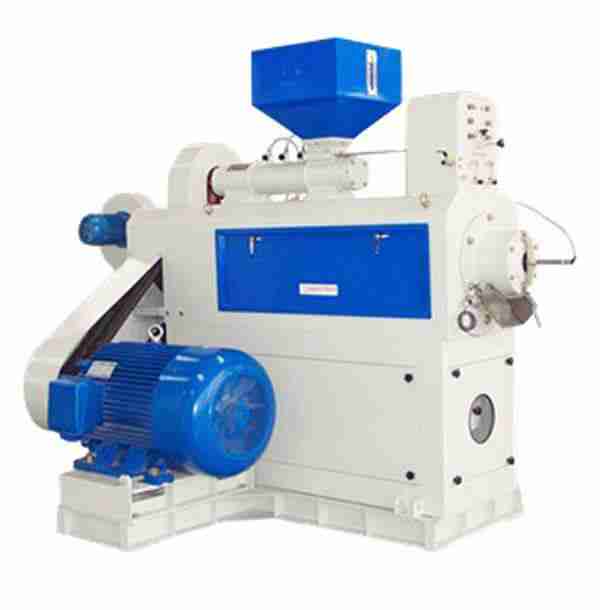
Exploring the Evolution of Rice Polishers in Culinary Traditions
The journey of rice polishers traces a fascinating arc through the interplay of technology and tradition in culinary practices. From rudimentary devices made of wood to the sleek, electric models of today, rice polishers have evolved significantly to meet the varying demands of kitchens worldwide. In many Asian cultures, where rice serves as a staple food, the polishing process is essential not just for aesthetics but also for enhancing flavor and texture. Traditionally hand-operated, the earliest polishers highlighted the artisan’s skill, requiring precision and patience. Over time, innovations in design have introduced features that cater to efficiency, showcasing the marriage of science and culinary art.
Today’s rice polishers offer a variety of functionalities, bridging the gap between convenience and quality. The characteristics of modern polishers often include:
- Intuitive Controls: Allowing for a customizable polishing process.
- Energy Efficiency: Reducing environmental impact while enhancing performance.
- Multi-Functionality: Capable of processing different grains beyond rice.
As culinary traditions continue to adapt, the evolution of rice polishers stands as a testament to the enduring nature of cooking practices around the globe. Below is a simple comparison of traditional and modern rice polishing methods:
| Aspect | Traditional Method | Modern Method |
|---|---|---|
| Tool Type | Hand-Cranked Wooden Mortar | Electric Polisher |
| Time Efficiency | Labor Intensive | Fast Processing |
| Customization | Limited Control | Adjustable Settings |

Understanding the Science Behind Rice Polishing Techniques
The art and science of rice polishing have evolved over centuries, combining traditional practices with modern technology to enhance the quality and appeal of rice. At its core, rice polishing is the process of removing the outer layers of grains, which not only improves texture but also impacts nutritional value. The effectiveness of these techniques relies heavily on the mechanism of the rice polisher, which adjusts parameters such as pressure, speed, and friction to achieve the desired finish without compromising grain integrity. Delicate balancing of these factors is crucial, as overly aggressive polishing can lead to broken grains and loss of nutrients. Consider the benefits of proper rice polishing:
- Enhanced Flavor: Polished rice often has a milder, more refined taste.
- Visual Appeal: A shiny surface can make rice more visually enticing.
- Improved Storage: Less bran reduces rancidity risks, extending shelf life.
Researchers have explored various polishing methods, each with its unique approach to grain enhancement. For instance, traditional hand polishing still stands as an important cultural practice in several regions, while technological advancements introduce automated precision polishing. Understanding these techniques involves not just examining the outer appearance, but also delving into the layers of the rice itself. Key factors include: moisture content, temperature control, and abrasion techniques, which work in synergy to yield the finest grains possible.
| Polishing Method | Key Feature | Advantages |
|---|---|---|
| Hand Polishing | Traditional technique | Preserves flavor and heritage |
| Mechanical Polishing | Automated and efficient | Consistency and speed in production |
| Wet Polishing | Uses water for a gentler process | Minimizes broken grains and maintains moisture |

Maximizing Nutritional Benefits: Choosing the Right Rice Polisher
When it comes to enhancing the nutritional profile of rice, the choice of polisher can make all the difference. Different types of rice polishers come with varying features that can influence the amount of bran and germ retained during the milling process. Selecting the right rice polisher ensures that you maximize the essential nutrients, antioxidants, and fiber that rice can offer. Consider the following factors when making your choice:
- Type of Polisher: Choose between traditional stone polishers, which are gentler on the grains, and modern high-speed polishers, which may remove more bran but offer efficiency.
- Adjustable Settings: Look for polishers with customizable settings that allow you to control the degree of polishing based on the desired end product.
- Durability and Maintenance: Invest in a model that is easy to clean and maintain to ensure longevity and consistent performance.
To help you visualize the nutritional impact of different types of rice polishers, here’s a simple comparison table:
| Type of Polisher | Bran Retention | Nutritional Value |
|---|---|---|
| Traditional Stone | High | Rich in Vitamins |
| Modern High-speed | Medium | Good, but Less Fiber |
| Hybrid Models | Variable | Balanced Profile |
By understanding these factors and making informed choices, you can effectively preserve the nutritional integrity of rice, resulting in meals that not only taste great but also contribute to a healthier diet. Take the time to explore your options to ensure each grain of rice you serve optimally benefits your health as well as your taste buds.
Essential Maintenance Tips for Longevity and Performance
To ensure that your rice polisher operates efficiently over time, regular maintenance is crucial. Start by regularly inspecting the grain hopper for any blockages or residue that could impede the flow of rice. Clean it out carefully to maintain smooth operation. Additionally, check the motor and electrical connections; loose wiring or dust accumulation can lead to malfunctions. A simple dusting or tightening screws can significantly extend the life of your appliance.
Another vital aspect of maintenance is to routinely monitor the polishing rollers. These components are pivotal in achieving that desired sheen and removing impurities from the rice. Consider a maintenance schedule that includes:
- Weekly: Inspect and clean the polishing rollers.
- Monthly: Check and tighten any loose components.
- Quarterly: Lubricate moving parts to ensure fluid operation.
For a quick reference on essential maintenance tasks, the table below outlines frequency and recommended actions:
| Frequency | Maintenance Task |
|---|---|
| Weekly | Inspect grain hopper and clean polishing rollers |
| Monthly | Tighten screws and check electrical connections |
| Quarterly | Lubricate moving parts and replace worn components |
To Wrap It Up
In the intricate tapestry of food production and culinary artistry, rice polishers emerge as unsung heroes, vital to the journey of rice from field to table. Their role transcends mere processing; they are the guardians of flavor, texture, and nutrition, ensuring that each grain meets the highest standards of quality. As we unlock the brilliance hidden within these humble grains, we celebrate the craftsmanship and technology that elevate our dining experiences.
Understanding the essential role of rice polishers invites us to appreciate not only the grains we consume but also the intricate processes that shape our food landscape. As the conversation about sustainability, nutrition, and culinary excellence continues to evolve, so too must our recognition of the pivotal players behind the scenes. Embracing this knowledge empowers us as consumers and advocates for a food system that honors both tradition and innovation.
In this journey, let us continue to explore, unravel, and savor the layers of excellence that echo with every bite of polished rice, acknowledging the brilliance that lies in both the process and the product.



