
From Kernel to Flour: The Art and Science of Maize Milling
In the heart of countless kitchens and on the shelves of vibrant markets, maize stands as a stalwart staple, cherished by cultures worldwide. The journey of this humble grain, however, involves a meticulous transformation that is both an art and a science. As the golden kernels are carefully milled into fine flour, they undergo a fascinating metamorphosis that marries tradition with innovation. In this exploration of maize milling, we delve into the intricate processes that convert raw maize into a versatile ingredient, uncovering the techniques and technologies that have evolved alongside human culinary practices. Join us as we navigate through the history, mechanics, and sensory delights of maize flour, revealing not just how it is made, but the rich stories woven into every grain.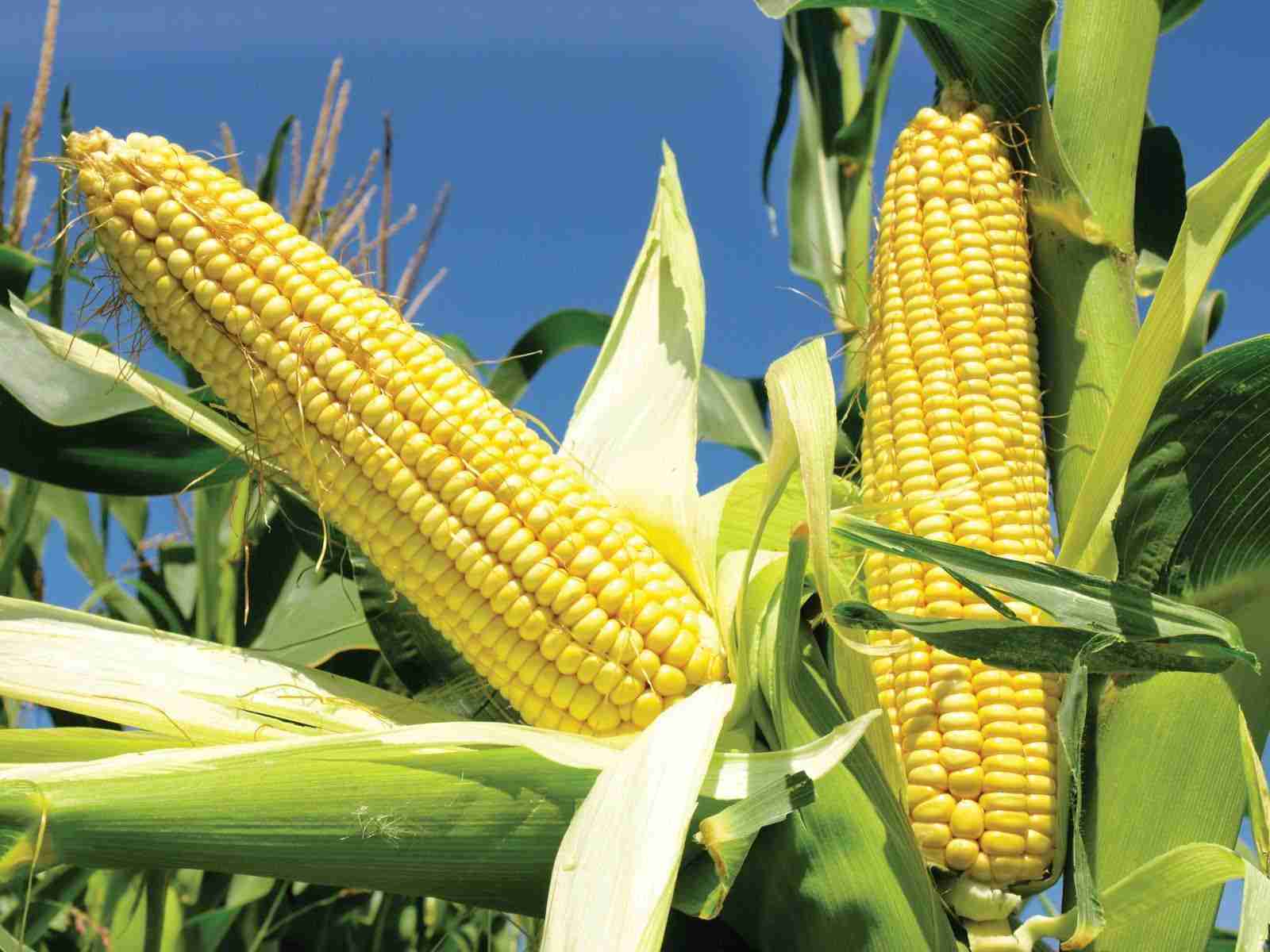
Understanding Maize: The Varieties and Their Milling Characteristics
Maize, also known as corn, boasts a remarkable array of varieties, each with its own unique attributes and milling characteristics. The primary categories include dent, flint, sweet, and popcorn maize. Dent corn is the most commonly grown type, valued for its high starch content and various applications in food and industrial products. Flint corn, on the other hand, features a hard outer shell and is more resistant to pests and diseases, making it an excellent choice for traditional dishes. Sweet corn, cherished for its juicy kernels, is primarily consumed as a vegetable, while popcorn is renowned for its ability to pop into fluffy snacks. Understanding these varieties is essential for millers to optimize the milling process, tailoring it to the specific requirements of each type for a superior final product.
The milling characteristics of maize depend greatly on the variety and its intended use. Factors such as kernel hardness, moisture content, and starch composition influence the milling process. For instance, dent corn is typically milled into cornmeal and corn flour, while flint corn is preferred for polenta and other coarse products. Here’s a brief overview of some key milling attributes:
| Maize Variety | Milling Characteristics | Common Uses |
|---|---|---|
| Dent Corn | High starch, soft texture | Flour, syrup, animal feed |
| Flint Corn | Hard texture, low moisture | Polenta, meal, tortilla |
| Sweet Corn | High sugar content, tender | Vegetable, canned products |
| Popcorn | Resilient outer shell | Snacks, caramel corn |
The Milling Process: Techniques That Transform Kernel to Flour
The journey from kernel to flour is a fascinating blend of age-old techniques and modern advancements that enhance both the quality and quantity of maize flour produced. Initially, the kernels are subjected to cleaning, a critical stage that ensures the elimination of impurities such as dirt, stones, and other foreign materials. Following cleaning, the kernels undergo conditioning, a process where controlled amounts of moisture are added to facilitate the milling process by softening the outer layers of the maize. This delicate balance is essential to maintain the integrity of the flour and to achieve optimal extraction during milling.
Once conditioned, the kernels enter the milling phase, which involves several methods to separate the endosperm from the bran and germ. The most common techniques include roller milling, which grinds the kernels into fine particles, and stone milling, a more traditional method that retains more nutrients by keeping the flour less processed. Each technique results in different flour textures and qualities, catering to various culinary uses. To illustrate the distinct outcomes of these milling methods, consider the following table:
| Milling Technique | Texture | Nutritional Value | Common Uses |
|---|---|---|---|
| Roller Milling | Fine and uniform | Moderate | Breads, pastries |
| Stone Milling | Coarse and rustic | Higher | Tortillas, traditional dishes |
After milling, the flour is subjected to sifting, where finer particles are separated from larger ones, ensuring a consistent product. These processes, enhanced by technology and culinary tradition, merge science with artistry, yielding maize flour that serves as a cornerstone in many diets around the world. Ultimately, the relationship between the techniques used and the final flour product is a testament to human ingenuity in elevating a simple grain into a staple ingredient.

From Nutrition to Texture: Key Factors in Maize Flour Quality
The journey from maize kernel to flour is anchored in numerous factors that influence the final product’s quality. Essential nutrients found in maize, such as proteins, carbohydrates, and minerals, contribute to its nutritional profile. However, the composition and variety of maize greatly affect its milling attributes. Varieties rich in proteins can yield flours with enhanced nutritional value, while those with higher starch content tend to produce finer textures. Additionally, moisture content is crucial; a balance between too much and too little can determine the effectiveness of the milling process and the stability of the flour during storage.
Texture also plays a pivotal role in the quality of maize flour and can vary based on the milling method employed. Traditional stone grinding tends to create coarser flour, enhancing flavor and aroma, while modern roller milling produces much finer flour that offers a different culinary application. Key characteristics influencing texture include the milling speed, temperature, and equipment type used. Understanding these factors and their interplay not only elevates the sensory profile of the flour but also ensures its functionality in a variety of recipes. Below is a comparison of common milling methods and their effects on flour texture:
| Milling Method | Texture | Uses |
|---|---|---|
| Stone Grinding | Coarse | Traditional dishes, Tortillas |
| Roller Milling | Fine | Breads, Pastries |
| Impact Milling | Very Fine | Cakes, Sauces |

Innovations in Milling Technology: Enhancing Efficiency and Sustainability
Milling technology has seen significant advancements that not only streamline the production process but also focus on sustainability. Modern milling machines utilize state-of-the-art sensors and algorithms to optimize energy consumption, thereby lowering the carbon footprint associated with maize processing. These innovations enable mill operators to monitor operational efficiency in real-time, adjusting parameters to minimize waste and maximize yield. Furthermore, through enhanced dust collection systems and integrated waste recycling options, byproducts are effectively repurposed, contributing to a circular economy within the milling sector.
Among the key innovations, automated milling techniques stand out, allowing for improved precision and consistency in flour quality. Advanced technologies, such as airflow sorting and stone grinding, offer distinct benefits, including better preservation of nutrients and flavor, giving millennials and health-conscious consumers more reasons to choose artisan flour options. Consider the following comparison of traditional and modern milling methods:
| Milling Method | Advantages | Disadvantages |
|---|---|---|
| Traditional Stone Grinding |
|
|
| Modern Roller Milling |
|
|
Wrapping Up
As we conclude our journey from kernel to flour, we find ourselves at the intersection of art and science where tradition meets innovation. The meticulous process of maize milling transcends mere functionality; it embodies a rich tapestry of cultural heritage, agricultural ingenuity, and technological advancement. Each kernel holds a story, a potential waiting to be unlocked, and through the artful application of milling techniques, we transform that potential into sustenance for countless lives.
Understanding maize milling is not just about grasping the mechanics of machinery or the intricacies of grain. It invites us to appreciate the nuances of flavor, texture, and nutrition that come from processing this versatile crop. As we relish the fruits of this labor in our kitchens—be it cornbread, tortillas, or polenta—we also honor the legacy of the millers who meticulously craft our flour.
In a world increasingly driven by industrial automation, let us remember the artistry involved in this age-old practice and the dedicated hands that continue to refine it. The journey of maize from field to flour is a celebration of collaboration between nature and human ingenuity. As we pour, knead, and bake, may we nurture a deeper connection to the grains that grace our tables, recognizing that in every bite, we partake in an enduring tradition that sustains both body and culture.



