
From Cob to Crunch: The Journey of Corn Processing
Nestled in the heart of countless dishes, from buttery corn on the cob to the satisfying crunch of popcorn in a theater, corn holds a cherished place in culinary traditions across the globe. But have you ever paused to ponder the journey this humble grain undergoes to transform from ear to edible delight? In this exploration of corn processing, we will unravel the fascinating path that this versatile crop takes—from its harvest in sun-soaked fields to the intricate processes that turn it into various products gracing our tables. Join us as we delve into the science, innovation, and age-old techniques that bridge the gap between crop and cuisine, showcasing how centuries of cultivation and craftsmanship have shaped corn into a staple ingredient beloved by many.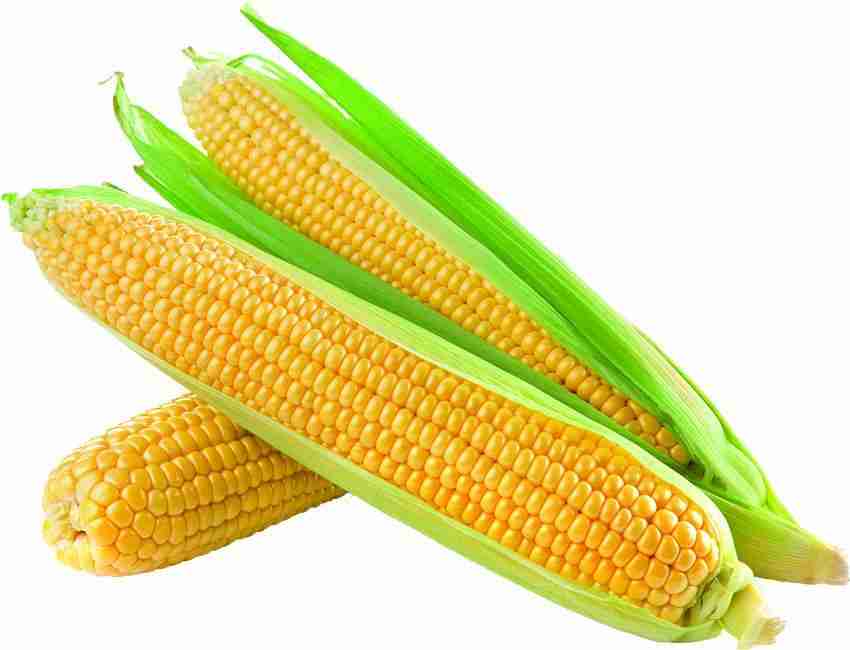
Exploring the Roots of Corn: Understanding the Cob’s Role in Processing
Corn, often celebrated for its golden kernels, has much more than just its sweet taste to offer. The cob, a sturdy structure holding these precious kernels, plays a vital role in the processing journey of corn. Beyond being merely a support system for the grains, the cob serves functions that are essential to both agricultural and industrial practices. After harvesting, the cobs are often used in a variety of ways, showcasing their versatility and importance:
- Animal Feed: Crushed or processed cobs are commonly used as feed for livestock, adding bulk and fiber to diets.
- Biomass Fuel: Dried cobs are a sustainable source of energy, burning at high heat and low emissions.
- Compost Material: Their fibrous nature makes them ideal for composting, enriching soil health.
- Industrial Applications: Corn cobs are processed into materials for packaging, creating biodegradable options that replace plastics.
The processing of corn not only celebrates the kernels but also appreciates the essential role of the cob in sustainability. As we delve deeper into corn’s journey, we find that various techniques transform these cobs into products that extend their utility beyond the farm field. Here’s a glimpse at some fascinating uses of corn cobs in modern industry:
| Application | Description |
|---|---|
| Bio-based Plastics | Processed cobs can be converted into biodegradable plastics, reducing reliance on petroleum. |
| Corn Cob Grits | Used in abrasive materials for industrial cleaning and polishing. |
| Medicinal Uses | Extracts from corn cobs are explored for potential health benefits in traditional medicine. |

Transforming Kernels: Techniques that Bring Corn to Life
The metamorphosis of corn kernels into delightfully edible forms showcases a captivating interplay of nature and ingenuity. Each step in the transformation process uncovers a treasure trove of culinary possibilities. Techniques such as dry milling, wet milling, and nixtamalization breathe new life into humble kernels, turning them into vibrant ingredients essential for staple foods across cultures. For instance, dry milling grinds kernels into fine flour, perfect for baking, while wet milling separates the starches and fibers, offering diverse uses in food and beverage industries. Nixtamalization, on the other hand, enhances the nutritional profile of corn while adding a distinct flavor—a method deeply rooted in ancient traditions.
As the processing journey advances, corn finds its way into an array of delightful products. From the sweet, golden syrup drenching pancakes to savory tortilla chips that crunch with every bite, the possibilities abound. Notable products created from transformed corn include:
- Popcorn: A classic snack that bursts to life when heated.
- Cornmeal: Ground corn used for bread and batters.
- Hominy: A staple in many traditional dishes, created through nixtamalization.
- Cornstarch: A smooth thickening agent for sauces and gravies.
Here’s a simple overview of the various processing techniques and their outcomes:
| Technique | Description | Common Uses |
|---|---|---|
| Dry Milling | Grinding corn into flour or meal. | Bread, pancakes, and baked goods. |
| Wet Milling | Separating components via soaking and grinding. | Starch, syrup, and various food products. |
| Nixtamalization | Soaking corn in alkaline solution to enhance flavor and nutrition. | Tortillas, tamales, and hominy dishes. |
This intricate journey of transformation not only pays homage to corn’s versatility but also highlights human creativity in culinary arts, delivering satisfying and often nostalgic tastes around the globe.
Harnessing Nutritional Power: The Benefits of Processed Corn Products
The transformation of corn from a simple cob to a variety of processed products underscores its versatility and nutritional advantages. Corn is not only a staple food source but also a significant ingredient in numerous processed foods, owing to its rich nutrient profile. The processing of corn enhances its digestibility and nutrient availability, allowing individuals to harness many health benefits. Corn-based products such as tortillas, polenta, and cornmeal are packed with fibers, vitamins, and essential minerals, providing a wholesome addition to any diet. Additionally, these products serve as excellent gluten-free alternatives, catering to those with dietary restrictions.
Processed corn products also contribute to food security and economic sustainability. Their extended shelf life and ease of transport make them an ideal choice for both local and international markets. Here are a few benefits of these products:
- Convenience: Easy to prepare and incorporate into various dishes.
- Nutritional Value: High in carbohydrates, provide energy, and are rich in dietary fiber.
- Versatility: Can be used in sweet or savory recipes, from snacks to meals.
Further emphasizing their value, processed corn products can be categorized in various ways based on their nutritional composition. The following table illustrates some key varieties and their benefits:
| Product | Main Nutritional Benefit | Common Use |
|---|---|---|
| Cornmeal | High in fiber | Bread, polenta |
| Cornstarch | Source of quick energy | Thickening sauces |
| Popcorn | Low-calorie snack | Snacking |

Innovations in the Industry: Future Trends and Sustainable Practices
The corn processing industry is undergoing significant transformation driven by innovations that prioritize sustainability and efficiency. Cutting-edge technologies are emerging, sparking excitement about new possibilities in how corn is processed and utilized. For instance, biorefining techniques are being introduced, allowing for the conversion of corn into a variety of bio-based products such as biodegradable plastics and renewable fuels. This not only reduces waste but also lowers the carbon footprint associated with traditional processing methods. AI and machine learning are also playing crucial roles by optimizing the production processes, thus enhancing yield while minimizing resource consumption.
Moreover, the move towards more sustainable farming practices is reshaping the landscape of corn cultivation and processing. Growers are adopting precision agriculture methods that utilize data analytics to efficiently manage water usage and fertilizer application. These practices are complemented by the integration of cover cropping and crop rotation, which improve soil health and reduce the need for chemical inputs. As the industry continues to evolve, a pivotal focus remains on collaboration among stakeholders, from farmers to processors, to develop strategies that can effectively address environmental concerns while maintaining productivity and profitability. The following table summarizes key innovations currently at the forefront of corn processing:
| Innovation | Description | Benefits |
|---|---|---|
| Biorefining | Conversion of corn into bio-based products | Reduces waste, lowers carbon footprint |
| Precision Agriculture | Data-driven farming techniques | Optimizes resource use, increases yield |
| AI Optimization | Machine learning in production processes | Enhances efficiency, reduces costs |
| Cover Cropping | Planting crops to improve soil health | Reduces chemical inputs, increases biodiversity |
In Summary
As we conclude our exploration of “From Cob to Crunch,” it becomes clear that the journey of corn processing is not merely about transforming an agricultural staple into a snack resting on your kitchen counter. It is a testament to human ingenuity, the evolution of technology, and the delicate balance between tradition and innovation. Each kernel tells a story, woven into the fabric of cultures and economies worldwide.
From ancient ceremonies honoring the maize harvest to the bustling factories where corn is processed into a plethora of products, this golden grain continues to shape our diets and industries. As we savor the satisfying crunch of popcorn or enjoy the sweet burst of corn syrup in our favorite treats, we are tasting a legacy that is rich with history and promise.
The journey does not end here. As sustainability and health continue to influence consumer choices, the future of corn processing may redefine how we interact with this versatile crop. What adventures lie ahead for corn, and how will our relationship with this vibrant grain continue to evolve? Only time will tell, but one thing is certain: the story of corn processing is far from finished. So let’s keep our ears open and our palates ready for the next chapter in this ever-evolving saga.



