
From Field to Food: The Art and Science of Corn Processing
In the vast tapestry of agricultural produce, few crops hold as prominent a place as corn. This golden grain, once relegated to the fields of indigenous cultures, has transformed into a cornerstone of the global food system, with its versatility spanning culinary delights, industrial applications, and even biofuels. But have you ever paused to wonder how this humble plant makes its journey from sun-drenched fields to the plates that adorn our tables? The journey of corn is not merely a tale of farming; it is a fascinating intersection of art and science, where traditional practices dance in harmony with innovative technologies. In this article, we will delve into the intricate processes that bring corn from its natural state to the myriad forms we consume, exploring the techniques, challenges, and innovations that define the corn processing industry. Join us as we uncover the remarkable transformations that this resilient grain undergoes, illuminating the vital role it plays in our daily lives.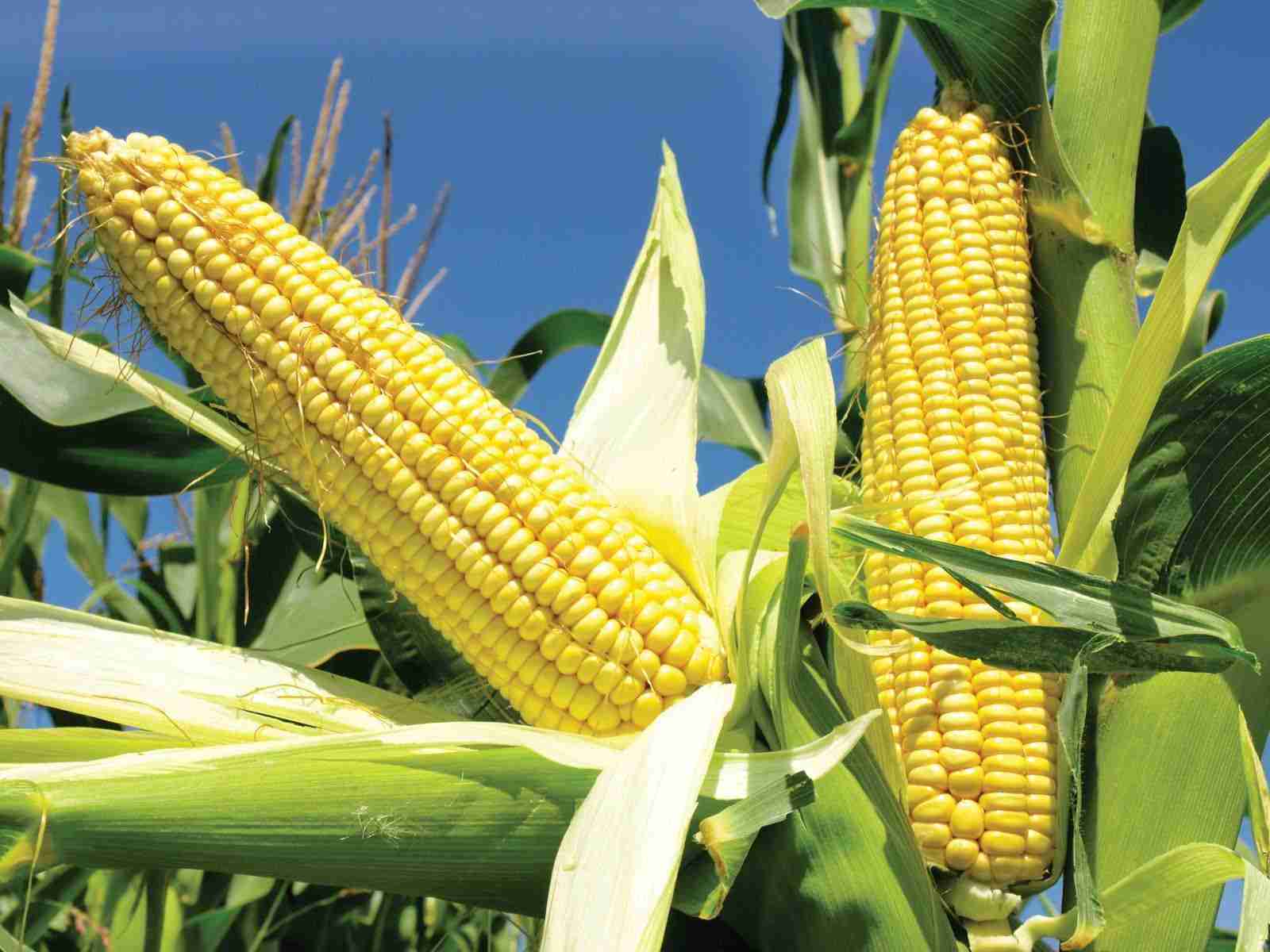
The Journey of Corn: Understanding Its Lifecycle from Harvest to Table
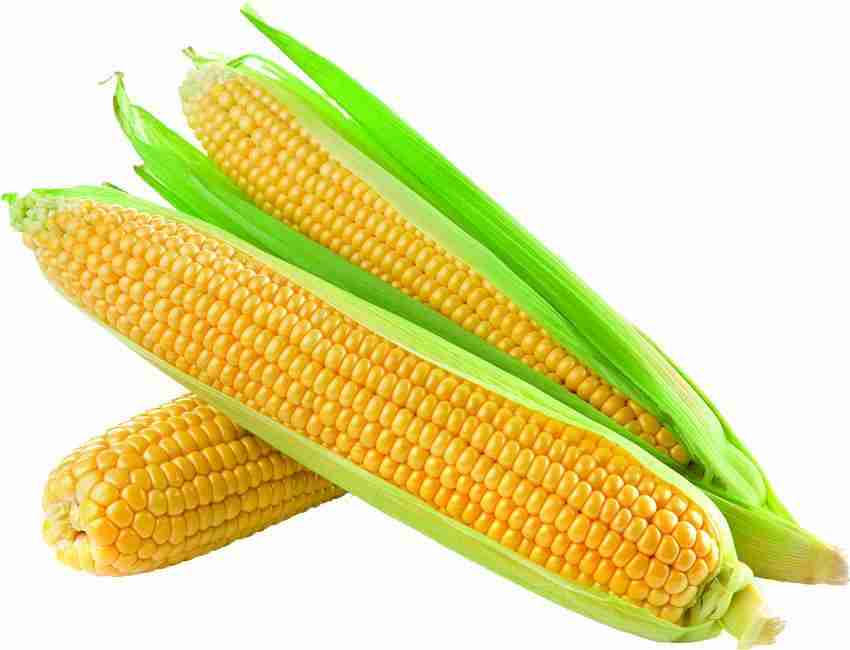
As the golden fields of corn sway gently in the summer breeze, the journey from plant to plate begins its intricate dance. The lifecycle of corn involves several vital stages, starting with the harvest, when ears are plucked from the stalks, swathed in their protective husks. Once harvested, the corn is taken to processing facilities where it undergoes cleaning, shelling, and sorting. Each kernel’s fate hinges not only on its size and quality but also on its intended use, whether for animal feed, sweeteners, or food products. Skilled workers and sophisticated machinery work in tandem to ensure that every part of the ear is utilized efficiently and sustainably.
The processing journey does not end in the factory; instead, it branches out into diverse culinary avenues. Corn becomes a foundation for a multitude of products through various processing methods like grinding, cooking, and fermenting. Beyond the familiar cornmeal and cornstarch, innovative techniques turn corn into everything from tortillas to popcorn, transcending traditional boundaries and bringing flavors to numerous dishes worldwide. The transformation does not merely stop at food; corn is also a key ingredient in biofuels and biodegradable materials, highlighting the remarkable versatility of this staple crop.
Here’s a sneak peek into the key benefits of corn processing:
| Benefit | Description |
|---|---|
| Nutritional Profile | Enhances the nutrient availability of corn-based foods. |
| Shelf Life | Extends durability and reduces waste through appropriate processing. |
| Flavor Development | Processing techniques enhance taste and texture of final products. |
| Versatility | Allows corn to be incorporated into myriad recipes and products. |
Exploring Traditional and Modern Techniques in Corn Processing
Corn processing has evolved remarkably over the centuries, embodying a rich tapestry of traditional methodologies that have been passed down through generations. Some age-old techniques still resonate with today’s artisans, highlighting the deep connection between community and crop. Traditional practices often focus on hand-harvesting, sun-drying, and stone grinding, emphasizing a slow, labor-intensive approach that allows the natural flavors of the corn to shine through. Artisan processes might include:
- Nixtamalization: An ancient Mesoamerican technique where corn is soaked in an alkaline solution to improve flavor and nutritional value.
- Hand-grinding: Utilizing traditional stone mills for a coarse texture, ideal for tortillas and tamales.
- Fermentation: A method used to create unique flavors in dishes like pozole and various alcoholic beverages.
In stark contrast, modern corn processing techniques have intertwined innovation with efficiency, embracing technology to meet the demands of a growing global population. Methods such as high-efficiency milling, cryogenic processing, and mechanical separation ensure that corn can be transformed into a myriad of products—from high-fructose corn syrup to biofuels—at a staggering scale. This intersection of science and industry allows for:
- Precision fermentation: Cutting-edge techniques that enhance yield while ensuring consistency in flavor and quality.
- Automation: Streamlining production lines to reduce manual labor and increase throughput without sacrificing quality.
- Innovative by-products: Developing plant-based products and sustainable alternatives that maximize resource use.
Both traditional and modern practices highlight the versatility of corn, offering insights into its intrinsic cultural significance as well as its monumental role in today’s economy and food systems.
Nutrition Meets Innovation: Enhancing Corn Products for Health and Sustainability
As the world shifts towards healthier eating habits and sustainable agricultural practices, the corn industry has embarked on an innovative journey to elevate its products. By leveraging cutting-edge technologies and research, corn processing has evolved to not only enhance the nutritional profile of corn products but also to reduce their environmental impact. This transformation includes:
- Biofortification: Enriching corn varieties with essential vitamins and minerals to combat nutritional deficiencies.
- Value-Added Processing: Creating high-fiber, gluten-free flours and snacks that cater to dietary restrictions.
- Sustainable Practices: Implementing eco-friendly methods in farming and processing to reduce carbon footprints.
The convergence of nutrition science and agricultural innovation has resulted in corn products that not only taste great but also meet modern health standards. The following table illustrates the impressive advancements that have emerged from this synergy:
| Innovation | Description | Benefits |
|---|---|---|
| Whole Grain Utilization | Maximizing the use of the entire corn kernel. | Enhanced fiber and nutrient intake. |
| Fermentation Techniques | Using beneficial bacteria to improve digestibility. | Probiotics and improved gut health. |
| Plant-Based Ingredients | Incorporating corn into plant-based alternatives. | Support for vegetarian and vegan diets. |
From Cornmeal to Corn Oil: Recognizing the Versatility of a Staple Crop
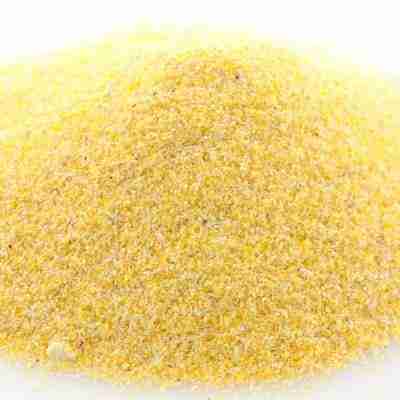
Corn is not just a food item; it is a canvas for culinary creativity and industrial innovation, showcasing its impressive adaptability across various products and processes. When we consider its journey from cornmeal to corn oil, we uncover a remarkable spectrum of uses that highlight its significance in both nutrition and economy. Cornmeal, ground from dried corn kernels, serves as a critical ingredient in countless dishes, enabling the creation of comforting classics such as cornbread and polenta. Beyond the kitchen, its textural properties allow it to provide a unique base for baked goods, enhancing flavor and nutrition.
As we move further down the production line, we encounter corn oil, a product derived from the same yellow gold that enriches our diets. This oil is lauded for its high smoke point, making it ideal for frying and baking, while also being a preferred choice for salad dressings due to its light, neutral flavor. To illustrate the diverse applications of corn, consider the following list of products sourced from this versatile crop:
- Sweet Corn – enjoyed fresh or canned, a staple summer delight.
- Corn Syrup – a sweetener beloved in many processed foods.
- Animal Feed – a significant component in livestock diets.
- Bioplastics – emerging in the realm of sustainable materials.
| Product Type | Main Use |
|---|---|
| Cornmeal | Baking and cooking applications |
| Corn Oil | Cooking, frying, and salad dressings |
| Corn Starch | Thickening agent in sauces and desserts |
| Dextrose | Sweetener in food and beverages |
Closing Remarks
the journey of corn from field to food is a remarkable blend of art and science, where nature’s bounty meets human ingenuity. From the intricate methods of cultivation to the precision of processing, every step plays a pivotal role in transforming this versatile grain into countless culinary delights that nourish communities around the globe. As we reflect on this transformation, it becomes evident that the story of corn is not just about agriculture; it’s a testament to our relationship with the land and our creativity in utilizing its gifts. As innovations continue to emerge in the processing landscape, the ongoing evolution of corn promises to inspire future generations, reminding us that sometimes, it is in the simplest of grains that we find the most profound stories. So, the next time you enjoy a corn-based dish, take a moment to appreciate the intricate journey that brought it to your plate—a journey steeped in tradition, science, and an enduring connection to the earth.



