
In the heart of every thriving agricultural society lies a profound relationship with the grains that sustain them. Among these, maize stands out as a cornerstone of nutrition, culture, and economy across the globe. Yet, the journey from field to table involves a transformative process that is both an art and a science. “The Art and Science of Maize Milling: A Grain Revolution” invites you to delve into the intricate world of maize milling—a practice steeped in tradition and innovation. As we explore the finely-tuned mechanics, state-of-the-art technology, and centuries-old techniques that define this essential industry, we uncover not just a method of food production but a catalyst for culinary creativity and economic growth. Join us as we embark on this exploration of maize milling, where each kernel tells a story of resilience, adaptation, and the quest for perfection in every grind.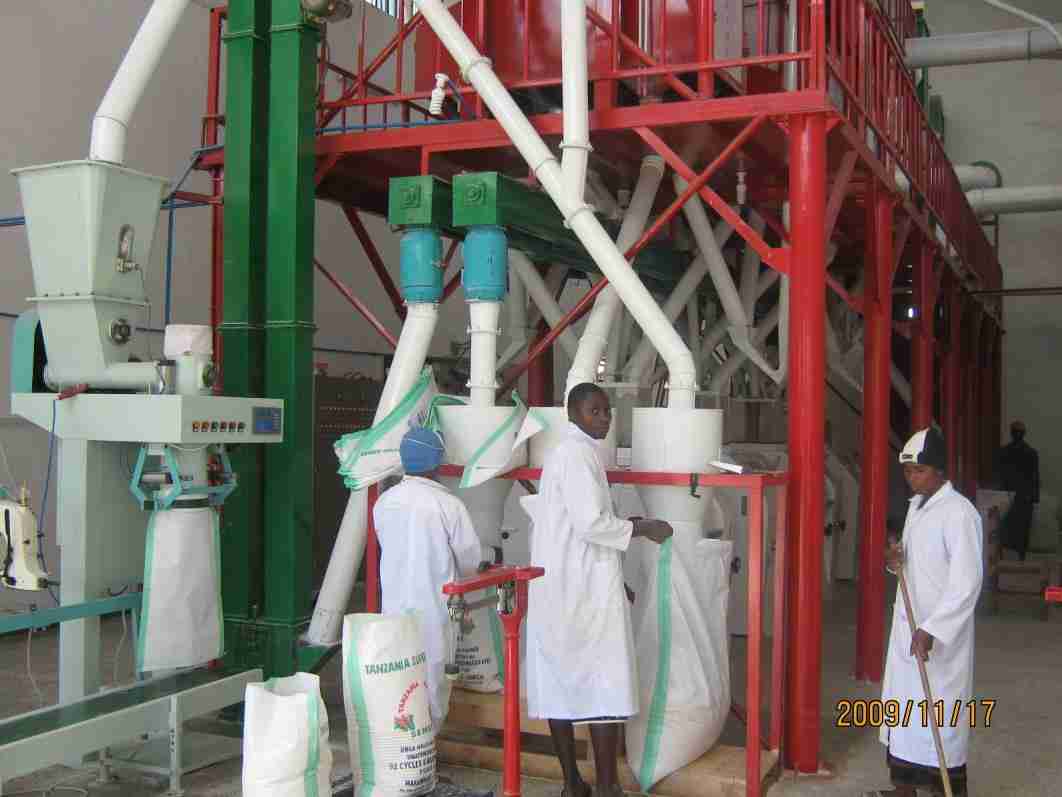
The Historical Roots of Maize Milling and Its Evolution
The journey of maize milling traces back thousands of years, deeply intertwined with the agricultural practices and cultural traditions of indigenous civilizations. Early forms of milling emerged in ancient Mesoamerica, where communities developed rudimentary tools, such as metates and manos, to grind corn into masa. This fundamental step not only transformed maize into a staple for nutrition but also created a platform for social and economic development. The engaging art of milling flourished within various ancient cultures, each contributing their unique techniques and rituals, from the Aztecs to the Mayans, leading to the establishment of maize as a pivotal food source across the Americas.
As societies evolved, so too did the technology behind maize milling. The transition from manual methods to mechanized processes marked a significant turning point. In the 19th century, the introduction of water-powered and steam-driven mills revolutionized the industry, increasing efficiency and output. Not only did this innovation enhance the milling process, but it also paved the way for the commercialization of maize products worldwide. Today, modern maize milling combines traditional artistry with cutting-edge technology, utilizing computer-controlled systems and precision machinery to produce a variety of maize products, including flour, grits, and cornmeal. This evolution highlights not just a transformation in technique but a continuity of cultural significance, sustaining the legacy of maize milling through generations.
| Era | Milling Technology | Impact |
|---|---|---|
| Ancient | Metates and Manos | Social and nutritional foundation |
| 19th Century | Water and Steam Mills | Increased efficiency and production |
| Modern | Computer-Controlled Systems | Diverse product offerings and global commerce |
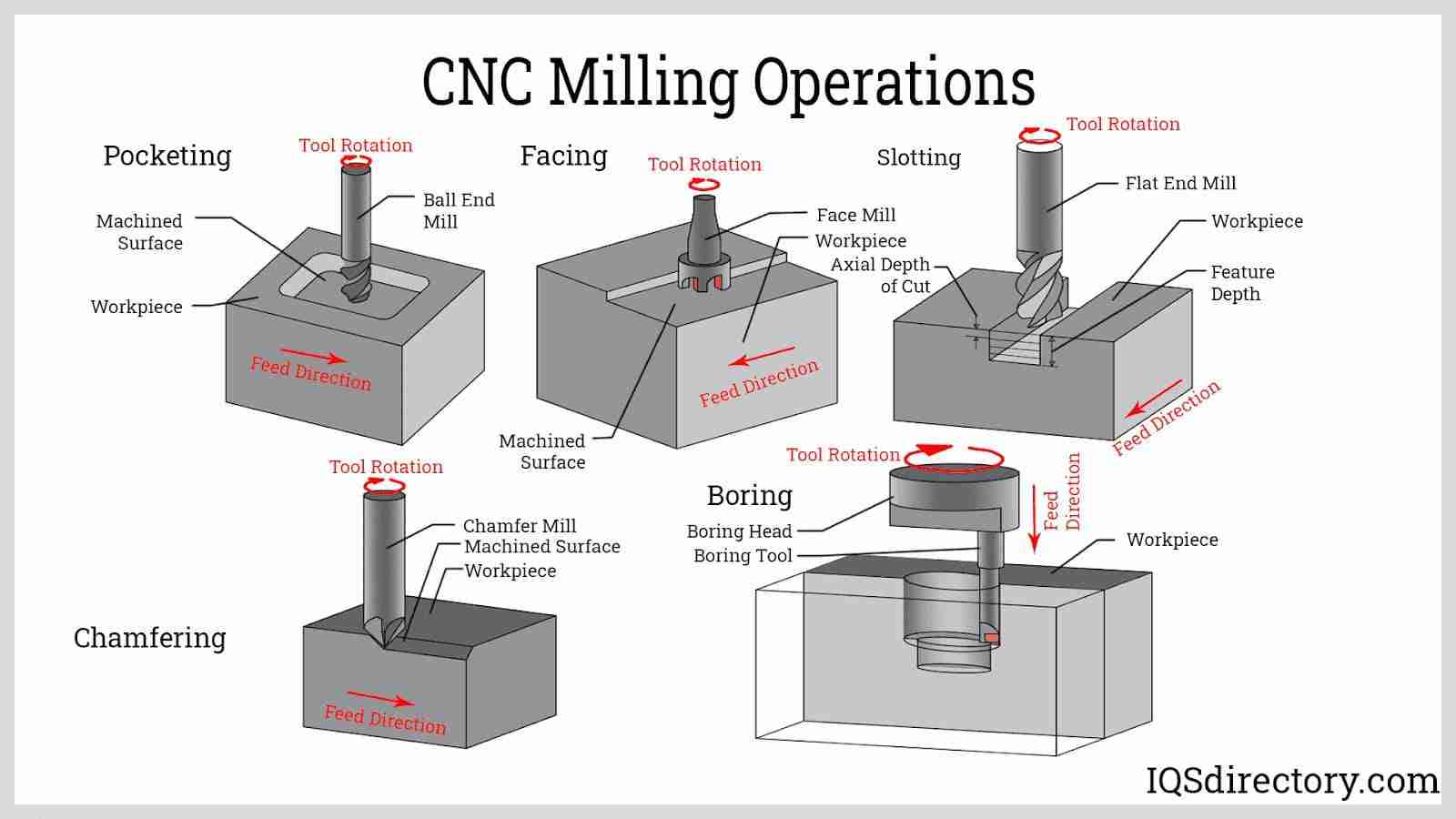
Understanding the Milling Process: Techniques and Technologies
The milling process transforms whole maize into various forms suitable for consumption and cooking, relying on a variety of techniques and technologies to achieve optimal results. Each method plays a crucial role in the quality and efficiency of maize processing. Key techniques include traditional stone milling, which provides a rustic texture, and modern roller milling that ensures uniform particle size. The selection of milling equipment, ranging from small-scale grinders to large industrial mills, significantly impacts the final product’s quality and the efficiency of production. This evolution in milling technology has paved the way for innovations that enhance yield while preserving the nutritional value of maize.
As the demand for maize-based products grows, advancements in milling technology are becoming increasingly important. Modern milling plants often integrate digital monitoring systems to optimize performance and maintain consistency. The adoption of automated processes reduces labor costs and minimizes waste. Furthermore, innovations such as air classification and pre-conditioning techniques are ushering in a new era of maize milling, where precision and sustainability take center stage. Anticipating future trends, businesses are exploring the use of renewable energy sources, which promise to revolutionize the milling landscape while addressing environmental concerns.

Nutritional Impact of Maize Milling: Enhancing Food Security
The milling process of maize is not just about transforming raw kernels into flour; it plays a pivotal role in enhancing nutritional profiles and improving food security. By extracting vital components such as germ oil, fiber, and proteins, modern milling techniques yield a range of products suitable for diverse dietary needs. The incorporation of these nutrients is crucial in combating malnutrition and promoting a balanced diet among populations that rely heavily on maize as a staple food. Some of the nutritional benefits of well-milled maize include:
- Rich in complex carbohydrates: Provides essential energy needed for daily activities.
- High fiber content: Supports digestive health and helps regulate blood sugar levels.
- Source of vitamins: Essential vitamins like B6 and folate which are vital for metabolic processes.
- Minerals: Important minerals such as magnesium and phosphorus that support bone health.
The potential of maize milling to enhance food security extends beyond merely its nutritional benefits. Through adequate processing methods, it facilitates the production of fortified foods, which can help address specific dietary deficiencies. Furthermore, improved milling technology can reduce post-harvest losses, ensuring that communities have consistent access to quality maize products throughout the year. To illustrate the increased efficiency and reduced waste, consider the following comparison:
| Traditional Milling | Modern Milling |
|---|---|
| Higher waste due to inefficient processing | Lower waste with improved extraction methods |
| Limited shelf life of products | Extended shelf life with better storage solutions |
| Lower nutritional retention | Higher nutritional retention and fortification options |

Sustainability in Maize Milling: Best Practices for Future Generations
Milling maize sustainably is a multifaceted approach that balances production efficiency with environmental stewardship. By implementing innovative technologies and practices, millers can reduce their ecological footprint while ensuring high-quality grain products. This involves investing in energy-efficient machinery and adopting renewable energy sources, such as solar or wind, to power operations. Furthermore, transitioning to eco-friendly packaging materials can significantly minimize waste and promote recycling. Key practices include:
- Water Conservation: Utilizing closed-loop water systems to minimize wastewater.
- Waste Reduction: Repurposing by-products from milling (such as bran) into animal feed or bioenergy.
- Soil Health: Encouraging regenerative agricultural practices among local farmers to maintain soil fertility.
These practices not only contribute to environmental health but also enhance the economic viability of maize milling operations. A well-planned sustainability strategy can open doors to new markets and attract consumers who are increasingly aware of their purchasing impact. For instance, the incorporation of a circular economy model allows millers to optimize resource use. Below is a simple overview of sustainable practices versus traditional methods:
| Practice | Sustainable Approach | Traditional Approach |
|---|---|---|
| Energy Use | Renewable sources | Fossil fuels |
| By-product Management | Repurposing | Disposal |
| Water Usage | Recycling & conservation | High consumption |
In Retrospect
As we draw the curtain on this exploration of maize milling, it becomes clear that this age-old practice is more than just a method of grain processing—it’s a vibrant tapestry woven from both art and science. The journey from kernel to flour is marked by centuries of innovation, cultural significance, and an unwavering dedication to quality.
In this grain revolution, we see the convergence of traditional techniques with modern technology, creating new opportunities for farmers, millers, and consumers alike. The delicate balance of precision and craftsmanship showcases the ingenuity behind this process, while also highlighting its crucial role in food security and economic development around the globe.
As we move forward, the continued evolution of maize milling promises to advance agricultural sustainability and nutritional access, ensuring that this staple crop can nourish generations to come. The future looks bright, and as we embrace these advances, let us remember the age-old wisdom and care that have shaped the world of maize milling. In the interplay of art and science, the heart of this grain revolution beats stronger than ever.



