
Unveiling the Journey: A Deep Dive into Corn Processing
In the vibrant tapestry of agriculture, few crops hold as pivotal a role as corn. From its origins in the ancient fields of Mesoamerica to its modern-day applications in cuisines around the globe, corn is not just a staple; it is a cultural keystone, fueling economies and nourishing populations. Yet, while many are familiar with its golden kernels and the tantalizing dishes they inspire, few understand the intricate journey corn undertakes before reaching our plates. This article embarks on an exploratory voyage, unraveling the complexities of corn processing—a fascinating blend of science, tradition, and innovation. Join us as we delve into the stages of transformation that elevate this humble grain into a multitude of products, uncovering the meticulous processes that define its journey from field to fork. Through this lens, we aim to illuminate the significance of corn processing in a world constantly seeking sustainable ways to harness the bounty of the earth.
Exploring the Varied Pathways of Corn from Field to Fork
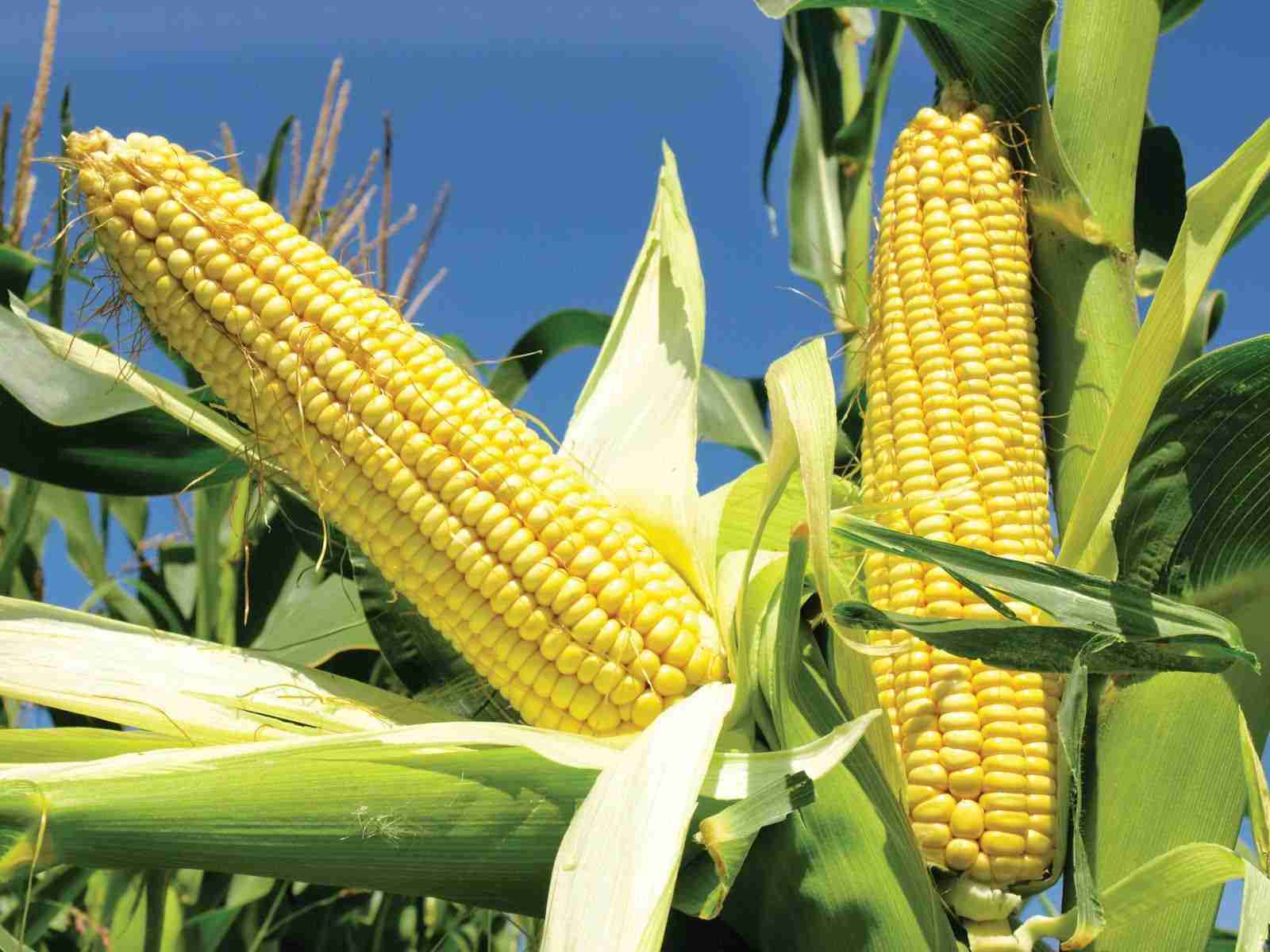
The journey of corn from the field to our forks is a tapestry woven with tradition, innovation, and a bit of science. Once harvested, corn undergoes a series of meticulous steps to transform its raw form into the many products we enjoy daily. First, it is sorted to remove any impurities and ensure quality. Then the kernels go through cleaning and conditioning, a vital process that prepares them for milling or other processing steps. Here’s a brief overview of what happens next:
- Milling: Corn is ground into various consistencies, enabling it to be used in flour, grits, or meal.
- Fermentation: This process can produce everything from corn whiskey to biofuels, showcasing corn’s versatility.
- Cooking: After processing, corn products may be cooked or baked, transforming them into snacks, tortillas, or cereals.
As corn travels through the various stages of production, sustainability and efficiency play a crucial role. Modern processing techniques emphasize minimizing waste and ensuring that by-products are repurposed, supporting both environmental and economic sustainability. To provide a glimpse into the wide array of corn-derived products available today, consider the following table.
| Product | Common Uses |
|---|---|
| Cornmeal | Baking, breading for fried foods |
| Corn Syrup | Sweetener in beverages and candies |
| Corn Starch | Thickening agent in sauces and soups |
| Popcorn | Snack food, movie theater treat |
Understanding the Science Behind Corn Processing Techniques
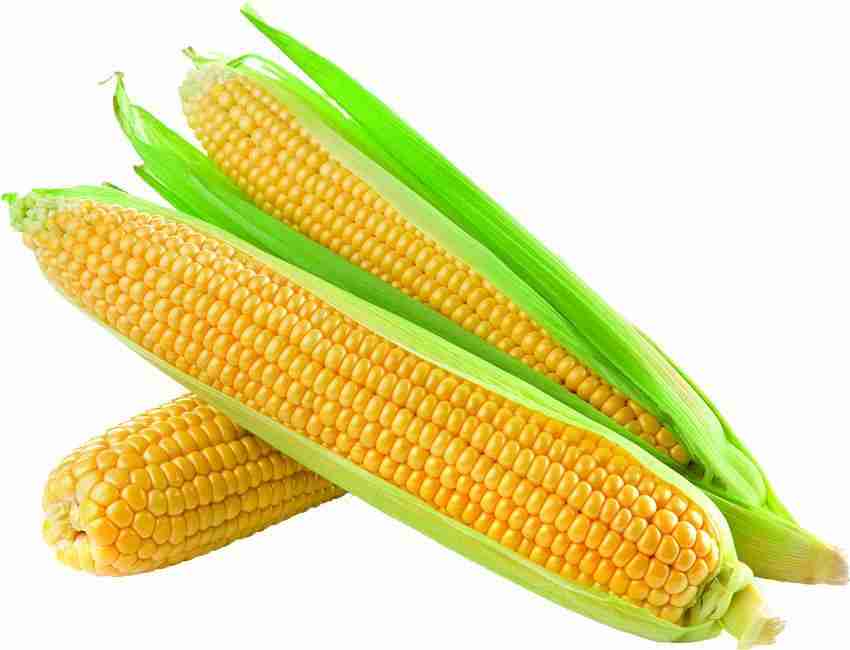
At the heart of our culinary staples, corn undergoes a variety of processing techniques that transform it from simple kernels into versatile ingredients. Understanding these processes reveals the intricate interplay between nature and technology. From wet milling to dry grinding, each method serves specific purposes and yields distinct products. Wet milling, for example, not only separates starch but also enhances the protein content of corn, making nutritive corn by-products like corn syrup and ethanol. In contrast, dry grinding focuses on milling the whole grain, producing grits, corn flour, and cornmeal, which are essential for countless recipes globally.
To grasp the significance of these techniques, it is essential to consider their impact on texture, flavor, and nutritional value. Each approach can be categorized by its application:
- Starch extraction: Predominantly achieved through wet milling.
- Texture variations: Resulting from different grinding methods, such as coarse vs. fine.
- Nutritional profiles: Influenced greatly by the processing technique, particularly the degree of processing.
Below, we present a simple comparison of the two primary processing techniques:
| Technique | Key Features | Main Products |
|---|---|---|
| Wet Milling | Involves soaking corn in water, allowing separation of components | Corn syrup, starches, oils, ethanol |
| Dry Grinding | Processes whole kernels without prior soaking | Cornmeal, grits, masa |
Navigating the Economic Landscape of the Corn Industry
The corn industry stands at the crossroads of agriculture and commerce, where the interplay of various economic factors shapes its trajectory. To comprehend this dynamic environment, stakeholders must consider several key elements: the impact of weather patterns, market demand fluctuations, and government policies. For instance, adverse weather can disrupt supply chains, leading to price volatility. Conversely, technological advancements in farming practices can boost yield, prompting a surge in market activity. As globalization influences trade, local producers must navigate international markets and competition, adapting their strategies to maintain profitability.
Additionally, the economic landscape of corn processing involves various stakeholders, including farmers, processors, and consumers. Each contributes to a multifaceted value chain characterized by distinct monetary flows and relationships. Understanding these interactions can be enhanced by analyzing data trends, such as:
- Production Costs: Fluctuations due to input prices, such as seeds and fertilizer.
- Market Trends: The rising demand for biofuels and corn-derived products.
- Export Opportunities: Trade agreements affecting corn exports.
Insights can also be drawn from the following table that highlights recent shifts in corn pricing and production volumes:
| Year | Average Price ($/bushel) | Production Volume (million bushels) |
|---|---|---|
| 2020 | 3.50 | 14,000 |
| 2021 | 5.50 | 15,500 |
| 2022 | 6.10 | 13,800 |
This evolving framework requires stakeholders in the corn processing industry to be agile, informed, and ready to pivot strategies based on real-time economic indicators.
Sustainable Practices and Future Innovations in Corn Processing
As the demand for sustainable agricultural practices continues to rise, the corn processing industry is embracing innovative methods that harmonize efficiency with environmental stewardship. By utilizing biotechnological advancements, processors are now able to transform corn in ways that minimize waste and enhance yield. Initiatives such as crop rotation, integrated pest management (IPM), and precision agriculture are integral to reducing the ecological footprint of corn farming, promoting soil health, and preserving the biodiversity of agricultural landscapes. These practices ensure that corn not only remains a staple crop but also supports the ecosystems that sustain it.
Looking ahead, future innovations promise an exciting evolution in how corn is processed. The rise of plant-based bioproducts is paving the way for alternatives that reduce reliance on fossil fuels. Emerging technologies, such as enzymatic processing and circular economy models, aim to maximize resource use and minimize by-products. By investing in nanotechnology and smart farming, the corn processing sector is poised to improve the efficiency of extraction methods, leading to higher-quality products while utilizing fewer resources. These advancements reflect a commitment to a sustainable future, positioning the industry at the forefront of environmental responsibility.
| Innovative Practice | Description |
|---|---|
| Biotechnological Advancements | Utilizing genetic modification to enhance yield and reduce pests. |
| Circular Economy Models | Creating closed-loop systems to repurpose waste materials. |
| Smart Farming Technology | Using IoT and AI to optimize farming practices and resource use. |
Final Thoughts
As we draw the curtain on our exploration of the intricate journey from field to fork in corn processing, it becomes clear that this humble grain is far more than just a staple of our diets. From its rich agricultural roots to the complex technologies that transform it into myriad products, corn’s story is one of innovation, sustainability, and adaptation.
In understanding the nuances of corn processing, we not only gain insight into a vital industry but also acknowledge its significant role in global food systems, economies, and cultures. Whether enjoyed as a comforting bowl of popcorn on movie night or as an essential ingredient in countless processed foods, corn’s presence is ubiquitous and vital.
As we step away from this deep dive, let us carry with us a greater appreciation for the journey that transforms this versatile crop into the many forms we encounter in our daily lives. The next time you partake in the delights of corn, may you reflect on the remarkable process that brings it to your table, reminding us all of the intricate connections that bind us to the land and each other.



