
Unlocking Nutrition: The Art and Science of Maize Milling
In the heart of countless kitchens around the world, a humble grain plays a pivotal role in sustaining diets and cultures alike. Maize, or corn, has become more than just a staple food; it embodies a rich tapestry of heritage, innovation, and nutritional potential. The process of maize milling encapsulates both art and science, transforming the golden kernels into versatile flours and meals that nourish millions. This journey from field to table involves intricate techniques passed down through generations, as well as modern advancements in technology and nutrition. As we delve into the world of maize milling, we invite you to explore the delicate balance between tradition and innovation, shedding light on how this age-old practice can unlock a wealth of benefits for health, sustainability, and culinary creativity. Join us as we uncover the essentials of maize milling and its profound impact on our diets and communities.
The Nutritional Value of Maize: Understanding Its Rich Composition
Maize, often celebrated for its versatility in culinary applications, also boasts an impressive nutritional profile that contributes significantly to diets around the world. A staple grain in many cultures, it is rich in essential nutrients that play vital roles in maintaining health. Notably, maize is an excellent source of:
- Carbohydrates: Providing a quick energy source.
- Dietary Fiber: Supporting digestive health and promoting satiety.
- Vitamins: Particularly B vitamins such as niacin, thiamin, and folate, which are crucial for metabolic processes.
- Minerals: Including magnesium, phosphorus, and potassium, which help maintain various bodily functions.
- Antioxidants: Such as lutein and zeaxanthin, associated with eye health.
Furthermore, the milling process enhances the extraction of these nutrients, transforming whole maize into flour and other products while optimizing their bioavailability. For instance, enriched maize products, like cornmeal and corn flour, often undergo fortification to include additional vitamins and minerals, making them even more beneficial. A quick glimpse into the nutritional content of unrefined versus refined maize products offers insight into this transformation:
| Nutrient | Whole Maize (per 100g) | Refined Maize (per 100g) |
|---|---|---|
| Energy | 365 kcal | 364 kcal |
| Protein | 9.4 g | 7.9 g |
| Fiber | 7.3 g | 2.4 g |
| Vitamin B6 | 0.1 mg | 0.02 mg |
| Iron | 0.52 mg | 0.45 mg |
The Milling Process: Techniques and Innovations for Optimal Quality
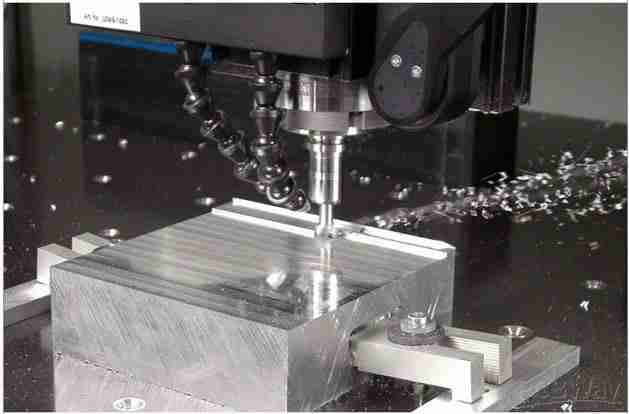
The milling process for maize has evolved significantly, incorporating cutting-edge techniques that enhance both efficiency and nutritional outcomes. At the heart of optimal milling lies the careful selection of equipment. Modern roller mills and stone mills are designed to minimize nutrient loss and maximize the extraction of wholesome components. These techniques address the delicate balance between achieving a fine texture and preserving the kernel’s essential vitamins and minerals. Moreover, technological innovations such as moisture control systems and air classification have contributed to improving the quality of the flour produced, ensuring consistency in texture and color while retaining superior nutritional value.
In the quest for excellence, millers are adopting various strategies to refine their processes. For instance, the implementation of conditioning before milling helps achieve uniform moisture distribution, which is crucial for optimal grinding. Additionally, the adoption of sieving techniques allows for the effective separation of finer materials from bran and germ, ensuring a high-quality end product. Below is a brief overview of key factors influencing the milling process:
| Factor | Description |
|---|---|
| Moisture Content | Critical for effective grinding and nutrient preservation. |
| Temperature Control | Minimizes heat generated during milling to protect nutritional integrity. |
| Particle Size | Affects the functionality and application of milled products. |
| Bran and Germ Separation | Ensures high fiber content while retaining essential oils and nutrients. |
Enhancing Flavor and Texture: Culinary Applications of Milled Maize
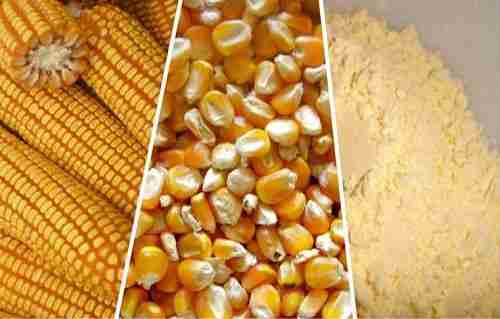
When it comes to culinary innovations, milled maize stands out as a versatile ingredient that can enhance the flavor and texture of a wide range of dishes. From traditional recipes to modern gastronomy, this staple grain offers a unique taste profile that can be harnessed in various forms, such as flour, grits, and polenta. By using milled maize, chefs can experiment with different textures, creating dishes that are not only pleasing to the palate but also visually appealing. Consider incorporating maize flour into the following culinary applications:
- Baking: Maize flour can impart a sweet, nutty flavor to breads, muffins, and pancakes, while contributing to a more tender crumb.
- Coatings and Breading: Utilized as a gluten-free alternative, milled maize enhances crispiness and adds depth to fried foods.
- Pasta and Noodles: Combining maize flour with other flours can produce an interesting texture and flavor in homemade pasta recipes.
Moreover, the nutritional benefits of milled maize further amplify its culinary applications. With a rich composition of fiber, vitamins, and essential minerals, milled maize not only serves as a foundation for creating flavorful dishes but also supports a balanced diet. The following table illustrates the nutritional value of various forms of milled maize:
| Type of Milled Maize | Calories (per 100g) | Fiber (g) | Protein (g) |
|---|---|---|---|
| Maize Flour | 365 | 7.3 | 9.4 |
| Maize Grits | 359 | 4.0 | 7.0 |
| Polenta | 70 | 1.5 | 2.0 |
As chefs delve into the world of milled maize, the potential for creativity is boundless. From experimenting with innovative flavor combinations to crafting health-conscious menus, the culinary possibilities are as diverse as the cultures surrounding this remarkable grain.

Sustainable Practices in Maize Milling: Balancing Efficiency and Nutrition
In the quest for sustainable maize milling, the integration of environmentally friendly practices has emerged as a vital component in enhancing both productivity and nutritional outcomes. Key strategies include optimizing energy consumption through innovative milling technologies, ensuring minimal waste production, and utilizing by-products effectively. By adopting energy-efficient machines that lower electricity usage without compromising the quality of the flour, millers not only reduce operational costs but also decrease their carbon footprint. This commitment to sustainability can further be bolstered by implementing practices such as recycling milling dust for animal feed or composting by-products, thereby creating a circular economy within the milling process.
Moreover, maintaining nutritional integrity during milling is essential for delivering high-quality products that meet consumer demands. To achieve this balance, millers can utilize practices such as:
- Selective grinding techniques that preserve valuable nutrients.
- Using stone mills which retain essential vitamins and minerals by minimizing heat generation during processing.
- Conducting regular assessments of milling processes to ensure nutrient retention levels are optimized.
These tactics not only enhance the nutritional profile of the final product but also reinforce consumer trust in the food supply chain. Implementing these sustainable practices allows maize milling to evolve into a more responsible and health-conscious industry, leading to a more robust and nutritious end product.
In Summary
As we conclude our exploration of “Unlocking Nutrition: The Art and Science of Maize Milling,” it becomes clear that this seemingly simple process is a complex dance of tradition and innovation. By understanding the intricacies of milling, we not only appreciate the effort that goes into producing staple foods but also recognize the essential role maize plays in global nutrition landscapes.
From the vibrant fields to the milling machines, each step is a testament to human ingenuity and nature’s bounty. As we move forward, let us embrace the knowledge that careful milling can optimize not just the flavor, but also the nutritional quality of maize, enhancing the well-being of communities around the world.
So, whether you’re a culinary enthusiast, a nutrition advocate, or simply a curious reader, remember that every kernel holds the potential to nourish both body and spirit. Unlock the secrets of maize milling, and you unlock a world of possibilities for health, sustainability, and culinary delight.



