
The Art and Science of Cereal Milling: A Grain Revolution
In the heart of every grain lies a story—a narrative woven through centuries of agriculture, innovation, and human ingenuity. As civilizations evolved, so too did our methods of transforming nature’s bounty into sustenance, ushering in a quiet yet profound revolution that continues to shape our diets today. The milling of cereal grains, an ancient craft, has transformed into a sophisticated blend of art and science, where tradition meets technology in a seamless dance of precision and creativity.
From the rhythmic thud of heavy stones grinding wheat in a humble mill to the intricate machinery of modern grain processing facilities, the journey of cereal milling is a testament to our relentless quest for efficiency and quality in food production. As we explore the fascinating intricacies of this essential practice, we unveil the delicate balance between the rich heritage of grain milling and the cutting-edge technologies that propel it into the future. Join us as we delve into the multifaceted world of cereal milling, where each grain carries the weight of tradition and the promise of innovation.
The Evolution of Cereal Milling Techniques in Modern Agriculture
The journey of cereal milling has undergone remarkable transformations, shifting from rudimentary tools to sophisticated machinery that exemplifies both art and science. In ancient societies, early millers relied on basic hand-operated devices like mortars and pestles, gradually advancing to water mills and windmills. These developments allowed for increased efficiency, yet still operated manually. During the Industrial Revolution, the introduction of steam power revolutionized milling by enabling larger-scale production. Today, advanced technology such as roller mills, pneumatic systems, and digital sensors has redefined the milling process, optimizing grain processing and enhancing product quality.
Modern milling techniques now incorporate precision agriculture and automation to produce cereals that align with consumer demands and industry standards. The use of computerized control systems facilitates real-time monitoring, ensuring consistent particle size distribution and efficient extraction of flour. Furthermore, the integration of sustainability practices has become paramount, with advancements aimed at reducing waste and energy consumption. The result is a milling ecosystem that not only emphasizes productivity but also prioritizes the health of our planet. Key elements of this evolution include:
- Automation in monitoring and control
- Enhanced milling equipment design
- Biotechnology in grain quality improvement
| Milling Method | Advantage | Challenge |
|---|---|---|
| Traditional Stone Milling | Flavor preservation | Lower efficiency |
| Roller Milling | High efficiency | Less fiber retention |
| Pneumatic Milling | Consistent quality | High initial investment |

Exploring the Nutritional Impact of Milling Methods on Grain Quality
The process of milling is not merely a mechanical transformation; it is a pivotal juncture that significantly alters the nutritional profile of grains. The choice of milling method can impact the retention of essential nutrients, leading to variances in quality and health benefits. For instance, stone milling preserves more of the grain’s natural oils and fiber, while mechanical milling may strip away the bran and germ, which are rich in vitamins and minerals. Understanding these differences is crucial for both consumers and producers seeking optimal grain quality. Key factors include:
- Retention of Nutrients: Different milling techniques can either retain or lose vital nutrients, such as B vitamins and antioxidants.
- Texture and Flavor: The method influences the texture of the flour, affecting its culinary uses and flavor profile.
- Particle Size: Finer flour can enhance certain baked goods, while coarser textures provide an earthy quality.
Furthermore, the environmental aspects of milling cannot be overlooked. Innovative milling technologies have emerged that prioritize sustainability and minimal processing. With advancements in cold milling and whole grain techniques, the industry is moving toward practices that maintain more of the grain’s original integrity. A comparison of traditional and modern milling methods reveals significant insights:
| Milling Method | Nutritional Retention | Flavor Profile | Sustainability Impact |
|---|---|---|---|
| Stone Milling | High | Rich and Nutty | Low Waste |
| Mechanical Milling | Moderate | Neutral | Higher Energy Use |
| Cold Milling | Very High | Balanced and Pure | Low Carbon Footprint |
As we navigate through these milling options, it’s evident that the evolution of grain milling is not only about improving efficiency but also about enhancing nutritional value and embracing sustainability. This aspect of milling is steadily becoming a vital consideration for those invested in the grain revolution, ensuring that nutrition and quality remain at the forefront of agricultural practices.
Innovative Technologies Transforming the Cereal Milling Landscape
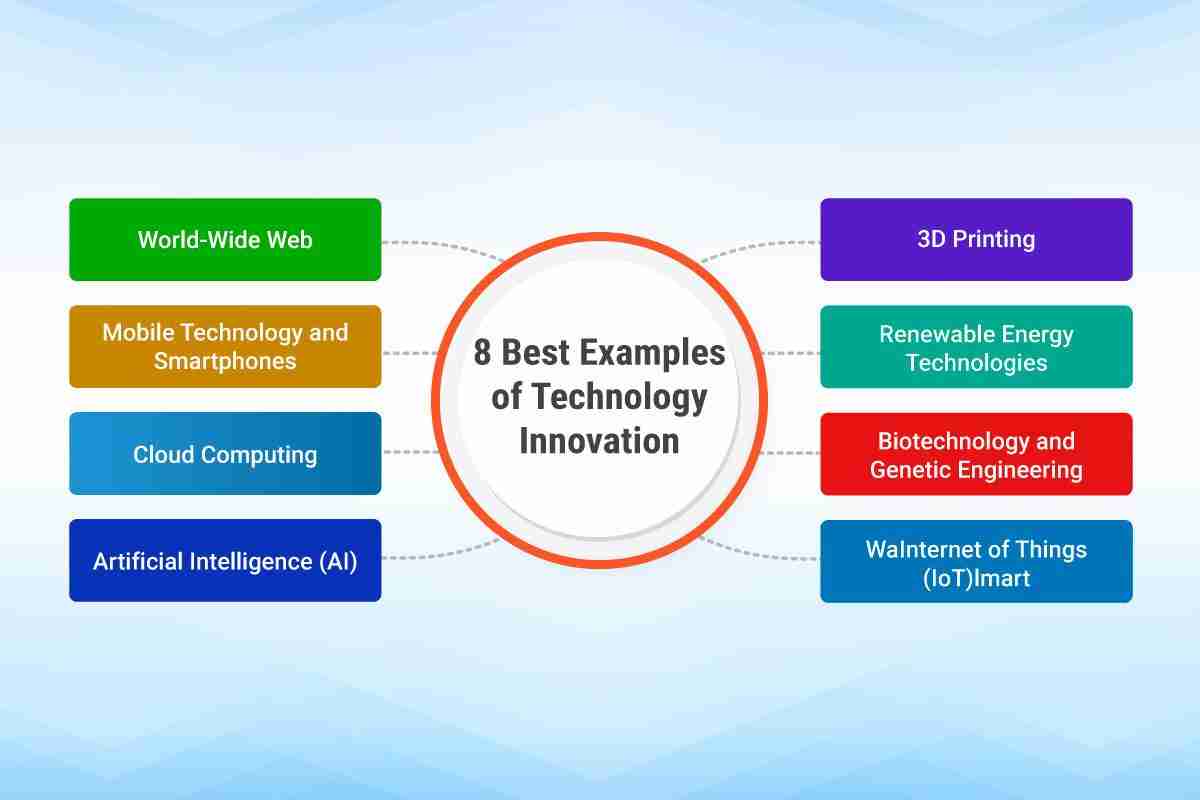
The cereal milling industry is experiencing a significant transformation driven by cutting-edge technologies that enhance efficiency, sustainability, and product quality. Advanced machinery equipped with smart sensors and data analytics allows millers to monitor production processes in real-time, promoting actionable insights that lead to improved yield and reduced waste. These innovations not only streamline operations but also minimize environmental impact, aligning with today’s eco-conscious consumer trends. Some of the remarkable technologies paving the way for this revolution include:
- Artificial Intelligence (AI): AI algorithms optimize milling processes by predicting maintenance needs and adjusting parameters for maximum output.
- Automation: Automated systems streamline workflows and enhance consistency in product quality.
- Blockchain: This technology ensures transparency and traceability in the supply chain, building trust with consumers.
The integration of these innovative technologies has also sparked a newfound focus on specialty grains and niche markets. Mills are now able to produce a wider array of flour types tailored for artisan bakers and health-conscious consumers, making milling a more dynamic and responsive industry. To further illustrate this growing diversification, the table below outlines some trending grain types and their unique applications:
| Grain Type | Key Attributes | Common Uses |
|---|---|---|
| Ancient Grains | High in nutrients, often gluten-free | Breads, cereals, and snacks |
| Spelt | Nutty flavor and tender texture | Pasta and artisanal baked goods |
| Quinoa | Rich in protein and versatile | Salads, grain bowls, and flour |
This focus on diverse grain offerings, fueled by modern milling techniques, exemplifies how innovation is not just reshaping processes but also redefining the very essence of cereal milling, making it a pivotal player in the broader food industry.

Sustainable Practices for Future-Proofing the Milling Industry
As the world seeks to balance food production with environmental responsibility, the milling industry is embracing innovative sustainable practices that ensure durability and efficiency. These methods not only minimize waste but also enhance the quality of the end product. Key approaches include:
- Energy Efficiency: Utilizing renewable energy sources, such as wind and solar power, to reduce reliance on fossil fuels.
- Water Conservation: Implementing advanced techniques for water recycling and minimizing consumption during processing.
- Waste Management: Converting by-products into animal feed, biofuels, or compost, solving waste challenges while generating additional revenue streams.
Further, the incorporation of sustainable sourcing practices can significantly influence the overall impact of milling operations. Cultivating strong partnerships with local farmers and promoting regenerative agriculture not only fosters local economies but also enhances sustainability in supply chains. Some notable strategies include:
| Practice | Description |
|---|---|
| Local Sourcing | Buying cereal grains directly from nearby farmers to reduce transportation emissions. |
| Crop Rotation | Encouraging diverse growth cycles that enrich soil health and prevent pest buildup. |
| Organic Certification | Supporting organic farming practices that reduce chemical inputs and promote ecological balance. |
In Retrospect
As we journeyed through the intricate world of cereal milling, we uncovered the delicate balance between art and science that defines this age-old craft. From the golden fields where grains are harvested to the bustling mills where they are transformed into the familiar products gracing our breakfast tables, each step is a testament to human ingenuity and innovation. The grain revolution is not merely a story about food production; it symbolizes a profound evolution in our relationship with one of the oldest staples of civilization.
As we look ahead, the future of cereal milling holds exciting possibilities, embracing advancements in technology while honoring traditional methods. This dynamic interplay promises to yield not only more efficient processes but also enhance nutrition, sustainability, and the overall quality of our daily sustenance.
In this ongoing journey of transformation, the rich tapestry of cereal milling continues to unfold, inviting us to explore, innovate, and celebrate the grains that nourish us. Whether you’re a seasoned professional, a curious consumer, or an environmentally conscious innovator, the impact of cereal milling is undeniably woven into the fabric of our lives. So, let us savor the knowledge gained and remain eager participants in the evolving narrative of the grain revolution, one hearty bowl at a time.



