
Unlocking Perfection: The Art and Science of Rice Polishers
In the world of culinary arts, few ingredients hold as much reverence as rice. This humble grain, a staple across cultures, is celebrated not only for its versatility but also for its ability to evoke memories of home and comfort. Yet, the journey from paddy to plate involves a remarkable transformation, and at the heart of this process lies a fascinating tool: the rice polisher. Blending tradition with technology, rice polishing has evolved into an intricate dance between art and science, unlocking the grain’s fullest potential while preserving its inherent qualities. In this article, we delve into the nuances of rice polishers, exploring their craftsmanship, innovative designs, and the delicate balance they achieve in creating the perfect polished grain. Join us as we uncover the mechanics behind this essential culinary process and celebrate the dedicated artisans who refine rice to perfection, one grain at a time.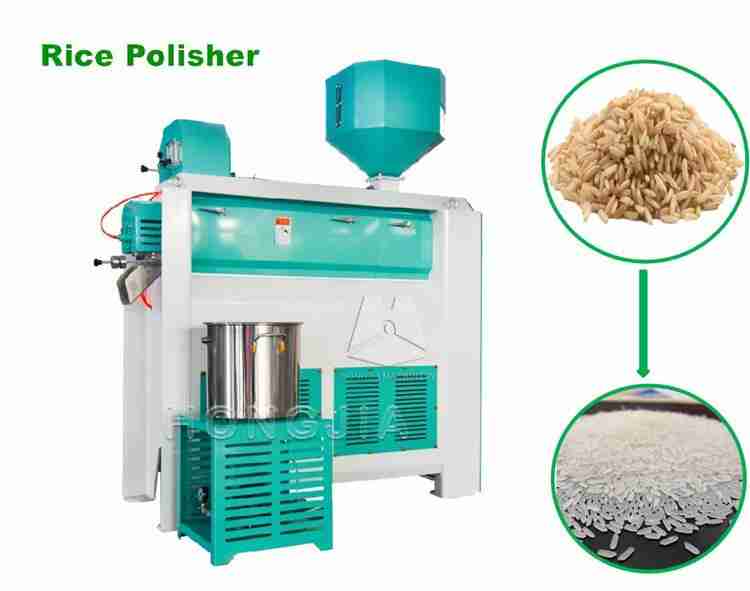
The Evolution of Rice Polishers in Culinary Traditions
The journey of rice polishers reflects a fascinating blend of tradition and innovation, deeply rooted in culinary practices across various cultures. In ancient times, the process was labor-intensive, relying on simple wooden mortars and pestles. Users would meticulously polish rice grains by hand, a practice that not only required skill but also a profound understanding of the rice variety and its qualities. Over time, these humble tools evolved into more sophisticated devices, harnessing both mechanical prowess and subtle culinary finesse. This transformation has allowed chefs to extract the best flavors and textures from rice, highlighting its vital role in gastronomic traditions around the globe.
Modern rice polishers have incorporated advanced technologies, striving to balance efficiency with the artisanal aspects of rice preparation. Key advancements include:
- Automation: Streamlining the polishing process while maintaining consistency.
- Precision Engineering: Ensuring minimal grain breakage and optimal polishing effects.
- Eco-Friendly Designs: Utilizing sustainable materials and energy-efficient mechanisms.
As chefs and home cooks alike embrace these innovations, the relationship between rice and its polishing methods continues to evolve. This interplay not only enhances the culinary experience but also preserves the cultural significance of rice in various cuisines, allowing a deeper appreciation for this staple food.
Understanding the Mechanics: How Modern Rice Polishers Work
The evolution of rice polishing technology has transformed a traditional process into a systematic, efficient method that enhances both the texture and flavor of rice. Modern rice polishers employ a combination of mechanical and pneumatic systems to remove the bran layer surrounding the rice grains without compromising their integrity. This precision engineering utilizes abrasive surfaces, controlled airflow, and vibratory motion to ensure that each grain is polished uniformly. These machines not only reduce cooking time but also improve the nutritional profile by maintaining essential vitamins while minimizing waste. The adaptive features of these devices, such as adjustable abrasion levels and advanced feedback mechanisms, enable customization based on the type of rice being processed.
Another notable aspect of modern rice polishing machines is their ability to incorporate sensor technology and automated control systems that optimize performance. This includes the ability to monitor moisture content and grain hardness, allowing for real-time adjustments during the polishing process. The benefits of such innovations are multifaceted, extending beyond production efficiency to include energy savings and enhanced product quality. Integrating features such as self-cleaning mechanisms and user-friendly interfaces has further contributed to making these machines accessible to both small vendors and large-scale producers, thereby democratizing access to high-quality polished rice. Here’s a quick comparison of traditional and modern rice polishers:
| Feature | Traditional Polishers | Modern Polishers |
|---|---|---|
| Polishing Method | Manual Abrasion | Automated Abrasive & Airflow |
| Customizability | Limited | Highly Adjustable |
| Energy Efficiency | High | Optimized |
| Quality Control | Minimal | Sensor-Driven |
Choosing the Right Rice Polisher for Your Kitchen Needs
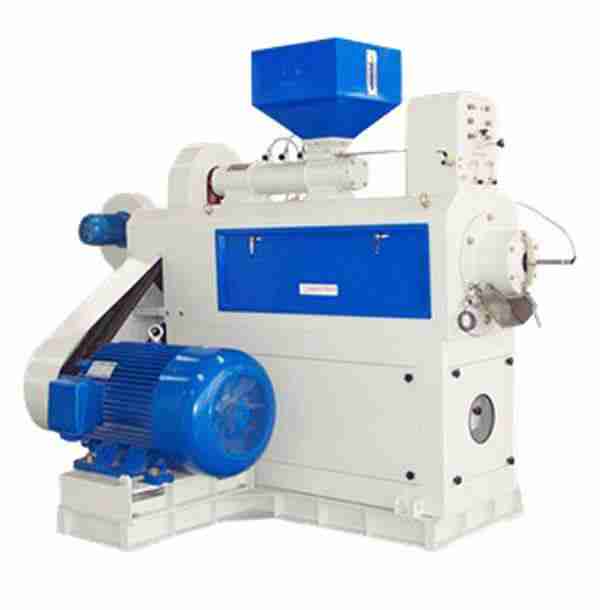
When it comes to the perfect bowl of rice, the choice of polisher can make all the difference. To select the ideal rice polisher for your kitchen, consider several factors that cater to your specific needs and culinary habits. First, think about the volume of rice you typically cook. If you often prepare large quantities for family gatherings or meal prepping, a commercial-grade polisher might suit you best. Conversely, for everyday use, a compact, user-friendly option could suffice. Additionally, assess the material and design, as a durable, high-performance polisher can enhance efficiency and longevity in your cooking arsenal.
Next, examine the features that best align with your cooking style. Some key aspects to contemplate include:
- Polishing Speed: Faster options can save time but may require more skill to ensure consistency.
- Adjustable Settings: Models with customizable polishing options allow for greater control over texture.
- Ease of Cleaning: Efficient machines with removable parts facilitate hassle-free maintenance.
To give you a clearer picture of different rice polishers, here’s a simple comparison table of three popular types:
| Model | Polishing Speed | Adjustable Settings | Ease of Cleaning |
|---|---|---|---|
| Compact Pro | Medium | No | Easy |
| Advanced Chef | Fast | Yes | Moderate |
| Commercial Master | Very Fast | Yes | Easy |
Achieving the Ideal Texture: Techniques for Perfectly Polished Rice
Perfectly polished rice is the hallmark of a well-crafted dish, elevating both appearance and texture. To achieve this ideal texture, it is essential to understand the intricacies of rice polishing techniques. First and foremost, rinsing rice is a crucial step; it removes excess starch that can lead to clumpiness during cooking. Engage in a gentle swishing motion under cold water, repeating until the water runs clear. This simple yet effective method ensures that each grain remains separate, producing a fluffier end result.
Next, consider the soaking process. Soaking rice before cooking allows each grain to absorb moisture gradually, resulting in even cooking. This technique can be fine-tuned based on the type of rice used; for example, basmati rice benefits from a soak of 30 minutes to 2 hours, while sushi rice may require only a brief soak of about 30 minutes. Some also employ the method of steaming after washing, which allows the rice to retain its moisture while enhancing its taste and texture. Combining these techniques can lead to a sublime, polished rice that acts as the perfect canvas for any culinary creation.
Closing Remarks
In the world of culinary crafts, where tradition meets innovation, the rice polisher emerges as a silent yet powerful ally in the quest for perfection. This intricate dance between art and science invites us to appreciate not just the grain, but the meticulous process that brings it to life. As we conclude our exploration of the rice polisher’s role, it becomes clear that its significance stretches far beyond mere aesthetics—it embodies a commitment to quality and heritage.
Whether you are a seasoned chef, a home cook, or simply a lover of fine cuisine, the secrets of rice polishing may inspire you to pause and consider the humble grain with newfound reverence. Each polished kernel carries the essence of a time-honored ritual, a testament to the beauty that lies in precision and care.
As we embrace the tools that elevate our culinary experiences, let us carry forth this knowledge and appreciation for the art of rice polishers, recognizing the profound connection between food, culture, and the artisans who make it all possible. In every bowl of perfectly polished rice, there lies a story waiting to be savored.



