
Unpacking the Secrets of Cereal Processing: A Detailed Journey
In the early morning hours, as sunlight begins to chase away the shadows of night, millions of homes across the world awaken to the familiar rustle of cereal boxes. This simple act of pouring a bowl of crunchy flakes or hearty oats signifies more than just a breakfast choice; it reflects a complex journey crafted through innovation, science, and meticulous craftsmanship. But have you ever paused to consider what lies beneath the layers of your favorite cereals? Join us as we embark on a detailed journey into the intriguing world of cereal processing. From field to factory, we will unpack the secrets that transform raw grains into the crispy delights we know and love, unveiling the techniques and technologies that ensure quality and taste. Prepare to explore the fascinating interplay of tradition and modernity in an industry that has become a staple of our culinary landscape.
Understanding the Raw Ingredients: The Foundation of Quality Cereal Processing
To delve into the realm of cereal processing, one must begin with an appreciation for the raw ingredients that form the bedrock of any quality product. The journey of cereal production starts in the fields, where grains like wheat, corn, rice, and oats are cultivated, each bringing unique attributes that influence flavor, texture, and nutritional content. A key player in ensuring the quality of these grains is the selection process; only the best grains, rich in protein and free from impurities, are chosen for processing. This meticulous selection ensures that the final cereal not only meets industry standards but also fulfills consumer expectations for taste and health.
Once harvested, the raw ingredients undergo various preparation stages that enhance their inherent qualities. This includes cleaning, milling, and toasting, each step essential in transforming the grains into delicious cereals. For instance, cleaning removes foreign materials and dust, while milling breaks down the grains into finer components suitable for further processing. The toasting process, often overlooked, plays a critical role in developing the quintessential flavor profiles associated with breakfast cereals, imparting a delightful crunch and aroma. Below is a simple table illustrating the main ingredients and their roles in cereal production:
| Ingredient | Role in Cereal Production |
|---|---|
| Wheat | Provides structure and fiber |
| Corn | Adds sweetness and texture |
| Rice | Offers a light, crispy base |
| Oats | Enhances heart health and creaminess |

The Science Behind Processing Techniques: Transforming Grains into Breakfast
The transformation of raw grains into breakfast cereals involves a series of intricate processing techniques that not only enhance flavor and texture but also improve nutritional value. The journey starts with cleaning, ensuring that impurities such as dust, stones, and unwanted grains are removed. Following this, the grains undergo conditioning, where moisture is added to facilitate easier milling. This step is crucial as it affects the final product’s texture and cooking properties, allowing for better processing outcomes. Once conditioned, the grains are ready for milling—a process that breaks down the whole grain into flour or meal, optimizing it for further processing.
After milling, the grains often undergo various cooking methods to convert their starches into digestible forms. Techniques such as toasting, puffing, and flaking are employed to give cereals their distinctive characteristics. Each method contributes its unique benefits, including enhancing flavor, promoting shelf stability, and improving digestibility. A clear understanding of these processes can be seen in the following comparison:
| Processing Technique | Purpose | Benefit |
|---|---|---|
| Toasting | Enhances flavor and texture | Improves taste and shelf life |
| Puffing | Transforms grains into light, airy textures | Increases volume and digestibility |
| Flaking | Creates thin, crunchy pieces | Facilitates quick cooking and enhances mouthfeel |
Quality Control in Every Step: Ensuring Safety and Consistency
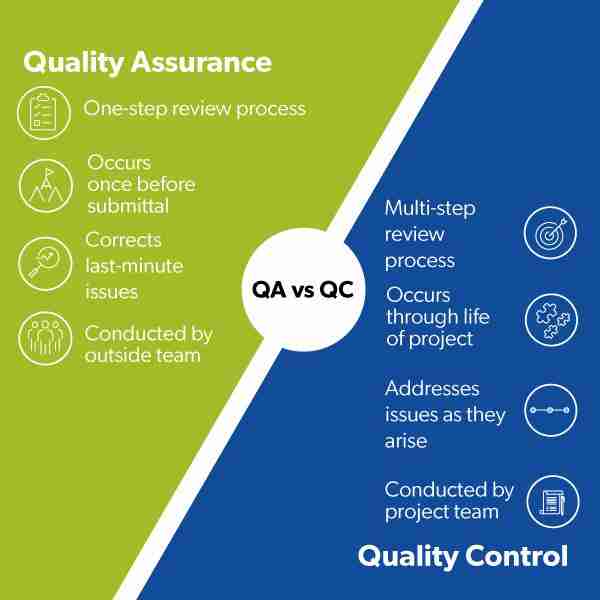
In the intricate world of cereal processing, maintaining quality control is paramount. At every stage—from grain selection to packaging—stringent measures are taken to uphold safety and consistency. The journey begins with rigorous testing of raw materials to ensure they meet established quality standards. Key aspects of quality control at this initial phase include:
- Moisture Content Analysis: Ensuring grains have the optimal moisture level for processing.
- Purity Tests: Assessing the absence of foreign materials and contaminants.
- Microbial Testing: Identifying potential spoilage organisms that could compromise safety.
As the process unfolds, each subsequent step is subject to meticulous scrutiny. Quality control continues during the cooking and drying phases, where critical metrics such as temperature and time are monitored to produce a consistent product. To illustrate this, consider the following factors tracked at these stages:
| Stage | Quality Control Measures |
|---|---|
| Cooking | Temperature monitoring to ensure proper starch gelatinization. |
| Drying | Humidity control to prevent over-drying and preserve texture. |
post-processing protocols, which involve packaging and distribution, are equally vital. These stages not only safeguard the freshness and integrity of the product but also include systematic inspections to ensure compliance with safety standards. Integrating technology, such as barcoding and tracking systems, allows for real-time quality monitoring, reinforcing our commitment to delivering the best possible cereals to consumers.

Innovative Trends and Future Directions: Shaping the Future of Cereal Production
As the world increasingly turns its focus to sustainable agriculture, the cereal industry is evolving rapidly. Innovations in precision agriculture are at the forefront of this transformation, allowing farmers to optimize their yield while minimizing resource waste. By utilizing data analytics, IoT devices, and drones, producers can monitor soil health in real-time, manage water usage more effectively, and predict crop performance with unprecedented accuracy. This technological shift not only aligns with eco-friendly practices but also enhances food security on a global scale, ensuring that we can feed an ever-growing population.
Additionally, the wave of plant-based diets and consumer demand for healthier, more nutritious options is pressuring cereal producers to rethink their offerings. This trend has sparked the adoption of alternative grains and innovative processing methods, leading to the emergence of products that cater to diverse dietary needs. Consider the following shifts in the market:
- Fortified Cereals: Enhanced with vitamins and minerals to support overall health.
- Organic Options: A rising demand for cereals made from non-GMO, organic grains.
- Gluten-Free Products: Increased accessibility for consumers with gluten sensitivity.
In parallel, researchers continue to explore the genetic modification of cereal crops to increase their resilience to pests and climate change, leading to more sustainable farming practices. The ongoing collaboration between agronomists and food scientists is set to redefine the industry, paving the way for cereals that not only meet market demands but also contribute positively to the environment.
The Way Forward
As we reach the conclusion of our exploration into the intricate world of cereal processing, it becomes evident that this seemingly simple breakfast staple is brimming with complexity and innovation. From the careful selection of grains to the precise methods of cooking, extrusion, and packaging, each step in the cereal production journey plays a pivotal role in delivering the final product to our tables.
Understanding the behind-the-scenes processes not only enhances our appreciation for the food we consume but also sheds light on the science and artistry involved in bringing convenience and nutrition into our daily lives. As we unravel the layers of this industry, we invite you to consider the future of cereal processing—how it adapts to emerging trends, sustainable practices, and the ever-evolving tastes of consumers.
In a world driven by constant change, the secrets of cereal processing remind us that even the most familiar foods carry stories worth telling. So the next time you pour a bowl of your favorite cereal, remember the journey it has taken—a journey filled with craftsmanship, innovation, and a commitment to quality that continues to evolve with time.



