
Transforming Kernels: The Art and Science of Corn Processing
In the heart of agriculture, where fields stretch golden under the sun, the humble corn kernel stands as a testament to both nature’s bounty and human ingenuity. With its origins dating back thousands of years, maize has transcended its role as a simple crop, evolving into a cornerstone of global food systems, industry, and culture. But what happens to these vibrant kernels after they are harvested? The journey from ear to edible is an intricate dance of art and science, where every step—from milling to fermentation—plays a crucial role in unlocking the full potential of corn.
This article delves into the fascinating world of corn processing, exploring the methods, technologies, and innovations that transform raw kernels into versatile ingredients used in everything from snacks to biofuels. Join us as we uncover the techniques that have refined the processing of corn through the ages, and celebrate the craft of those who have mastered the delicate balance of tradition and modernity. Whether you’re a culinary enthusiast, an industry professional, or simply curious about the food on your plate, prepare to embark on a journey that reveals the unseen artistry behind one of humanity’s most beloved grains.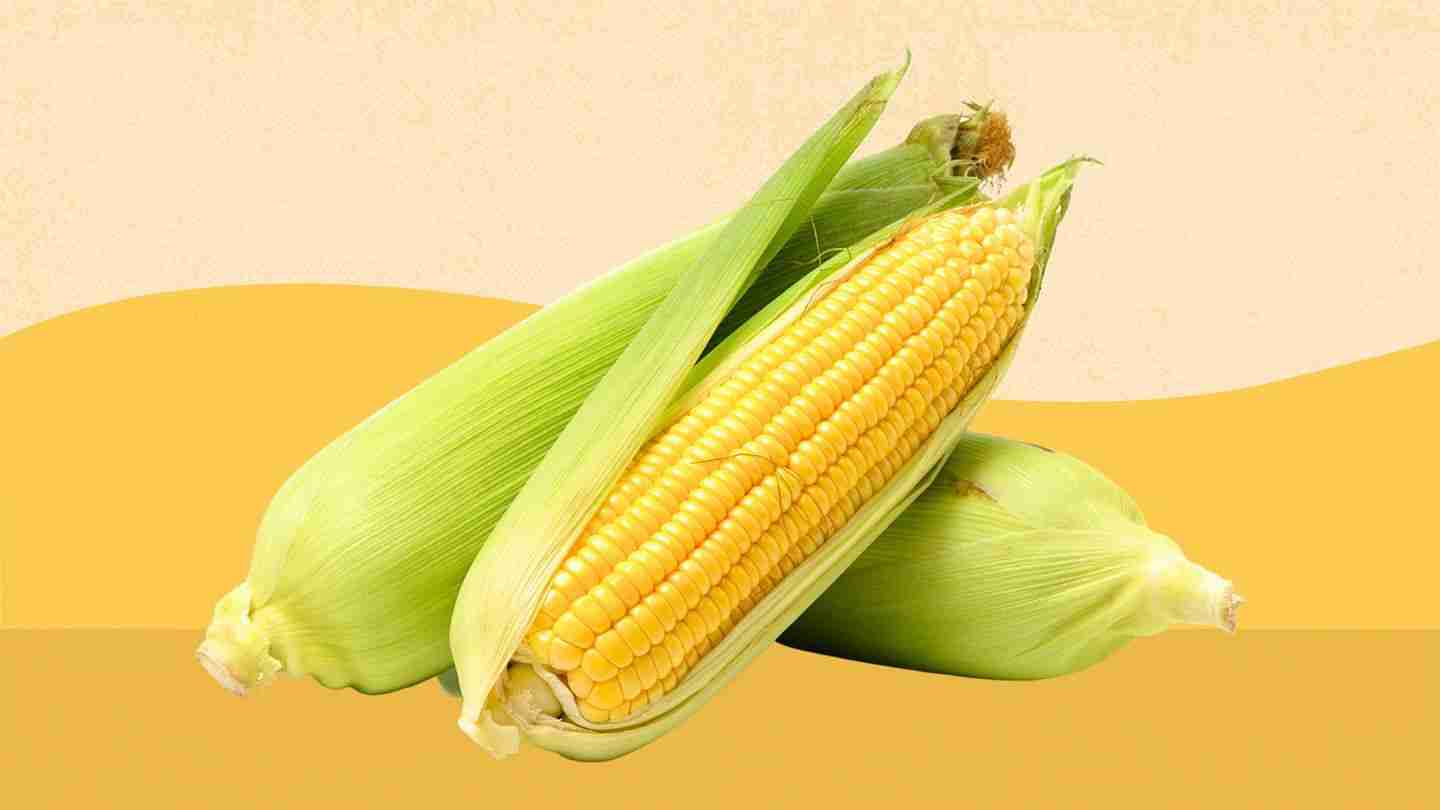
Unveiling the Versatility of Corn: A Deep Dive into Kernel Varieties
At the heart of a cornfield lies a diverse array of kernel varieties, each possessing unique characteristics that make them suitable for various applications. Dent corn, with its high starch content, is primarily utilized for animal feed and industrial products. Flint corn, known for its hard outer shell, serves as a staple in certain indigenous cuisines and is also favored for popping due to its robustness. Furthermore, sweet corn, the indulgent variety we relish during summer cookouts, is nurtured for direct human consumption, providing a sweet burst of flavor that can be enjoyed fresh or frozen. Each kernel variety carries its own culinary story, making them indispensable in the kitchen and beyond.
The processing of corn transforms these diverse varieties into valuable ingredients that permeate our daily lives. From creating corn syrup and corn oil to producing cornstarch for thickening sauces, the applications are virtually limitless. Innovative techniques in corn processing also foster the development of bioplastics and biofuels, showcasing the plant’s ecological versatility. This table exemplifies a few of the key processed products and their corresponding uses:
| Product | Kernel Type | Common Uses |
|---|---|---|
| Corn Syrup | Dent Corn | Sweetener in food & beverages |
| Corn Oil | Field Corn | Cooking oil, margarine |
| Cornstarch | Thickening agent, biodegradable packing | |
| Popped Corn | Flint Corn | Snack food, movie theaters |

Innovative Processing Techniques: From Field to Fork
Corn processing has evolved significantly, weaving together traditional practices with cutting-edge technologies to ensure each kernel transforms seamlessly from field to fork. Innovative milling techniques allow for more consistent particle sizes, leading to enhanced flavor and texture in the final products. Furthermore, advancements in biotechnology have introduced hybrid strains of corn that possess superior qualities, such as increased resistance to pests and higher nutritional value. These dynamic methods not only increase yield but also foster sustainability, reducing the environmental footprint associated with corn farming.
One fascinating processing technique gaining traction is dry fractionation, which separates the kernel into its constituent parts: starch, protein, and fiber. This process enables manufacturers to create specialized products tailored to diverse dietary needs. Table 1 highlights some of the key components derived from corn and their applications:
| Component | Application |
|---|---|
| Starch | Thickening agent, sweeteners |
| Protein | Meat alternatives, snacks |
| Fiber | Health products, cereals |
By utilizing methods such as wet milling, producers can extract valuable by-products that enhance the nutritional profile of corn-based foods. The careful balancing of art and science in corn processing reflects a broader trend toward innovation within the agricultural industry, ensuring that every stage of the journey respects the quality and integrity of the corn itself.
Nutritional Benefits of Processed Corn: Enhancing Diet with Flavor
Processed corn is not just a culinary ingredient; it also packs a punch when it comes to nutrition. This versatile grain, once transformed through methods such as milling and cooking, can serve as an excellent source of essential vitamins and minerals. Incorporating processed corn into meals can enhance dietary diversity, offering beneficial nutrients like:
- Vitamin B6: Supports metabolism and brain health.
- Folate: Vital for cell function and tissue growth.
- Magnesium: Important for muscle and nerve function.
- Fiber: Aids in digestion and promotes satiety.
Additionally, processed corn brings appealing flavor profiles to a variety of dishes while being relatively low in calories. Many derivatives—such as polenta, cornmeal, and tortillas—can replace less nutritious options, allowing for delicious and nutritious meals. The following table highlights some popular processed corn products along with their nutritional benefits:
| Processed Corn Product | Nutritional Highlight |
|---|---|
| Popcorn | Whole grain and high in fiber |
| Corn Flour | Gluten-free option rich in carbs |
| Corn Tortillas | Low in fat and high in fiber |
| Corn Grits | Rich in B vitamins and antioxidants |

Sustainability in Corn Processing: Balancing Efficiency and Eco-Friendliness
In the modern landscape of corn processing, the quest for sustainability intertwines seamlessly with the demand for efficiency. As processors innovate, they are called to adopt practices that not only enhance yield but also minimize environmental impact. By integrating renewable energy sources, such as solar and wind power, processors can significantly reduce their carbon footprint during various stages, from milling to fermentation. Additionally, advancements in technology allow for precise resource management, ensuring that water and energy are used judiciously throughout the production cycle.
Understanding the holistic approach required for sustainable corn processing involves considering the whole life cycle of the product. Key strategies include:
- Waste Reduction: Implementing methods to convert waste by-products into useful materials.
- Recycling and Reusing: Incorporating recycled water and materials back into the processing cycle.
- Innovative Agriculture: Employing sustainable farming practices that mitigate soil degradation and promote biodiversity.
Furthermore, collaborating with local farmers to source corn from eco-conscious farms can create a supply chain that emphasizes environmental stewardship. This not only bolsters local economies but also fosters a sense of community in achieving common sustainability goals.
Wrapping Up
the journey through the world of corn processing reveals a vibrant tapestry woven from both tradition and innovation. As we have explored, transforming kernels into a myriad of products not only honors agricultural heritage but also embraces cutting-edge technology, creating a bridge between the past and the future. From the humble cornmeal that graces our tables to the complex bioproducts that fuel industries, the art and science of corn processing embody a symbiotic relationship with nature and human ingenuity.
As we look ahead, it becomes increasingly clear that the future of corn processing holds exciting possibilities. With ongoing research and sustainable practices, the potential to unlock new flavors, textures, and applications remains vast. In a world that continues to seek answers to food security and environmental challenges, the adaptability of corn processing serves as a beacon of hope, reminding us that even the simplest of kernels holds the power to transform.
So, as you savor your next corn-based dish or consider the unseen processes behind everyday products, remember the intricate journey of these golden grains. The transformation of kernels is not just about what we consume; it is a reflection of our evolution, innovation, and resilience as a society. Let us celebrate the myriad possibilities that corn offers, ensuring that this fundamental crop continues to inspire and nourish generations to come.



