
In the early morning haze, as the sun peeks over the horizon, thousands of grains from sprawling fields embark on a transformative journey. From humble seeds nurtured by the earth to the finely milled flour that graces our tables, the process of cereal milling is both an art and a science. This intricate dance of technology and tradition not only ensures the sustenance of our daily lives but also embodies centuries of culinary heritage and innovation. In this article, we delve into the fascinating world of cereal milling, exploring the techniques that convert raw grains into versatile ingredients, the science that underpins each step, and the artistry that brings it all together in our kitchens. Join us as we uncover the rich tapestry woven from grain to plate, highlighting the skill and precision that go into one of humanity’s oldest crafts.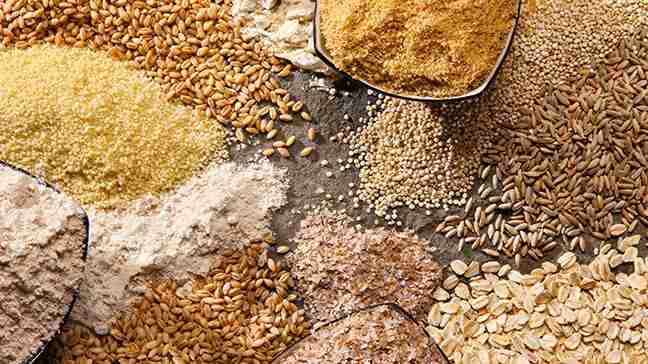
The Journey of Grains: From Harvest to Milling Process
The journey of grains begins with the meticulous process of harvesting. Farmers across the globe dedicate their lives to cultivating a variety of cereals, ensuring they receive the right amount of sunlight, water, and nutrients. Once the grains are ripe, they are carefully harvested, often using advanced machinery that minimizes damage. Key steps in the harvesting process include:
- Cutting: Specialized equipment cuts the grain heads from the stalks.
- Drying: Post-harvest, grains are dried to reduce moisture content, preventing spoilage.
- Storage: Properly stored grains maintain their quality until milling.
After the grains are harvested and stored, they embark on their next significant phase: milling. This process transforms whole grains into flour through various mechanical techniques, focusing on efficiency and precision. Flour milling often involves several stages, typically including:
- Cleaning: Grains are cleaned to remove impurities, ensuring quality.
- Grinding: The cleaned grains are ground, exposing the starchy interior.
- Sieving: The ground material is sifted to separate fine flour from coarser particles.
| Stage | Description |
|---|---|
| Cleaning | Removes dirt, stones, and other foreign materials. |
| Grinding | Breaks down grains into particles suitable for flour. |
| Sieving | Separates flour based on desired fineness. |

Transforming Whole Grains: Techniques for Optimal Flour Production
The transformation of whole grains into finely milled flour is a captivating interplay of art and science that begins with careful selection and preparation. Choosing the right grain variety is crucial, as each type brings unique flavor profiles and baking properties. Once the grains are selected, techniques such as soaking, steaming, or dry heat treatment can enhance milling efficiency and flavor. Soaking grains not only increases water absorption but also activates natural enzymes, paving the way for a richer, more aromatic flour.
Following the preparation, the milling process itself plays a pivotal role in flour quality. Utilizing methods like stone milling, where grains are crushed between two stones, yields a coarser, nutrient-dense flour due to minimal heat generation and a slower grinding process. In contrast, roller milling produces a finer and more uniform flour by passing grains through a series of steel rollers. The right choice of milling technique ultimately determines the flour’s purity and performance in baking. To illustrate the differences in flour types that arise from these milling techniques, refer to the table below:
| Flour Type | Milling Technique | Texture | Baking Use |
|---|---|---|---|
| Whole Wheat Flour | Stone Milling | Coarse, gritty | Artisan breads |
| All-Purpose Flour | Roller Milling | Fine, smooth | Cakes, pastries |
| Semolina Flour | Stone Milling | Granular | Pasta, bread |
| Gluten-Free Flour | Roller Milling | Varies by grain | Gluten-free products |
Nutritional Considerations: Balancing Flavor and Health Benefits
When it comes to cereals, achieving the perfect harmony between taste and nutritional value is akin to balancing a finely-tuned culinary instrument. Whole grains, in particular, offer a treasure trove of nutrients without compromising on flavor. They serve as an excellent source of dietary fiber, which aids in digestion and can help manage weight. Furthermore, incorporating a variety of cereals into meals delivers essential vitamins and minerals, including B vitamins, iron, and magnesium. By choosing less processed options, consumers can enjoy cereals that are not only satisfying but also rich in the nutrients critical for overall health.
To effectively bridge the gap between indulgence and wellness, it is essential to embrace variety in cereals while keeping in mind their unique flavor profiles. For instance, look at how different grains enrich dishes:
| Grain Type | Flavor Profile | Health Benefit |
|---|---|---|
| Quinoa | Nutty | Protein-rich, gluten-free |
| Barley | Earthy | High in fiber, supports heart health |
| Oats | Mildly sweet | Helps lower cholesterol |
| Bulgur | Lightly nutty | Rich in magnesium and iron |
Blending different grains not only enhances texture but can lead to a more nutritious meal overall. Simple methods, such as adding nuts, seeds, or dried fruits, can elevate the taste while contributing additional nutrients. By thoughtfully selecting and preparing cereals, individuals can savor delicious meals that also support their health goals.
Innovative Milling Technologies: Enhancing Efficiency and Sustainability
The world of milling is undergoing a dramatic transformation as innovative technologies take center stage. These advancements not only streamline processes but also prioritize sustainability, ensuring that the journey from grain to plate is as environmentally friendly as possible. Precision milling equipment equipped with sensors and automation allows for enhanced control over grain selection and flour quality, leading to less waste. With the adoption of energy-efficient machinery, mills are reducing their carbon footprints while increasing output. This convergence of efficiency and sustainability is reshaping the industry, making it essential for both producers and consumers to adapt to these pioneering methods.
Modern milling solutions increasingly focus on minimizing the environmental impact through a combination of cutting-edge techniques and renewable energy sources. Some of the key features of these innovative technologies include:
- Advanced Grain Processing: Enhances extraction rates by maximizing yield and minimizing waste.
- Sensor Technologies: Implement real-time monitoring for quality assurance and optimal resource usage.
- Closed-Loop Systems: Reduce water and energy consumption through recirculation methods.
Additionally, as the demand for whole grain and specialty flours increases, innovative milling methods such as stone milling are being combined with modern techniques. This fusion allows millers to produce high-quality products while maintaining the nutritional value of grains. The following table highlights the impact of these new milling technologies on sustainability metrics:
| Technology | CO2 Emissions Reduction (%) | Energy Consumption Reduction (%) |
|---|---|---|
| Energy-efficient Machinery | 30 | 25 |
| Closed-loop Water Systems | 40 | 20 |
| Automated Quality Control | 15 | 10 |
These advancements not only help millers to produce better products but also align with global sustainability goals, ensuring a brighter future for the industry as a whole.
In Conclusion
In the intricate dance between nature and nurture, the journey from grain to plate encapsulates a fascinating interplay of artistry and precision. As we’ve explored the nuanced processes of cereal milling, we have uncovered not just a means to an end, but a testament to human ingenuity. Each grain, with its unique potential, undergoes a transformation that is both scientific and creative—a fusion of traditional methods and innovative technology, shaping the staples of our daily lives.
As the flour makes its way from the mill to the baker, and ultimately onto our dining tables, it carries with it stories of cultivation, craftsmanship, and care. The next time you savor a warm slice of bread or a comforting bowl of pasta, take a moment to appreciate the journey it has undertaken. It is a reminder of the delicate balance we strike between sustaining tradition and embracing change, ensuring that the art of cereal milling continues to evolve while honoring its rich heritage.
In an ever-changing world, the commitment to quality, sustainability, and community remains at the heart of this age-old practice. As we move forward, let us celebrate the connections we forge through the food we share—a rich tapestry woven from the grains of our earth.



