
Unlocking the Grain: The Art and Science of Maize Milling
In the heart of every bustling kitchen and the foundations of countless cultures lies a humble yet powerful grain: maize. From the vibrant fields of the Americas to the diverse culinary landscapes across the globe, maize has played an indispensable role in shaping diets and traditions. But behind its golden kernels lies a complex world where art meets science—the intricate process of maize milling. Join us as we delve into the captivating journey of this staple crop, exploring the techniques and technologies that transform whole grains into versatile flours and meals. By unlocking the grain, we not only uncover the rich history of maize but also reveal the innovation and craftsmanship that elevate everyday ingredients into culinary masterpieces. Discover how the fusion of tradition and modernity continues to redefine this age-old process, celebrating the myriad flavors and textures that maize milling brings to our tables.
The Journey from Kernel to Flour: Understanding the Milling Process
The journey begins at the heart of agriculture, where golden maize kernels are harvested under the warm sun. These kernels are not just seeds; they are packed with potential and are the foundation for nourishing food products. Once harvested, the transformation from kernel to flour involves several meticulous steps, each designed to preserve and enhance the qualities of the maize. The first stage is cleaning, where impurities such as dirt, stones, and other debris are removed, leaving only the pristine kernels. This is followed by conditioning, in which moisture is added to ensure an optimal texture for milling, thus setting the stage for effective grinding.
Next comes the milling process itself, a fascinating blend of art and science. In this phase, the conditioned maize is subjected to various milling techniques, which can be classified into distinct methods, such as:
- Dry Milling: This method involves grinding the kernels without additional moisture, producing a fine flour ideal for bread-making.
- Wet Milling: Here, water is added to separate the components of maize, allowing for the extraction of starch and other valuable by-products, such as glucose syrup and biofuels.
Through these processes, the maize flour is refined and prepared for its final forms. After milling, the flour often undergoes additional testing for quality assurance, ensuring it meets specific standards. each kernel has a story, and through the intricacies of milling, these stories are transformed into culinary possibilities, ready to be explored and enjoyed.
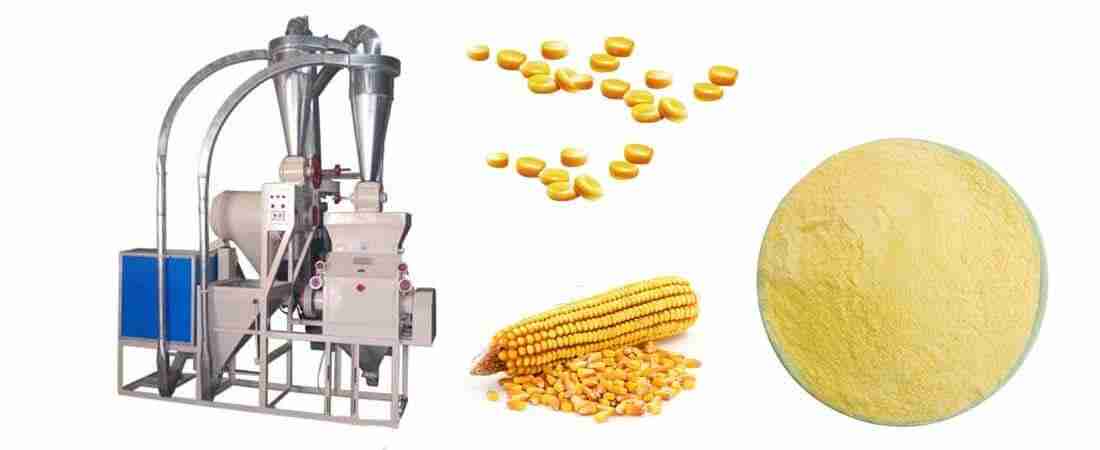
Innovative Techniques in Maize Milling: Balancing Tradition and Technology
As the world continues to embrace technological advancements, the maize milling industry finds itself at a pivotal intersection of tradition and innovation. Traditional milling techniques, which rely heavily on artisanal craftsmanship, preserve the unique flavors and nutrients of maize. Techniques such as stone milling and hand pounding are cherished for their ability to produce flour with distinctive textures and tastes. However, modern innovations like automated milling systems and precision milling machines offer enhanced efficiency and consistency. By incorporating these technologies, millers can ensure a higher quality product, meeting the diverse demands of both local and international markets.
To optimize the maize milling process, several innovative techniques have emerged, each contributing to improved outcomes. These methods include:
- Cold Milling: This technique minimizes heat exposure, preserving the integrity of the grain.
- Micro-Milling: Utilizing finer screens and advanced equipment to achieve an ultra-fine flour consistency.
- Quality Control Technology: Implementing real-time monitoring systems ensures consistent product quality.
- Eco-Friendly Practices: Incorporating sustainable techniques, such as waste recycling and energy-efficient machinery.
| Innovative Technique | Benefits |
|---|---|
| Cold Milling | Preserves flavor and nutrients. |
| Micro-Milling | Achieves finer flour consistency. |
| Quality Control Technology | Ensures consistency in products. |
| Eco-Friendly Practices | Reduces environmental impact. |
By integrating these innovative techniques while respecting traditional practices, maize milling can evolve to satisfy modern demands without losing its cultural significance. This balance enables millers to produce high-quality products that honor the legacy of maize while embracing the future of food production.

Nutritional Benefits of Maize Products: Enhancing Health Through Milling
The transformation of maize into various products is not just an art; it is a vital process that preserves and enhances the nutritional profile of this versatile grain. When milling maize, essential nutrients are thoughtfully retained or enriched, offering consumers a range of health benefits. Whole maize products, such as cornmeal and grits, are renowned for being excellent sources of dietary fiber, promoting digestive health. Additionally, they are rich in B vitamins, which play a crucial role in energy metabolism, supporting the body’s nutritional needs and daily functioning.
Furthermore, the milling process can enhance the bioavailability of certain nutrients found in maize, making them easier for the body to absorb. Health-conscious individuals will find it particularly appealing that maize is naturally gluten-free, making it a safe alternative for those with gluten sensitivities or celiac disease. The following nutrients found in maize products contribute to overall health:
- Phytochemicals: Important for reducing inflammation and combating oxidative stress.
- Iron: Essential for healthy blood circulation and energy levels.
- Magnesium: Supports muscle and nerve function.
| Nutrient | Benefit |
|---|---|
| Dietary Fiber | Enhances digestion and helps regulate blood sugar levels |
| B Vitamins | Boosts energy metabolism and improves cognitive functions |
| Antioxidants | Reduces risk of chronic diseases |

Sustainable Practices in Maize Milling: Cultivating a Greener Future
As the global demand for maize continues to rise, it becomes increasingly vital to implement practices that not only enhance productivity but also protect the environment. One of the most promising innovations in maize milling is the adoption of renewable energy sources, such as solar and wind power, to operate milling machinery. This shift helps reduce the carbon footprint associated with traditional fossil fuels. Additionally, implementing water conservation techniques, such as rainwater harvesting and efficient irrigation systems, ensures that milling facilities can operate without depleting local water supplies. Such initiatives not only yield economic benefits but also contribute to the sustainability of surrounding ecosystems.
Another key aspect of sustainable maize milling lies in the careful management of by-products. Techniques like bioenergy production from husks and cobs allow milling facilities to convert waste materials into biomass energy, closing the loop in the production process. Engaging in responsible sourcing by partnering with local farmers encourages biodiversity and reduces transportation emissions. Furthermore, maintaining organic practices within maize cultivation ensures the grains produced are free from harmful chemicals, enhancing both the product quality and the health of the soil. The table below illustrates the different sustainable strategies and their potential benefits:
| Strategy | Benefits |
|---|---|
| Renewable Energy Use | Reduces carbon emissions and lowers energy costs |
| Water Conservation | Preserves local water resources and improves efficiency |
| Waste Reutilization | Generates biomass energy and decreases landfill waste |
| Responsible Sourcing | Supports local economies and lowers transportation footprint |
| Organic Cultivation | Enhances soil health and produces healthier grains |
Closing Remarks
As we conclude our exploration of “Unlocking the Grain: The Art and Science of Maize Milling,” we find ourselves at the intersection of tradition and innovation. This age-old practice, steeped in cultural significance and technological advancement, reveals more than just the process of transforming corn into flour; it tells a story of sustainability, craftsmanship, and the interplay between man and nature.
As we have seen, the journey of maize from field to mill involves meticulous attention to detail, where each kernel holds the promise of nourishment and creativity. The delicate balance between artisanal methods and modern machinery harmonizes to not only preserve the integrity of the grain but also unlock its full potential for culinary delight.
In a world increasingly characterized by rapid change and industrialization, it is vital to recognize the crucial role that maize milling plays in our food systems. Whether it’s the artisanal producer highlighting heritage varieties or the large-scale operations innovating in efficiency and quality, the art and science of maize milling continue to shape our diets, our cultures, and our futures.
As you close this chapter on maize milling, let it inspire a deeper appreciation for the grains that grace our tables. In every bite of cornbread, tortilla, or polenta, remember the hands and processes that brought them to life, and reflect on how we can honor these traditions while embracing the possibilities that lie ahead. After all, in unlocking the grain, we unlock not only flavor but also a connection to the land and to one another.



