
Unlocking the Secrets of Maize Milling: A Comprehensive Guide
In the heart of countless kitchens and bustling markets around the world lies an ingredient that has shaped culinary traditions and nourished generations: maize. From the soft tortillas of Mexico to the hearty polenta of Italy, maize is more than just a staple; it is a versatile canvas for cultures to express their flavor and creativity. Yet, behind the scenes of these delicious dishes often rests a complex process—milling. How does the transformation from golden kernels to fine flour occur? What techniques and technologies are employed to maximize quality and efficiency? In “Unlocking the Secrets of Maize Milling: A Comprehensive Guide,” we invite you on an enlightening journey through the intricacies of maize milling. Whether you’re a food enthusiast, a commercial producer, or simply curious about the grains that form the foundation of so many meals, this guide will unravel the essential methods, equipment, and innovations that define the maize milling industry today. Join us as we delve into the science, art, and tradition of maize milling, equipping you with the knowledge to appreciate this age-old craft.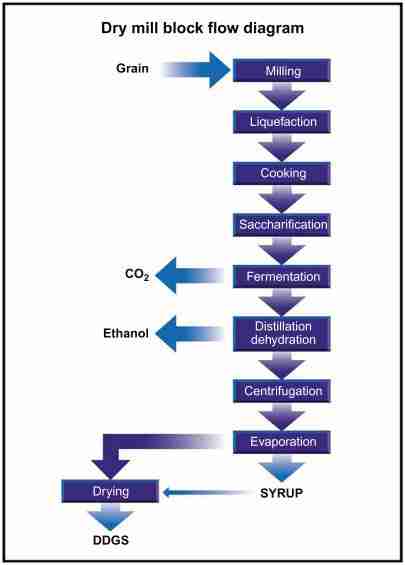
Understanding the Maize Milling Process and Its Importance
The maize milling process is a meticulous journey that transforms raw grains into a variety of products, each with distinct applications and culinary significance. This process begins with cleaning the maize to remove impurities and foreign materials, ensuring that what enters the mill is of the highest quality. Following this, the maize is subjected to conditioning, where it is soaked in water to soften the kernels, making the subsequent grinding more effective. The actual milling involves the use of mechanical equipment that crushes the grain, separating the endosperm from the bran and germ, ultimately producing flour and meal products that cater to diverse market needs.
The importance of milling maize cannot be overstated, as it plays a pivotal role in food security, nutrition, and economic stability across various regions. Different milling techniques yield products like corn flour, cornmeal, and grits, each tailored for specific culinary traditions. Moreover, understanding the properties of these products allows producers and consumers to appreciate the versatility of maize. Here are some key aspects illustrating its significance:
- Food Diversity: Enables the creation of dishes ranging from tortillas to polenta.
- Nutritional Value: Provides essential nutrients that contribute to a balanced diet.
- Economic Impact: Supports local economies through jobs and agricultural development.
Essential Equipment for Efficient Maize Milling Operations
Efficient maize milling operations hinge on the right equipment to ensure quality and productivity. At the core of any successful milling facility are high-quality milling machines designed to break down kernels into flour, meal, or grits while preserving their nutritional value. A robust dehuller is essential for removing the outer husk of maize, which is crucial for achieving a clean end product. Coupled with a roller mill, these machines help to achieve various granular textures, allowing producers to cater to diverse market needs.
In addition to milling machines, ancillary equipment plays a pivotal role in streamlining production processes. Efficient transport systems such as bucket elevators and conveyor belts ensure the seamless movement of grains to and from machinery, reducing handling time and labor costs. Also, quality control measures should be in place, including sifting machines to ensure consistency and a selection of screens to remove impurities and oversized particles. To summarize, the combination of primary milling machines and supportive technology creates a well-oiled milling operation, enhancing output and maintaining product integrity.
Key Factors Influencing Grain Quality and Yield
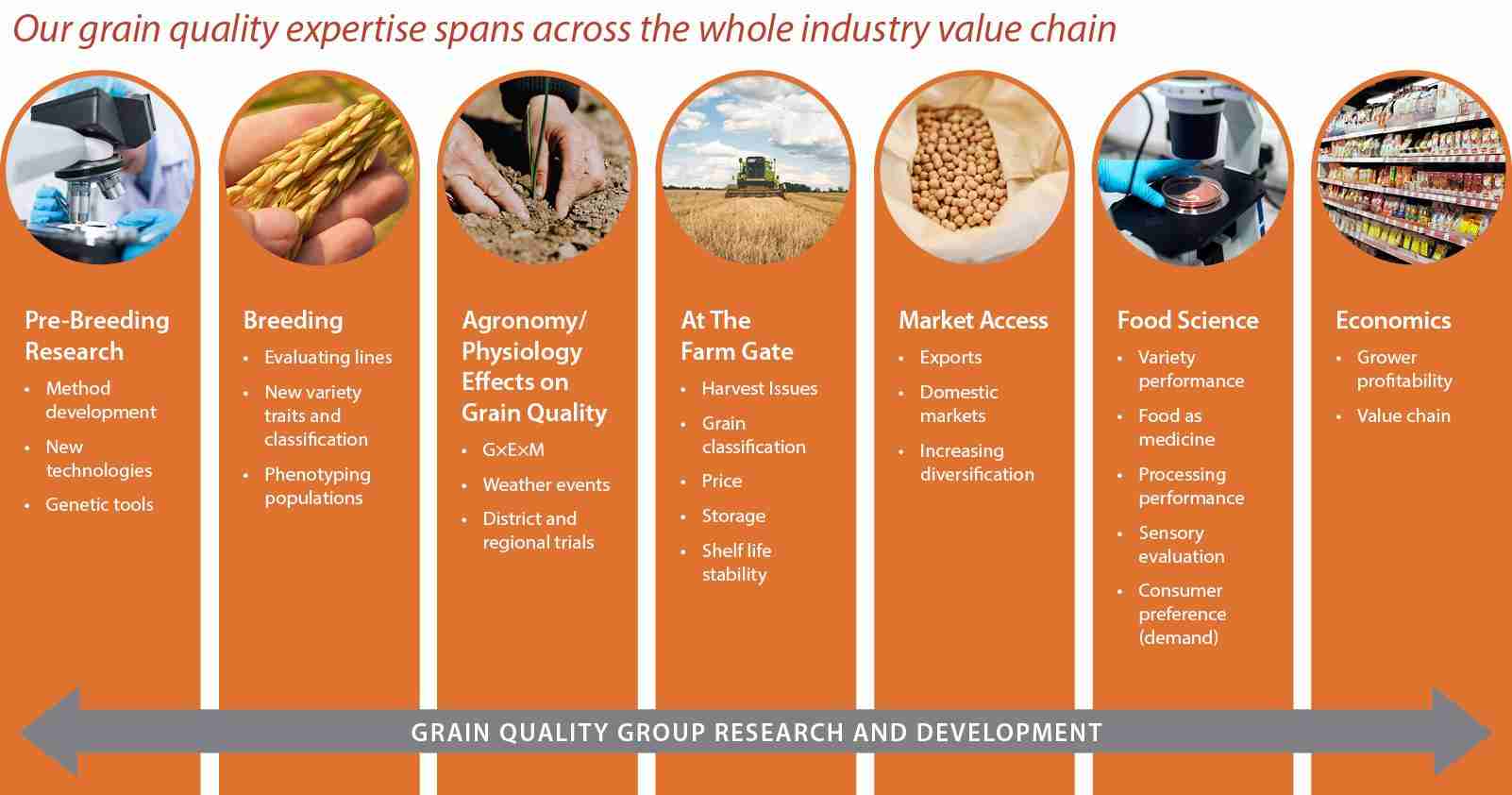
Understanding the nuances of grain quality and yield is crucial for anyone involved in maize milling. Several elements play a pivotal role in determining the overall health of the crops and the subsequent quality of the grains produced. Among these, soil conditions are foundational, as the right pH levels and nutrient balance significantly influence plant growth. Another critical factor is weather conditions, including temperature and precipitation, which impact the timing of planting and the crop’s maturation process. Additionally, pest and disease management cannot be overlooked; an effective strategy to control these threats ensures that high-quality crops can be harvested.
Moreover, post-harvest handling practices are integral to maintaining grain integrity. Key practices include proper drying methods to reduce moisture content, thus preventing mold and spoilage. Storage facilities must also be optimized to protect against infestations and environmental damage. Furthermore, milling techniques greatly affect the final product quality. Advanced milling processes that minimize grain damage and maximize extraction rates lead to more nutritious and appealing maize products. The synergy of these factors forms the bedrock of successful maize production, ultimately unlocking the full potential of this essential grain.

Exploring Advanced Techniques for Optimal Milling Efficiency
Maximizing milling efficiency can be achieved through the integration of advanced techniques that optimize each step of the milling process. One essential strategy involves the precise control of moisture content in maize prior to milling. Maintaining ideal moisture levels not only enhances the yield but also reduces wear on milling equipment. This can be achieved through methods such as:
- Drying Systems – Utilizing advanced drying techniques to bring moisture to optimal levels.
- Monitoring Technology - Implementing moisture sensors at various stages to ensure consistency.
- Storage Practices - Using climate-controlled environments to preserve maize quality before milling.
Another significant aspect of improving milling efficiency is the optimization of machinery used in the milling process. Investing in state-of-the-art milling machines equipped with automated systems can dramatically reduce production times and increase output. Moreover, employing maintenance schedules for machines ensures that they operate at peak capacity, minimizing downtime. Consider this table highlighting key machinery components:
| Component | Function | Impact on Efficiency |
|---|---|---|
| Grinders | Reduce grain size for better milling | Enhanced extraction rates |
| Separators | Separate the flour from the bran | Higher quality end products |
| Blenders | Mix different grades | Consistent flour quality |
To Wrap It Up
As we draw the curtain on our exploration of maize milling, it’s clear that every kernel holds a world of possibilities. From the age-old techniques passed down through generations to the cutting-edge technologies shaping the modern milling landscape, this guide has unraveled the intricate processes that transform humble maize into a staple that nourishes countless lives.
We have journeyed through the stages of preparation, grinding, and refinement, unlocking not just the secrets of milling but also the deeper connection between this vital crop and the communities that depend on it. As you embark on your own maize milling endeavors, remember that each step, from selecting the right variety to perfecting the grind, contributes to the larger tapestry of food production and cultural heritage.
May the insights gained from this comprehensive guide empower you to experiment, innovate, and appreciate the artistry involved in milling maize. Whether you’re a seasoned miller or a curious newcomer, may your journey be filled with discoveries that enhance both your palate and your understanding of this remarkable grain. The secrets of maize milling are now yours to unlock—happy milling!



