
In the bustling morning routine of millions, the humble bowl of cereal often takes center stage, transforming from an unassuming pantry staple into a comforting ritual. But have you ever paused to consider the journey it undertakes before reaching your breakfast table? “From Grain to Bowl: The Art of Cereal Processing Unveiled” invites you to embark on an exploration of this fascinating transformation. Delving into the intricate processes that turn harvested grains into the crispy morsels we know and love, we will uncover the craftsmanship and technology that play pivotal roles in shaping our daily sustenance. Join us as we peel back the layers of this ubiquitous food, revealing the meticulous practices behind its production, the science of flavor and nutrition, and the dedicated hands that ensure each bite is simply delightful.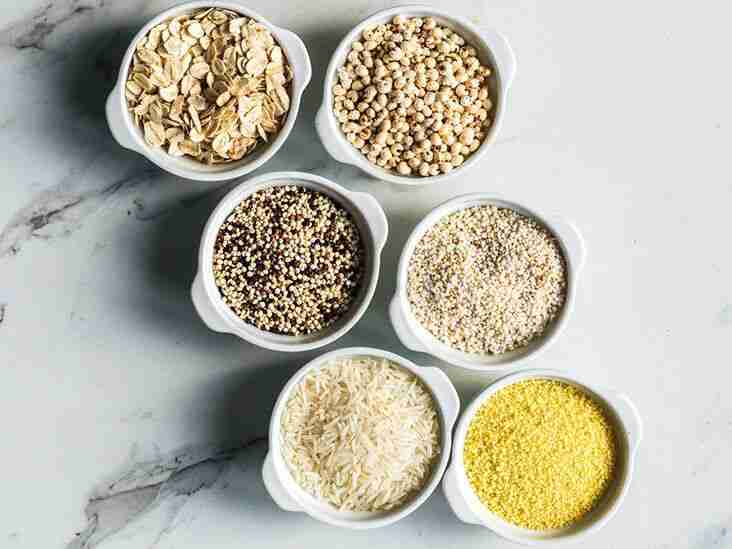
Understanding the Journey of Grain: From Harvest to Processing
Once grains are harvested from the field, they embark on an intricate journey that transforms them from simple seeds into the beloved cereals we enjoy every morning. The immediate step after harvest involves drying the grains, ensuring moisture levels are optimal for storage and processing. This is followed by cleaning, where impurities and unwanted materials are meticulously removed to ensure only the finest grains proceed to the next phase. Following cleaning, mills commence the milling process. This stage is vital as it not only grinds the grains into flour or flakes but also separates the bran and germ from the endosperm, a process that dictates the final product’s texture and nutritional value.
After milling, the grains undergo enrichment to restore or enhance lost nutrients, a practice especially common with breakfast cereals. These enriched products are then subjected to extrusion, a high-heat and high-pressure technique that shapes the grains into familiar forms, such as puffs or flakes, while locking in flavors and enhancing digestibility. Once the grains have taken their preferred shapes and textures, they are ready for packaging. Here, attention to detail is paramount, as packages must not only protect the cereal but also attract consumers. Ultimately, every step of this journey is crafted with precision, revealing the artistry behind the simple bowl of cereal we cherish.
Unlocking Nutritional Value: The Science Behind Cereal Ingredients
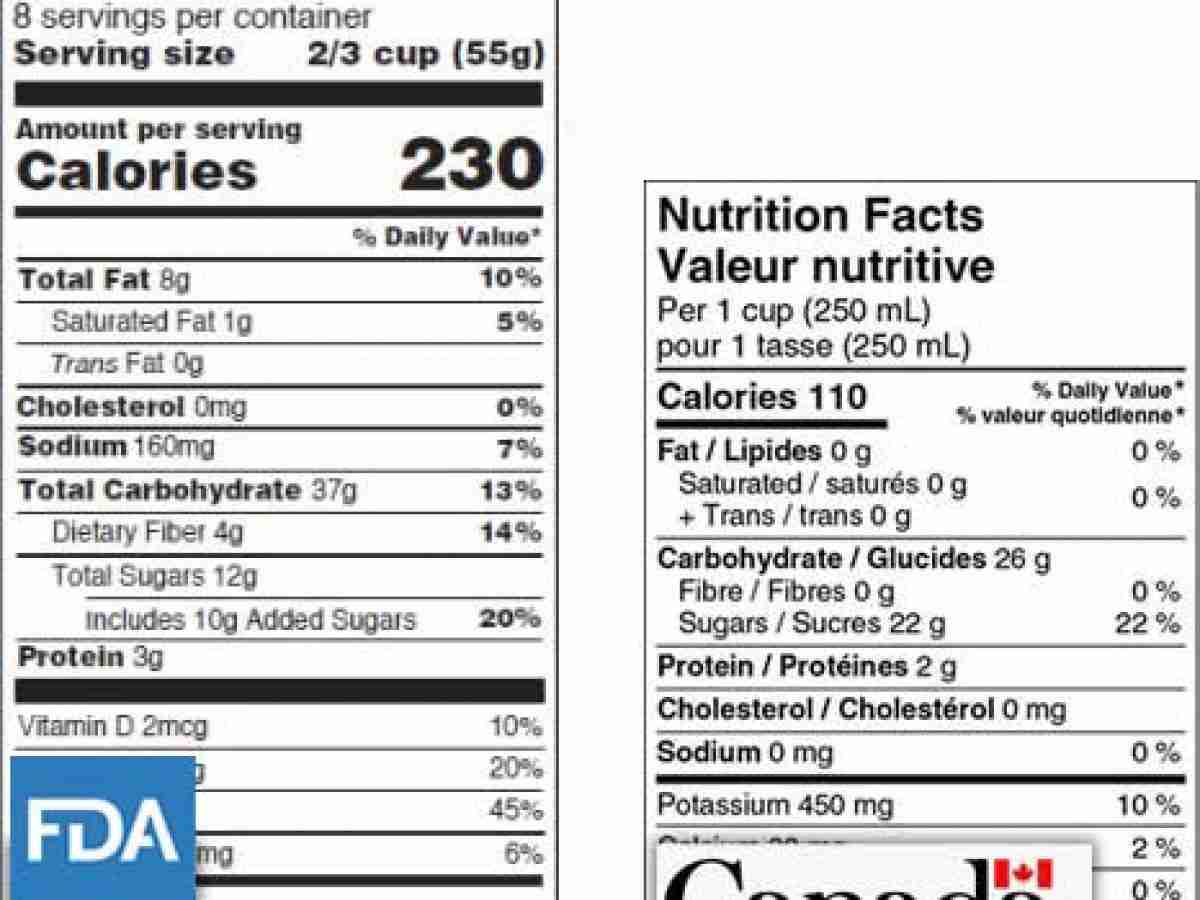
Every bowl of cereal begins its journey with carefully selected grains that lay the foundation for nutritional value and flavor. Whole grains, such as wheat, oats, corn, and rice, undergo a transformation process that enhances their inherent properties. During processing, essential nutrients like fiber, protein, and vitamins are preserved or even fortified. Innovative milling techniques break down the grain structure, promoting easier digestion and nutrient absorption. The precise balance of carbohydrates and healthy fats is maintained, ensuring that consumers enjoy a wholesome start to their day, complete with sustained energy release.
Additionally, various natural ingredients play a significant role in enriching cereal profiles. Manufacturers often incorporate elements such as dried fruits, nuts, and seeds, contributing not only taste but also a plethora of micronutrients. Here’s a look at some common additives and their benefits:
| Ingredient | Nutritional Benefit |
|---|---|
| Dried Berries | Rich in antioxidants, improving heart health |
| Almonds | High in healthy fats, aiding in satiety |
| Chia Seeds | Excellent source of omega-3 fatty acids |
| Coconut Flakes | Boosts fiber content for digestive health |
This sophisticated blend of ingredients not only enhances taste but also caters to various dietary preferences, making cereals a preferred choice for a diverse range of consumers. By understanding the science behind these elements, enthusiasts can appreciate the intricate craftsmanship involved in bringing each unique cereal to life.

Innovative Techniques in Cereal Manufacturing: Crafting Quality Bowls
In the evolving landscape of cereal manufacturing, innovation plays a pivotal role in transforming simple grains into hearty breakfast staples. Techniques such as extrusion, flaking, and puffing have revolutionized how cereals are produced, allowing manufacturers to retain essential nutrients while enhancing texture and flavor. Extrusion, for instance, utilizes high temperatures and pressure to reshape grains into unique forms, resulting in cereals that not only look appealing but also enhance the eating experience. This method allows for the incorporation of other ingredients such as fruits, nuts, or even proteins, catering to the growing health-conscious market.
Moreover, strides in technology have introduced precision baking and cold grinding, which significantly improve the quality of the final product. Cold grinding minimizes heat exposure during milling, preserving the grain’s natural oils and flavors that are often lost in traditional methods. In addition, advanced quality control measures such as vision systems and machine learning algorithms ensure consistency and reduce defects, providing consumers with a reliable and enjoyable bowl every time. The integration of sustainable practices is also gaining traction, with many manufacturers now incorporating recycled materials and low-energy processes that align with eco-friendly initiatives, further enhancing the appeal of modern cereals.
Sustainable Practices in Cereal Production: A Path Towards Eco-Friendly Choices
In recent years, the rise of sustainable practices in cereal production has transformed the industry, paving the way for eco-friendly choices that align with a growing commitment to environmental stewardship. Farmers are increasingly adopting techniques such as crop rotation, which helps maintain soil health and reduce reliance on chemical fertilizers. Other methods include integrated pest management (IPM), which employs natural predators to manage pests, thus minimizing chemical interventions. By focusing on biodiversity and employing cover crops, producers not only improve the resilience of their agricultural systems but also enhance the nutritional quality of the grains they produce.
The implementation of sustainable practices extends beyond the fields and into the processing facilities. Many companies are now exploring renewable energy sources to power their operations, significantly reducing their carbon footprint. Water conservation techniques, such as recycling and rainwater harvesting, are also becoming standard in cereal processing. Transparent supply chains are essential, as they allow consumers to make informed decisions. To illustrate this shift, here is a snapshot of some key practices being adopted within the cereal industry:
| Sustainable Practice | Description |
|---|---|
| Organic Farming | Utilizes natural fertilizers and pest control methods, avoiding synthetic chemicals. |
| Water Management | Incorporates efficient irrigation solutions and recycles water used in processing. |
| Local Sourcing | Supports regional farmers, reducing transportation emissions and promoting local economies. |
| Waste Minimization | Implements practices to reduce waste and recycle by-products in the manufacturing process. |
The Conclusion
As we journeyed through the intricate world of cereal processing, we uncovered the meticulous craftsmanship that transforms humble grains into the breakfast staples we cherish. From the lush fields where grains are harvested to the bustling mills where they are finely processed, each step is a testament to human ingenuity and the age-old relationship between nature and nourishment.
In the quiet moments of our morning routines, let us take a moment to appreciate the art and science behind every spoonful of cereal. Each bowl brims with stories of sustainability, tradition, and innovation—reminders of the complex journey from grain to bowl. In celebrating this process, we not only honor the work of those who dedicate their lives to cereal production but also foster a deeper connection to the food that fuels our days.
The next time you pour your favorite cereal, remember the dedicated hands that brought it from the fields to your table. This exploration into the art of cereal processing invites us to reflect on the significance of what we consume and how it connects us to a larger narrative of agriculture, industry, and personal well-being. As we finish our exploration, may we continue to seek out the stories behind our food, ensuring that each bite is savored, enjoyed, and appreciated.



