
In the lush green fields of rural landscapes, where golden grains sway gently in the breeze, the journey of rice begins long before it reaches our plates. At the heart of this agricultural symphony lies an unsung hero: the paddy processing unit. These vital hubs are not just factories; they are crucial players in the transformation of raw paddy into the polished grains that nourish millions. As the demand for rice continues to soar in an ever-growing global population, the role of these processing units becomes increasingly significant. From ensuring quality and enhancing shelf life to maximizing economic returns for farmers, paddy processing units are at the forefront of agricultural innovation. In this article, we will explore how these facilities not only streamline production but also contribute to sustainability and food security, shedding light on their intricate processes and the impact they have on communities around the world. Join us as we delve into the transformative world of paddy processing and uncover the intricate methods that help harvests reach their full potential.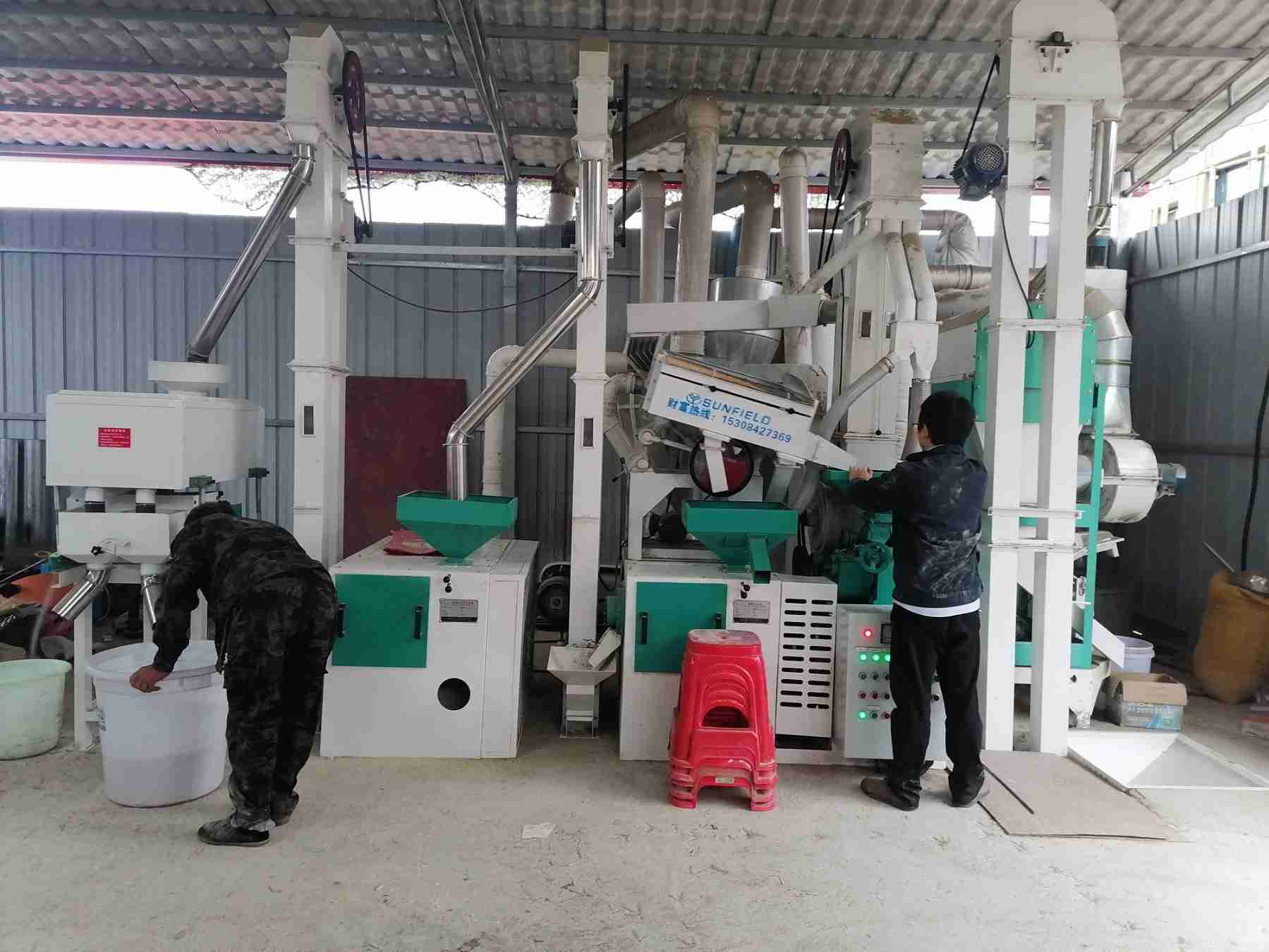
Understanding the Importance of Paddy Processing Units in Modern Agriculture
Paddy processing units are essential for enhancing the quality and value of rice, a staple grain that feeds billions across the globe. By transforming harvested paddy into clean, edible rice, these facilities play a vital role in bridging the gap between agricultural production and consumer needs. The importance of these units extends beyond mere processing; they contribute to the socioeconomic development of rural areas by creating jobs and fostering local entrepreneurship. Key components of their effectiveness include:
- Improved Efficiency: Automation in processing leads to higher output with reduced labor costs.
- Quality Control: Modern units utilize state-of-the-art technology to ensure grains meet market standards.
- Waste Reduction: Effective processing minimizes losses, maximizing the yield from every harvest.
Furthermore, paddy processing units engage in sustainable practices that benefit both producers and the environment. By employing practices such as water and energy conservation, they help mitigate the ecological impact of rice production. Additionally, these units often facilitate value addition through polishing, fortifying, or packaging rice products, allowing farmers to receive better prices for their produce. A comparison of processed and unprocessed rice highlights the value addition achieved through these facilities:
| Characteristic | Unprocessed Rice | Processed Rice |
|---|---|---|
| Shelf Life | Shorter | Longer |
| Nutritional Value | Lower | Higher (if fortified) |
| Market Demand | Limited | High |
| Price per KG | Lower | Higher |

Enhancing Efficiency: Innovations in Paddy Processing Techniques
In recent years, the push for enhanced productivity has led to significant innovations in paddy processing techniques, effectively reducing time and labor costs while increasing yields. Advanced technologies such as mechanized harvesting, automatic milling and drying systems, and high-efficiency hullers have revolutionized traditional practices. These improvements not only streamline operations but also uphold the quality of the grain, ensuring that paddy retains its nutritional value and market appeal. With the integration of smart monitoring systems, farmers can now gather data on moisture levels and grain conditions in real-time, optimizing their processing methods to suit varying climates and paddy varieties.
In addition to mechanization, efforts focus on sustainable practices that minimize environmental impact. For example, the introduction of biomass energy systems for drying paddy not only reduces reliance on fossil fuels but also provides an alternative revenue stream for farmers. Furthermore, community-based paddy processing units are gaining traction, allowing smallholder farmers to come together, share resources, and invest in shared technology. This collaboration fosters knowledge exchange and achieves economies of scale, leading to better access to markets and enhanced profitability. these innovative approaches are redefining paddy processing into a more efficient, sustainable, and collaborative endeavor.

Sustainability Practices in Paddy Processing for Environmental Stewardship
In the realm of paddy processing, sustainability is not merely an option; it is a necessity that defines the future of agricultural practices. By adopting eco-friendly methods, processing units can significantly reduce their environmental footprint while enhancing the quality of the final product. Innovations such as the use of renewable energy sources, water recycling systems, and organic waste management can transform conventional operations into greener alternatives. This commitment to sustainability is evident through:
- Reduction of Water Usage: Implementing efficient irrigation and processing techniques minimizes water waste.
- Energy Efficiency Initiatives: Upgrading machinery to energy-efficient models reduces reliance on fossil fuels.
- Organic Waste Compounding: Converting byproducts into compost or biofuel promotes a circular economy.
Moreover, the impact of sustainable practices extends beyond paddy processing units to the broader agricultural ecosystem. By assessing carbon emissions and embracing climate-smart technologies, stakeholders can actively participate in global efforts to combat climate change. The following table illustrates key benefits of sustainable paddy processing methods:
| Benefit | Description |
|---|---|
| Enhanced Soil Health | Improves nutrient cycling and reduces soil erosion. |
| Lower Greenhouse Gas Emissions | Utilizes cleaner technologies to decrease the carbon footprint. |
| Better Resource Management | Promotes efficient use of inputs like water and fertilizers. |
Empowering Farmers: The Economic Benefits of Local Processing Units
The establishment of local processing units for paddy not only combats the challenges of post-harvest loss but also catalyzes significant economic development for farming communities. By facilitating the transformation of raw paddy into value-added products, farmers can access wider markets while increasing their income per harvest. This shift not only enhances their financial stability but also sustains local economies, creating a ripple effect that can elevate entire communities. Some key economic advantages include:
- Job Creation: Local processing facilities create employment opportunities, from processing to distribution, benefiting the local labor force.
- Higher Profit Margins: By participating directly in processing, farmers can capture a higher portion of the value chain.
- Stability in Pricing: Local units help stabilize prices by mitigating the influence of volatile market conditions.
- Increased Investment: The presence of processing units can attract investments in related sectors, such as logistics and marketing.
Additionally, these processing units can contribute to the sustainability of agriculture by promoting environmentally friendly practices. By minimizing waste through efficient processing methods and utilizing by-products as animal feed or bioenergy, farmers can enhance the ecological resilience of their operations. Moreover, when local processing units engage with farmers collaboratively, it fosters knowledge exchange and innovation in sustainable techniques. Consider the following advantages:
| Advantage | Description |
|---|---|
| Reduced Waste | Efficient processing maximizes use of every part of the paddy. |
| Community Engagement | Processing units often involve local farmers in decision-making. |
| Innovation | Collaboration opens avenues for new techniques and products. |
Future Outlook
In concluding our exploration of “Transforming Harvests: The Role of Paddy Processing Units,” it becomes evident that these units stand as vital pillars in the agricultural landscape. By transforming raw paddy into market-ready products, they not only enhance the economic viability for farmers but also ensure food security for communities worldwide. The intricate processes involved in paddy processing are a testament to human ingenuity and the relentless pursuit of efficiency in food production.
As we reflect on the journey from field to table, it is clear that paddy processing units do more than merely refine grains; they weave the fabric of rural economies, create employment opportunities, and foster a sustainable approach to agriculture. The innovations and improvements in processing technology continue to pave the way for a brighter future, where quality and sustainability are intertwined.
In this ever-evolving narrative, it is our duty as consumers and stakeholders to support and invest in these transformative systems. By recognizing the importance of paddy processing, we can contribute to a global ecosystem that values agricultural integrity while ensuring that the harvests of today lead to the prosperity of tomorrow. As we move forward, let us embrace the potential of these units to not only enhance our plates but also to nourish the world itself.



