
From Field to Plate: The Journey of Paddy Processing
In the heart of lush green landscapes, where the gentle sway of rice paddies paints a serene picture, a remarkable transformation begins. Each year, millions of farmers dedicate their efforts to nurturing these golden grains, embarking on a journey that connects the earth to our tables. The path from field to plate is intricate and multifaceted, woven with the traditions of agriculture, the precision of technology, and the artistry of culinary expertise. This article invites you to explore the fascinating process of paddy processing—a journey marked by cultivation, harvesting, milling, and ultimately, the delight of consumption. As we delve into each stage, we uncover not just the mechanics of turning paddy into rice, but also the cultural significance and economic impact of this staple food that nourishes billions across the globe. Join us as we uncover the story behind the grain that has fueled civilizations for centuries, highlighting the intricate processes that ensure quality and sustainability, from farm to fork.
Exploring the Harvest: Understanding the Paddy Cultivation Process
Paddy cultivation is a meticulous process that begins with careful land preparation. Farmers start by selecting the right seed variety, which is crucial for achieving a successful harvest. After choosing the seeds, the land is plowed and leveled to create a suitable seed bed. Following this, water management becomes vital; fields are flooded to create the ideal growing conditions for the young rice plants. As the seedlings are sown, they will float and take root, establishing themselves in the damp soil. Fertilization and pest management play crucial roles throughout the growth stages to ensure robust plant development and high yield.
As the paddy matures, farmers closely monitor the weather and moisture levels, timing the harvest to maximize grain quality. The harvesting process involves cutting the rice plants and gathering the sheaves for drying. Once dried, the paddy undergoes a series of steps to transform it into edible rice. This includes threshing, where the grains are separated from the stalks, followed by cleaning, and finally milling to remove the husk and bran layers. Each of these steps is essential for ensuring that the rice is both nutritious and palatable. The journey from field to plate is marked by a deep understanding of agricultural practices and food processing techniques that highlight the importance of paddy cultivation in our diets.
From Threshing to Milling: Key Steps in Paddy Processing
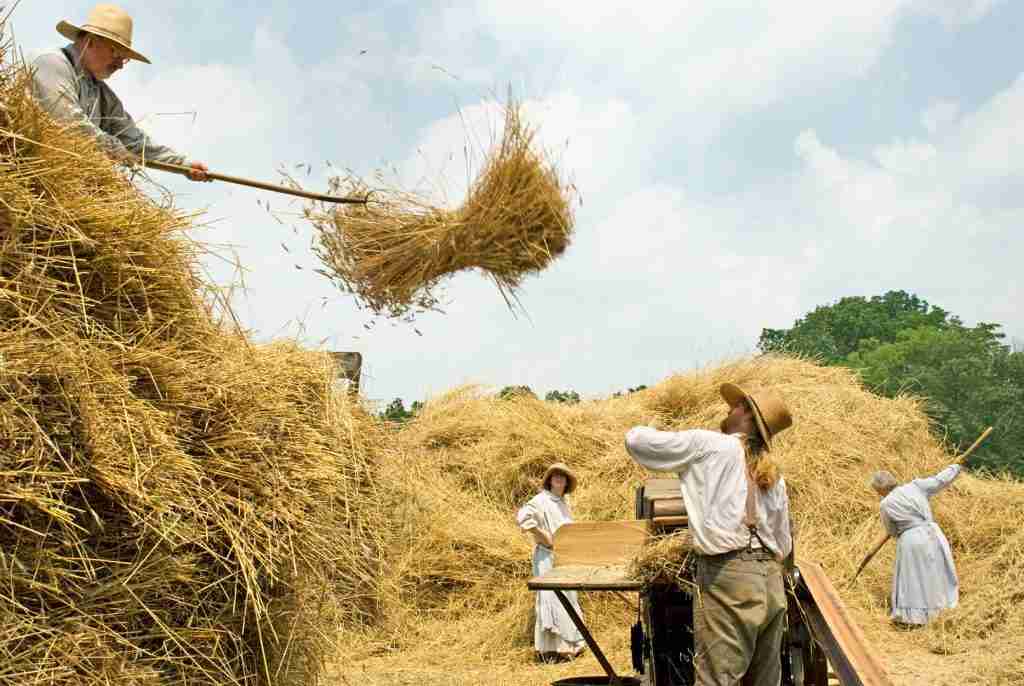
Once the paddy is harvested from the fields, it undergoes a crucial transformation process that starts with threshing. This step involves separating the grain from the chaff, a task traditionally done by hand but now often mechanized for efficiency. The use of threshers allows for a faster and more effective separation, ensuring that the grains remain intact for the next stages. After threshing, the freshly separated grains are dried to reduce moisture content, which is vital for preventing spoilage. Proper drying usually occurs in the sun or via mechanical dryers to achieve the ideal moisture levels before storage or milling.
Following the drying process, the next phase is milling, which plays a pivotal role in transforming the dried paddy into edible rice. During milling, the outer husk is removed, resulting in brown rice, which can undergo further processing to yield white rice through polishing. This requires precision machinery to ensure minimal loss of grain. The milling stage also includes sorting and grading to classify the rice into different quality categories, making it ready for packaging and distribution. Key steps in this process often include:
- Husking: Removal of the inedible husk.
- Whitening: Polishing the grain for better appearance.
- Grading: Ensuring uniformity and quality consistency.
Below is a simple table illustrating the primary outcomes of the milling process:
| Product | Description | Usage |
|---|---|---|
| Brown Rice | Whole grain with the bran intact. | Nutritious side dishes. |
| White Rice | Polished rice with husk and bran removed. | Common staple food. |
| Rice Flour | Ground rice used in various recipes. | Baking and thickening agent. |
Quality Control in Rice Production: Ensuring Standards from Field to Market
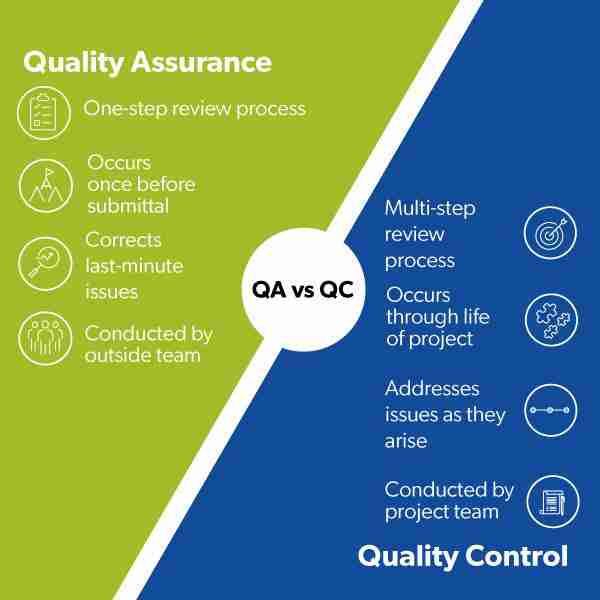
Quality control in rice production is a meticulous process that starts right from the moment paddy is harvested. Farmers employ sustainable practices to ensure that the grains are not only plentiful but also free from contaminants. This involves regular monitoring for pests and diseases, effective irrigation management, and soil health assessment. Essential steps include:
- Field Inspections: Regular checks to identify potential issues before harvest.
- Harvest Timing: Picking grains at peak ripeness to enhance quality.
- Post-harvest Processing: Careful drying and cleaning to prevent spoilage.
Once the paddy reaches the milling stage, quality control measures continue to ensure that high standards are maintained throughout. The milling process involves several steps that require precision to yield premium rice. It is crucial that mills follow strict protocols to prevent contamination and maintain quality from the point of milling to packaging. Key aspects include:
- Grain Sorting: Dual sorting—by size and color—to remove defective grains.
- Milling Techniques: Using advanced machinery to minimize breakage and preserve nutritional value.
- Packaging Standards: Employing moisture-proof materials to ensure longevity.
| Quality Control Measures | Objective |
|---|---|
| Field Inspections | Identify and mitigate potential damage |
| Pre-harvest Soil Tests | Assess nutrient levels |
| Post-harvest Cleaning | Remove debris and contaminants |
| Quality Assurance Tests | Monitor grain quality pre-packaging |
Sustainable Practices: Recommendations for Eco-friendly Paddy Processing
Embracing eco-friendly practices in paddy processing not only enhances the quality of the product but also significantly reduces the environmental footprint. One of the foremost recommendations is to implement water-saving techniques, such as alternate wetting and drying (AWD) instead of continuous flooding, which conserves water and improves soil health. Utilizing solar drying systems can also optimize moisture reduction in harvested paddy, minimizing reliance on fossil fuels. Furthermore, integrating pest management practices helps maintain ecological balance by promoting the use of natural predators and biopesticides instead of harmful chemicals, safeguarding both the crop and surrounding biodiversity.
Another critical approach to sustainable paddy processing lies in the effective use of agricultural waste. Farmers can transform paddy husks and straw into biomass energy, reducing waste disposal issues while generating renewable energy for processing operations. Additionally, incorporating organic fertilizers derived from composted waste promotes healthier soil and reduces chemical inputs. To encourage transparency and ethical practices, establishing collaborative networks among farmers allows for the sharing of eco-friendly tools and techniques, fostering a community committed to sustainability.
| Eco-Friendly Practices | Benefits |
|---|---|
| Water-saving techniques | Conserves water and improves soil health |
| Solar drying systems | Reduces reliance on fossil fuels |
| Integrated pest management | Enhances biodiversity and soil health |
| Agricultural waste utilization | Reduces waste and generates renewable energy |
| Organic fertilizers | Promotes healthy soil and reduces chemicals |
Concluding Remarks
As we conclude our exploration of the intricate journey from field to plate, it’s clear that the processing of paddy is not merely a step in food production, but a complex story that integrates agriculture, tradition, and innovation. From the lush green paddies kissed by the sun to the rhythmic sounds of milling, each stage adds a layer of depth and flavor to the rice we often take for granted. Understanding this process helps us appreciate not only the efforts of farmers and processors but also the cultural significance that rice holds in cuisines around the world.
In recognizing the journey of paddy processing, we come to value the intersection of nature and nurture — where each grain carries the essence of the land, the labor of countless hands, and the shared heritage of communities. So, the next time you sit down to enjoy a steaming bowl of rice, remember that it is not just sustenance; it is a testament to the enduring connection between our food and the earth that nurtures it. Let us celebrate this journey, acknowledging the interplay of tradition and technology, and fostering a greater respect for the food that graces our plates.



