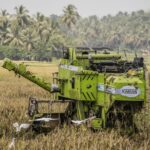
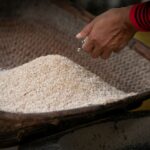
Nestled in the heart of lush rice paddies and surrounded by the soothing hum of machines, a modern rice processing plant serves as the crucial link between the vast fields where grains are grown and the kitchens where they are enjoyed. Join us on a journey from field to fork as we uncover the intricate processes and cutting-edge technology that bring this staple food from its humble beginnings to our plates.
– The Importance of Quality Control in Modern Rice Processing Plants
Rice processing plants play a crucial role in bringing this staple food from the fields to our tables. Quality control measures within these plants are essential to ensure that the rice produced is safe, nutritious, and of high quality. One key aspect of quality control in modern rice processing plants is the monitoring of the milling process. By regularly checking for factors such as moisture content, milling yield, and broken grains, plant operators can ensure that the rice being produced meets industry standards.
Another important aspect of quality control in rice processing plants is the packaging and storage of the final product. Proper packaging is essential to protect the rice from moisture, pests, and contamination. Additionally, storing the rice in a controlled environment helps to maintain its freshness and quality. By implementing strict quality control measures at every stage of the processing plant, manufacturers can ensure that consumers receive safe and high-quality rice products.
– Enhancing Efficiency through Automated Sorting and Packaging Systems
At the heart of a modern rice processing plant lies a sophisticated network of automated sorting and packaging systems that seamlessly handle the journey of rice from field to fork. These state-of-the-art systems utilize advanced technology to enhance efficiency, reduce waste, and ensure the highest quality of the final product.
- **Automated Sorting Systems:** These systems use sensors and imaging technology to quickly and accurately sort rice grains based on size, shape, and color. By automating the sorting process, the plant can ensure a consistent quality of rice and eliminate human error.
- **Automated Packaging Systems:** Once the rice has been sorted, it is ready to be packaged. Automated packaging systems can efficiently fill and seal bags of rice, ensuring that each package is uniform in weight and appearance. This not only saves time and labor but also improves the overall presentation of the product.
– Sustainable Practices in Rice Processing: Minimizing Waste and Maximizing Output
Rice processing plants today are implementing innovative techniques to reduce waste and increase efficiency in their operations. By focusing on sustainable practices, these facilities are not only minimizing their environmental impact but also maximizing their output. One such method is the utilization of byproducts from the rice milling process, turning what would typically be discarded as waste into valuable resources. Through advanced technologies and careful planning, these plants are able to extract every bit of potential from each grain of rice.
Additionally, modern rice processing plants are optimizing their water usage through the implementation of closed-loop systems that recycle and reuse water throughout the processing cycle. By minimizing water waste and efficiently managing resources, these plants are not only reducing their environmental footprint but also cutting down on operational costs. Through a combination of sustainable practices, innovative technologies, and a commitment to efficiency, rice processing plants are paving the way towards a more environmentally friendly and economically viable future for the industry.
- Ensuring Food Safety: Implementing Strict Standards and Regulations
Rice is a staple food for many people around the world, and ensuring its safety from field to fork is of utmost importance. At a modern rice processing plant, strict standards and regulations are implemented to guarantee the quality and safety of the final product. From the moment the rice grains are harvested in the fields to the point where they are packaged and ready for consumption, every step of the process is carefully monitored and controlled.
One key aspect of ensuring food safety in a rice processing plant is maintaining strict hygiene standards. Workers in the plant must follow strict protocols for cleanliness and sanitation to prevent contamination of the rice. Additionally, the equipment used in the processing plants must be regularly cleaned and sanitized to avoid any possibility of cross-contamination. By adhering to these rigorous standards, modern rice processing plants are able to produce safe and high-quality rice products for consumers around the world.
In Retrospect
As we conclude our journey through a modern rice processing plant, it’s clear that so much happens behind the scenes to bring that simple grain of rice to our plates. From the meticulous sorting and cleaning processes to the advanced technology used in milling and packaging, every step is vital in ensuring the quality and safety of the final product. Next time you enjoy a bowl of rice, take a moment to appreciate the journey it took from field to fork, and the dedication of the hardworking individuals who make it all possible. Whether it’s white, brown, or wild rice, each grain tells a story of innovation and precision that truly nourishes us all. Thank you for joining us on this fascinating glimpse into the world of rice processing.