
In the quiet hum of the mill, golden grains transform into a sea of fine particles, ready to be molded into the beloved breakfast staple we know as cereal. Join us on a journey through the intricate world of cereal milling, where ancient techniques and modern technology converge to create the grainy goodness that fills our bowls each morning. Welcome to the art of cereal milling, where every grain tells a story of tradition, innovation, and the boundless possibilities of breakfast.
Exploring the Origins of Cereal Milling Techniques
Unleashing the potential of grains has long been a pivotal point in human history, with the art of cereal milling playing a significant role in transforming raw grain into the staple food we know today. Dating back to ancient times, our ancestors discovered the importance of grinding grains to create flour, setting the foundation for cereal milling techniques to evolve and flourish over the centuries. From hand-operated stone mills to complex automated machines, the journey of cereal milling is a tale of innovation, patience, and dedication.
As we delve into the origins of cereal milling techniques, we unravel a fascinating narrative of how early civilizations harnessed the power of grain to feed their communities and sustain their way of life. Through trial and error, ancient millers refined their methods, paving the way for advancements in technology and efficiency. Today, the legacy of cereal milling lives on, with modern mills utilizing state-of-the-art equipment to produce a wide array of grain-based products that fuel our daily lives. Let’s take a closer look at the intricate process of cereal milling and discover the secrets behind turning grain into grainy goodness.
Understanding the Key Processes Involved in Cereal Milling
One of the most important steps in cereal milling is cleaning the grains to remove any impurities such as dirt, stones, or other particles. This is crucial to ensure the quality and safety of the final product. Cleaning can involve processes like aspiration, where air is used to separate lighter impurities from the grains. Another common method is screening, where the grains are passed through a series of vibrating screens to remove particles of different sizes.
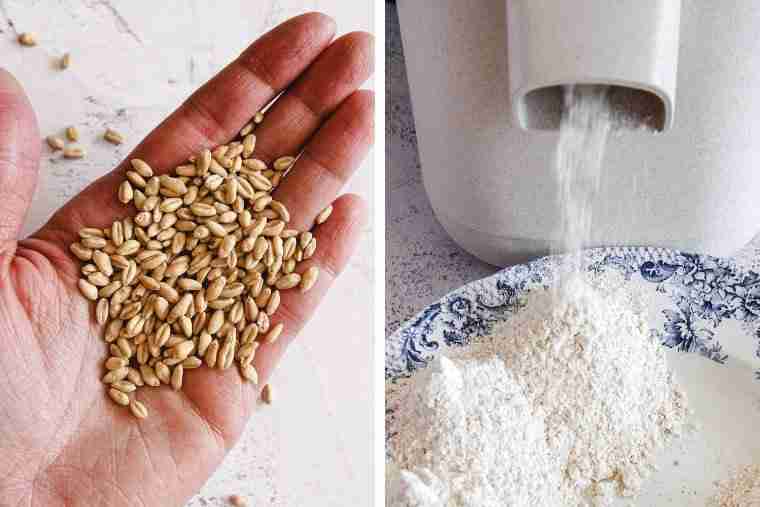
Once the grains are cleaned, they go through the milling process where they are broken down into different components like flour, bran, and germ. This is typically done using a combination of grinding, crushing, and sifting. The end result is a variety of products like whole grain flour, wheat germ, and bran that can be used in a wide range of food products. Understanding these key processes is essential for producing high-quality cereal products that meet the demands of consumers.

Tips for Achieving the Perfect Texture in Your Milled Cereal
When it comes to achieving the perfect texture in your milled cereal, there are a few key tips to keep in mind. First and foremost, selecting the right type of grain is crucial. Different grains will yield different textures, so be sure to choose the one that aligns with your desired outcome. Experiment with a variety of grains such as oats, barley, or quinoa to discover the perfect balance of crunchiness and chewiness.
Another important factor to consider is the milling process itself. The fineness of the grind will directly impact the texture of your cereal. For a coarser texture, opt for a larger grind size, whereas a finer grind will result in a smoother consistency. Adjusting the milling speed and duration can also play a role in achieving the desired texture. Remember, practice makes perfect, so don’t be afraid to experiment with different milling techniques until you find the ideal texture for your cereal.

Innovative Flour Varieties to Elevate Your Baking Game
Exploring innovative flour varieties can truly transform your baking game. From ancient grains to gluten-free options, there are endless possibilities to elevate your recipes to new heights. Consider incorporating unique flours like teff, spelt, or amaranth for a flavorful twist in your breads, cakes, and pastries.
When it comes to experimenting with different flour types, don’t be afraid to mix and match to create a custom blend that suits your taste preferences. Combine quinoa flour for added protein, coconut flour for a hint of sweetness, or buckwheat flour for a nutty undertone. The possibilities are endless when it comes to utilizing innovative flour varieties in your baking endeavors.
To Wrap It Up
In conclusion, the art of cereal milling is a centuries-old craft that continues to play a vital role in producing the grainy goodness we enjoy in our everyday lives. From the meticulous process of selecting and grinding grains to the sophisticated machinery that turns them into cereals, the journey from grain to bowl is a fascinating one that requires skill, precision, and dedication. So the next time you pour yourself a bowl of your favorite cereal, take a moment to appreciate the intricate artistry that goes into creating each crunchy bite. And remember, behind every spoonful of goodness lies the intricate world of cereal milling.



