
In the heart of every corn kernel lies the potential to become a staple of countless cuisines around the globe. The art of maize milling is a time-honored tradition that has allowed communities to transform this humble grain into versatile flour, essential for creating delectable dishes. Join us on a journey through the intricate process of corn milling, where ancient techniques and modern technology converge to unlock the hidden treasures of this cherished crop.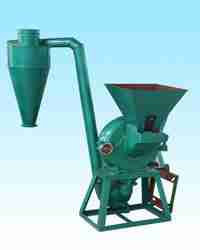
Exploring the Cultural Significance of Maize Milling
One of the oldest processes known to mankind, maize milling holds a special place in the hearts of many cultures around the world. This ancient practice of grinding corn into flour has been passed down through generations, evolving along the way to become not just a way of preparing food, but a cultural tradition. As communities gather around the maize mill to grind their corn, stories are shared, songs are sung, and bonds are strengthened.
From the traditional hand-operated stone mills to the modern industrial machinery, the art of maize milling has continued to adapt and grow over time. As corn is transformed into flour, communities come together to celebrate the harvest, share recipes, and pass on their knowledge to future generations. The cultural significance of maize milling goes beyond just food preparation – it represents a connection to the land, a celebration of heritage, and a way of preserving tradition in a rapidly changing world.

The Key Steps to Successful Maize Milling
Turning corn into flour through maize milling requires careful planning and execution. There are several key steps that are crucial to the success of this process. Firstly, selecting high-quality maize grains is essential as it directly impacts the final product. Ensure the maize is clean and free from any contaminants before proceeding.
Next, proper cleaning and conditioning of the maize grains are essential to achieve the desired quality of flour. This includes removing any impurities, stones, or debris through a thorough cleaning process. Once the maize is clean, it can be conditioned by adding moisture to aid in the milling process. This step ensures that the maize kernels are soft enough to be milled efficiently. By following these key steps diligently, you can master the art of maize milling and transform corn into high-quality flour for various culinary applications.

Maximizing Efficiency in the Milling Process
For centuries, maize milling has been a crucial process in transforming corn into the versatile flour that serves as a staple ingredient in many cuisines around the world. Maximizing efficiency in this process requires a delicate balance of precision and innovation. By optimizing the various stages of milling, from cleaning and conditioning the corn to grinding and sifting the flour, millers can ensure a high-quality, consistent product that meets the demands of modern consumers.
One key strategy for maximizing efficiency in maize milling is investing in advanced milling equipment that offers greater control and automation. Modern millers can benefit from technologies such as computerized controls, pneumatic conveying systems, and digital monitoring devices that streamline the milling process and minimize downtime. Additionally, implementing strict quality control measures and regular maintenance schedules can help prevent equipment breakdowns and ensure a smooth production flow. By staying ahead of technological advancements and embracing best practices in milling operations, millers can improve their overall efficiency and stay competitive in the ever-evolving food industry.
Innovative Techniques for Enhancing the Quality of Maize Flour
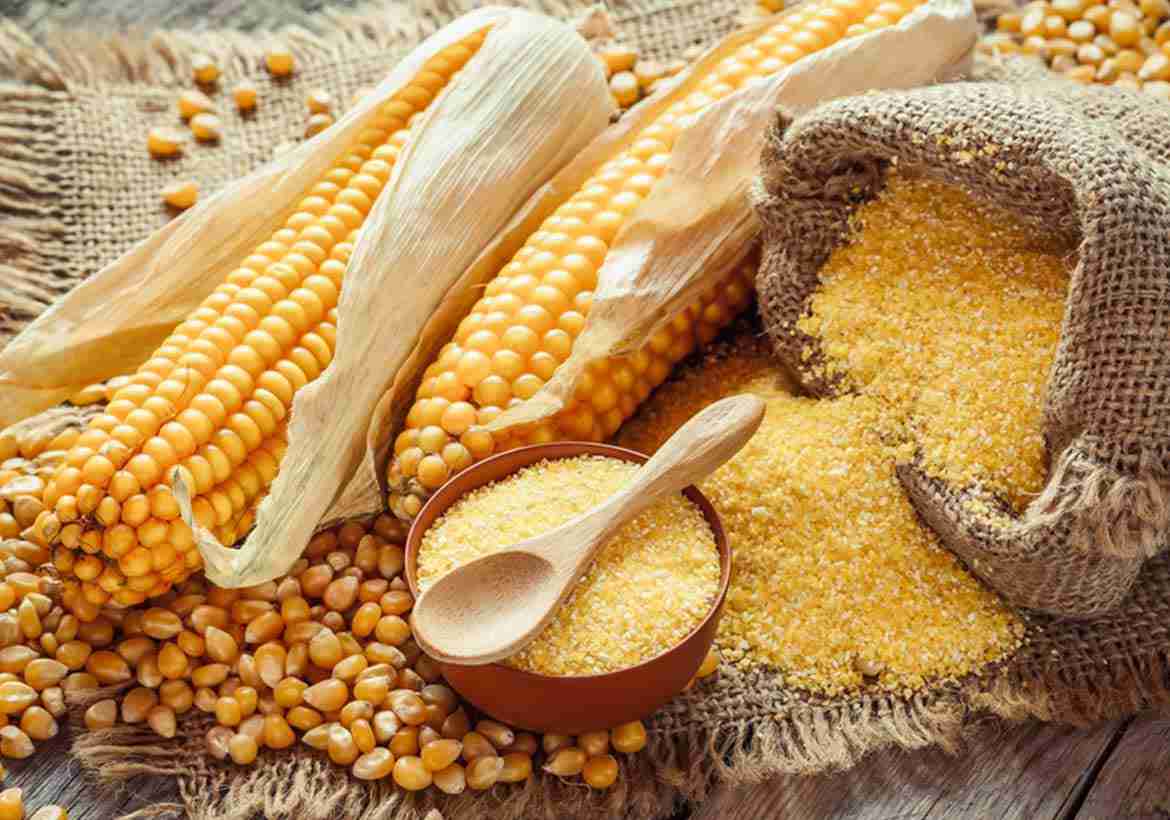
Transforming corn into flour is a fascinating journey that requires skill, knowledge, and innovative techniques. Maize milling is not just a process; it’s an art form that can enhance the quality of the final product. By utilizing cutting-edge methods, we can elevate maize flour to new heights, ensuring that it meets the highest standards of excellence.
One innovative technique for enhancing the quality of maize flour is through precision grinding. By using state-of-the-art milling equipment, we can finely grind the corn to create a smooth and consistent texture. This results in a flour that is free of impurities and has a superior taste and aroma. Additionally, implementing advanced sorting technology helps to remove any remaining debris or foreign particles, ensuring that the final product is of the highest purity. With these modern approaches, we can truly elevate maize flour to a level of quality that is unmatched.
Concluding Remarks
In conclusion, the art of maize milling is a time-honored tradition that continues to play a vital role in transforming corn into flour. This process requires skill, patience, and dedication in order to ensure that the end product is of the highest quality. As we have seen, maize milling is not just a technical process, but also a form of artistry that celebrates the cultural significance of corn in many societies around the world. So the next time you enjoy a delicious cornbread or tortilla, take a moment to appreciate the craftsmanship and artistry that went into transforming that simple corn kernel into a culinary masterpiece.



