
Step into the enchanting world of rice milling, where grains of rice are transformed from their raw form into a culinary staple enjoyed by millions worldwide. Join us on a journey through the intricate process of rice milling, uncovering the hidden magic behind this essential industry. Explore the mesmerizing techniques and innovative technology that make this ancient practice a vital part of our modern lives. Welcome to the fascinating world of rice milling, where simplicity meets sophistication in a harmonious dance of transformation.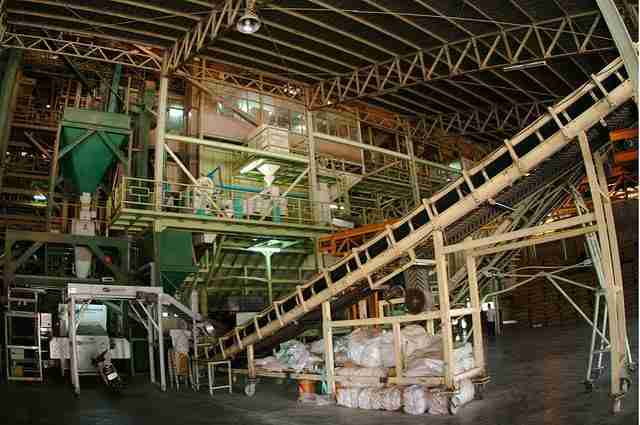
Understanding the Fascinating History of Rice Milling
Rice milling has a rich history that dates back centuries, playing a crucial role in the production of one of the world’s most widely consumed staple foods. The process of rice milling involves a series of intricate steps that transform raw rice grains into the polished and refined white rice that we are familiar with. This process not only enhances the appearance and taste of rice but also plays a vital role in removing impurities and extending its shelf life.
One of the key steps in rice milling is the removal of the husk, bran, and germ layers that encase the rice grain. This is typically done using a combination of machines such as hullers and polishers, which help to strip away the outer layers to reveal the white rice kernel underneath. The polishing process involves friction and abrasion, which results in the removal of the remaining bran layers and the production of the shiny white rice that is commonly seen on store shelves. The magic of rice milling lies in its ability to transform a humble grain into a nutritious and versatile food that is enjoyed by people all around the world.
Insights into Modern Rice Milling Techniques
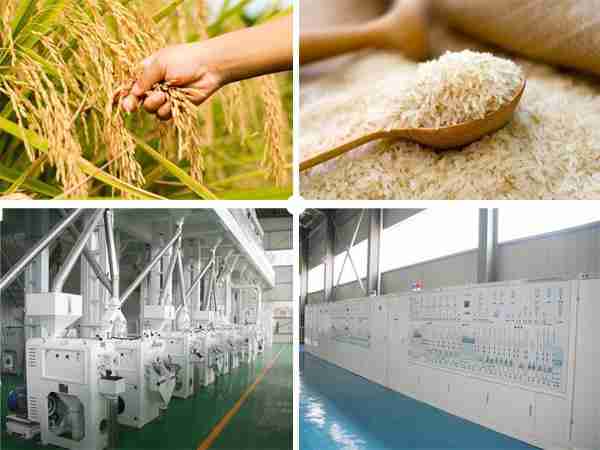
Rice milling is a fascinating process that transforms raw rice grains into the polished, white rice we are all familiar with. The magic begins with the cleaning of the rice, where any impurities or foreign materials are removed. This is followed by the removal of the outer husk, bran layer, and germ, leaving behind the starchy endosperm that we commonly consume.
Next comes the polishing stage, where the rice is buffed to give it a shiny appearance and improve its aesthetic appeal. This step not only enhances the visual appeal of the rice but also helps to extend its shelf life. The final step involves grading and sorting the rice based on size, shape, and quality parameters, ensuring that only the best grains make it to the consumer’s plate. Modern rice milling techniques have revolutionized the way we process rice, resulting in a more efficient, sustainable, and high-quality end product.
Benefits of Using Whole Grain Rice vs. Processed Rice
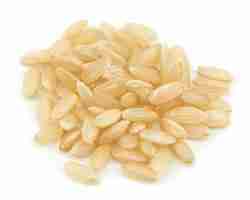
Whole grain rice is a powerhouse of nutrients, containing the bran, germ, and endosperm of the grain. This means that it retains all its natural vitamins, minerals, and fiber, making it a much healthier option compared to processed rice. Some of the benefits of using whole grain rice over processed rice include:
- Higher Nutritional Value: Whole grain rice contains more vitamins, minerals, and antioxidants compared to processed rice.
- Increased Fiber Content: Whole grain rice is rich in fiber, which aids in digestion and helps maintain a healthy gut.
- Lower Glycemic Index: Whole grain rice has a lower glycemic index compared to processed rice, which means it helps in regulating blood sugar levels.
Switching to whole grain rice over processed rice not only benefits your health but also provides a more wholesome and satisfying eating experience. The process of milling rice to create the final product plays a crucial role in determining the quality and nutritional value of the end product. By understanding the magic of rice milling, we can make informed choices about the type of rice we consume and reap the many benefits it has to offer.
Recommendations for Optimal Rice Milling at Home
Rice milling at home can be a rewarding experience, allowing you to control the quality and freshness of your rice. To achieve optimal results, here are some recommendations to keep in mind:
- Start by selecting high-quality rice grains for milling.
- Ensure your rice mill is properly cleaned and maintained to prevent contamination.
- Adjust the milling settings to achieve the desired level of polishing for your rice.
- Store the milled rice in airtight containers to maintain freshness.
By following these recommendations, you can enjoy the magic of rice milling in the comfort of your own home. Experiment with different types of rice and milling techniques to find the perfect combination that suits your taste preferences.
In Conclusion
In conclusion, the enchanting world of rice milling offers a fascinating look into a process that has sustained societies for centuries. From the gentle whirring of the machines to the aromatic fragrance of freshly milled rice, the magic of this age-old practice is truly a sight to behold. As we bid farewell to this glimpse into the world of rice milling, we are reminded of the simple yet essential role that this humble grain plays in our lives. So next time you sit down to enjoy a steaming bowl of rice, take a moment to appreciate the intricate journey that led it to your plate. And remember, the magic of rice milling is not just in the process itself, but in the nourishment and comfort it brings to us all.



