
Step inside the mesmerizing world of the rice mill, where grains are transformed from simple seeds into an essential staple of countless global cuisines. In this intricate and fascinating process, every step plays a crucial role in delivering the perfectly milled rice to tables around the world. Join us as we explore the inner workings of this vital industry and uncover the secrets behind “The Grain Game”.
1. Exploring the Intricacies of Rice Milling Techniques and Technologies
Delve into the fascinating world of rice milling, where ancient traditions meet cutting-edge technologies. From the bustling rice fields to the precise machinery inside a mill, every step in the process is crucial to producing the perfect grain. Through a combination of skill and innovation, rice millers are able to unlock the full potential of each rice kernel, creating a product that is not only nutritious but also delicious.
- Discover the intricate techniques used to remove the hull and bran from rice grains, revealing the pristine white interior.
- Learn how state-of-the-art machines have revolutionized the milling process, increasing efficiency and minimizing waste.
- Explore the different types of rice milling technologies, from traditional stone mills to modern automated systems.
2. Navigating the Complex Supply Chain of Rice Production
Rice production is a complex web of processes that involves multiple stakeholders, from farmers to distributors. Navigating this intricate supply chain requires a deep understanding of the industry, from cultivation to distribution. The rice mill serves as a crucial junction in this chain, where raw paddy is transformed into the grains we see on our plates.
Inside the world of the rice mill, precision and efficiency are key. From the cleaning and hulling of paddy to the polishing and packaging of rice, every step must be carefully orchestrated to ensure a high-quality product reaches consumers. With advancements in technology, modern rice mills have streamlined their operations, incorporating automation and advanced machinery to improve productivity and consistency in the final product. However, the human touch remains essential in ensuring the rice that reaches our tables meets the highest standards of quality and taste.

3. Maximizing Efficiency and Quality Control in the Rice Milling Process
When it comes to rice milling, efficiency and quality control are crucial factors that can make or break a business. In order to stay competitive in the grain game, mill owners must constantly strive to streamline their processes and ensure that each grain of rice that leaves their facility meets the highest standards of quality. By maximizing efficiency and implementing strict quality control measures, rice millers can not only improve their bottom line but also build a reputation for producing top-notch products that consumers trust.
One way to boost efficiency in the rice milling process is to invest in modern equipment that can handle large volumes of rice quickly and accurately. By automating certain aspects of the process, mill owners can dramatically reduce processing times and improve overall productivity. Additionally, implementing quality control checks at every stage of the milling process can help identify and eliminate any defects or impurities that could compromise the quality of the final product. By taking proactive measures to ensure that only the best rice makes it to market, mill owners can set themselves apart from the competition and establish themselves as industry leaders.
4. Sustainable Practices and Innovations Shaping the Future of Rice Mills
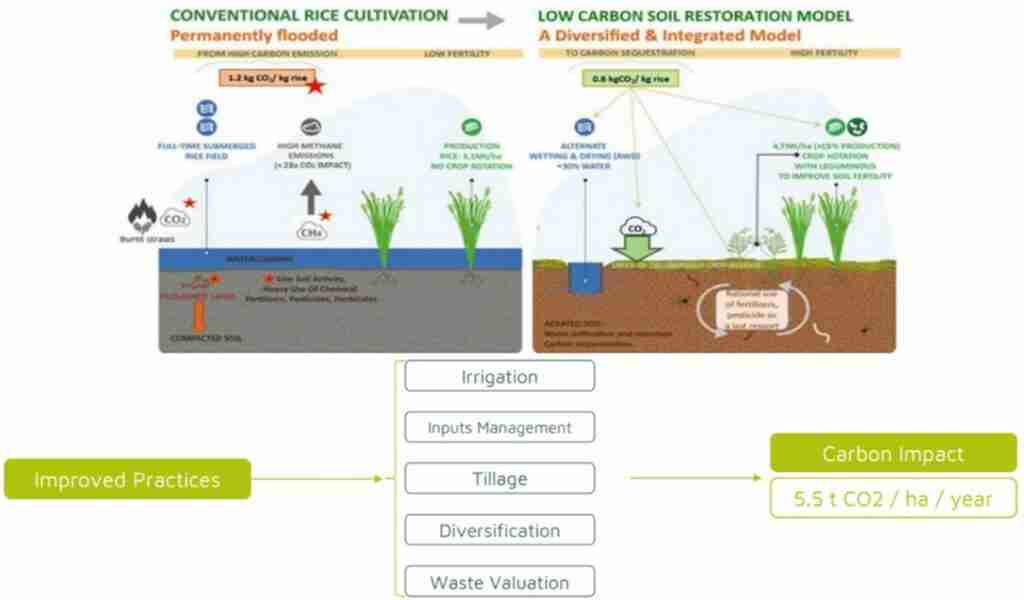
Rice mills are undergoing a revolution, with sustainable practices and innovative technologies shaping the future of this essential industry. From reducing water usage to minimizing waste, rice millers are embracing eco-friendly solutions to improve efficiency and reduce their environmental impact. One such innovation is the adoption of solar power to run mill operations, reducing reliance on traditional energy sources and lowering carbon emissions.
Leading rice mills are also investing in state-of-the-art equipment that not only increases productivity but also reduces energy consumption. Modern milling technologies such as infrared sorting machines and robotic automation have revolutionized the way rice is processed, ensuring higher quality output while minimizing resource usage. By embracing sustainable practices and cutting-edge innovations, rice mills are not only securing their future but also contributing to a greener, more sustainable world.
Final Thoughts
As we conclude our exploration into the fascinating world of rice milling, it’s clear that the grain game is a complex and essential industry that impacts much more than just our dinner table. From the meticulous processing of rice to the global trade networks that keep our shelves stocked, the rice mill plays a crucial role in providing nourishment to millions around the world. So the next time you enjoy a bowl of fluffy, perfectly cooked rice, take a moment to appreciate the intricate journey it took to reach your plate. And remember, the grain game is far more than meets the eye.



