
In the quiet dawn, as the sun lazily rises over the vast fields of golden wheat, a timeless ritual unfolds. From the rustling of the crops to the rhythmic hum of machinery, the art of cereal processing weaves together nature’s bounty with human ingenuity. Join us on a journey through the intricate process of transforming grains from fields to bowls, where every step holds secrets passed down through generations.
Discovering the Evolution of Cereal Processing Techniques
Throughout history, the process of cereal processing has undergone a remarkable evolution, transforming the way we consume grains. From ancient civilizations hand-grinding grains to modern industrial mills, the art of cereal processing has come a long way. Innovations in technology, agriculture, and food science have played key roles in shaping the techniques used to turn raw grains into the myriad of cereals we enjoy today.
One significant advancement in cereal processing was the invention of the roller mill in the 19th century, which revolutionized the way grains were crushed and milled. This new technology allowed for a more efficient and uniform processing of cereals, resulting in higher quality products. Additionally, the development of extrusion technology in the 20th century further expanded the possibilities for cereal processing, allowing for the creation of a wide range of cereals in different shapes and textures. The journey from fields to bowls has been a fascinating one, showcasing the ingenuity and creativity of humankind in harnessing the potential of grains.

Exploring the Nutritional Benefits of Whole Grain Cereals
Whole grain cereals are a staple in many diets around the world, providing a powerhouse of essential nutrients and health benefits. From wheat to oats to barley, these grains are not only delicious but also packed with fiber, vitamins, and minerals that are vital for overall well-being.
Whole grain cereals are known for their high fiber content, which promotes digestive health and helps to keep you feeling full and satisfied. They also contain important vitamins like B vitamins, iron, magnesium, and zinc, all of which play crucial roles in supporting a healthy immune system and energy production. In addition, whole grain cereals are a great source of antioxidants, which can help protect against chronic diseases and boost overall health.

Innovative Technologies Revolutionizing Cereal Processing
With the advancement of technology, cereal processing has undergone a remarkable transformation, enhancing efficiency and quality across the industry. One of the key innovations in this sector is the utilization of automated sorting systems. These state-of-the-art machines utilize cutting-edge sensors to precisely identify and segregate grains based on various characteristics such as size, shape, and color. This has significantly reduced the manual labor involved in the sorting process, ensuring a more uniform and higher quality end product.
Another groundbreaking technology revolutionizing cereal processing is the use of precision milling equipment. These high-tech machines are equipped with advanced algorithms that optimize the milling process to achieve the desired texture and consistency of the final product. By finely tuning parameters such as speed, pressure, and temperature, manufacturers can produce cereals with superior taste and nutritional content. This level of precision has elevated the art of cereal processing to new heights, setting a new standard for the industry.
Tips for Selecting the Best Cereals for Optimal Health
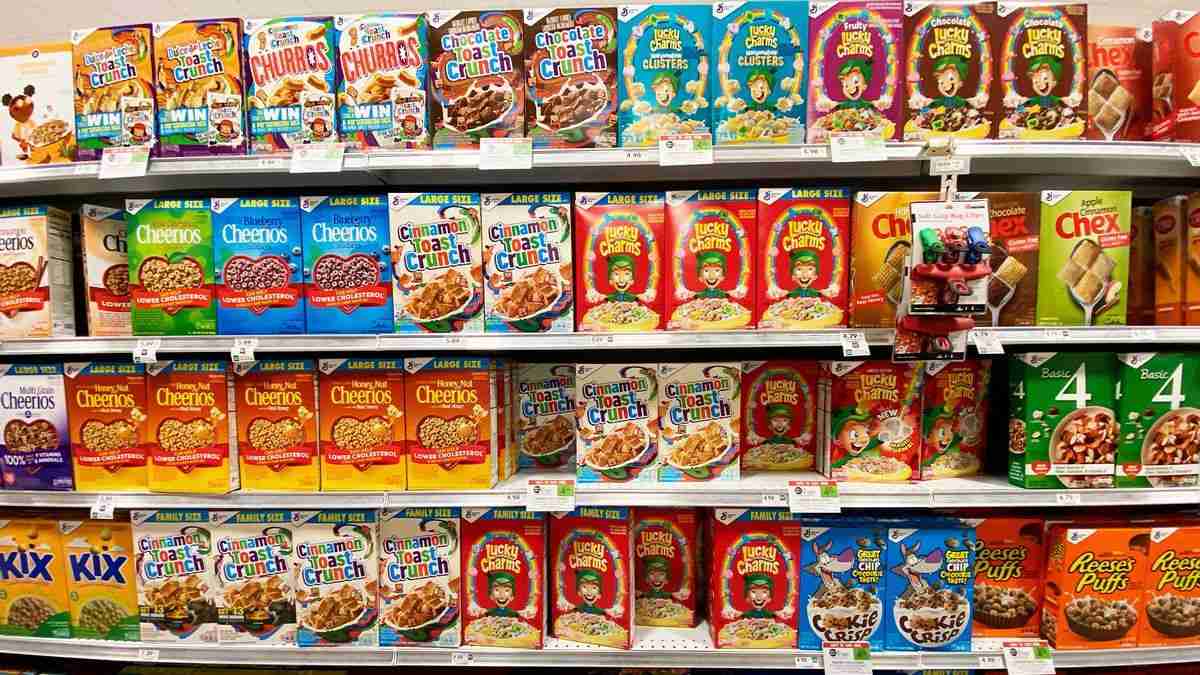
When it comes to choosing the best cereals for optimal health, there are a few key factors to consider. One important thing to keep in mind is to look for cereals that are whole grain. Whole grains are rich in nutrients and fiber, which can help keep you feeling full and satisfied. Additionally, opt for cereals that are low in added sugars. Excessive sugar intake can lead to weight gain and other health issues, so it’s important to choose cereals that are as natural as possible.
Another tip for selecting the best cereals is to pay attention to the ingredient list. Look for cereals that have minimal ingredients and avoid those with added preservatives and artificial colors. Additionally, consider choosing cereals that are fortified with vitamins and minerals to ensure you’re getting the nutrients you need. Lastly, don’t forget to pay attention to serving size and portion control. It’s easy to overeat cereal, so be mindful of how much you’re consuming to maintain a healthy diet.
The Way Forward
As we wrap up our exploration of the fascinating journey from fields to bowls in the art of cereal processing, we are left with a newfound appreciation for the intricate process that brings our favorite breakfast staple to our tables. From the hard-working farmers cultivating the land, to the skilled processors transforming grains into flakes and puffs, to the innovative cereal makers creating delicious blends for us to enjoy – each step plays a crucial role in ensuring our morning rituals are met with a satisfying crunch or sip. So next time you pour yourself a bowl of cereal, take a moment to savor not just the taste, but the story behind it. And remember, there’s a lot more to your breakfast than meets the eye.



