
Corn, a staple crop found in many cuisines around the world, holds within its humble kernel an abundance of untapped potential. From its use in traditional dishes to its transformative power in modern food processing, the versatility of corn knows no bounds. In this guide, we will delve into the world of corn processing, unlocking the secrets to maximizing the potential of this golden grain. Join us on a journey through the various techniques and methods that unleash the full range of possibilities that corn has to offer.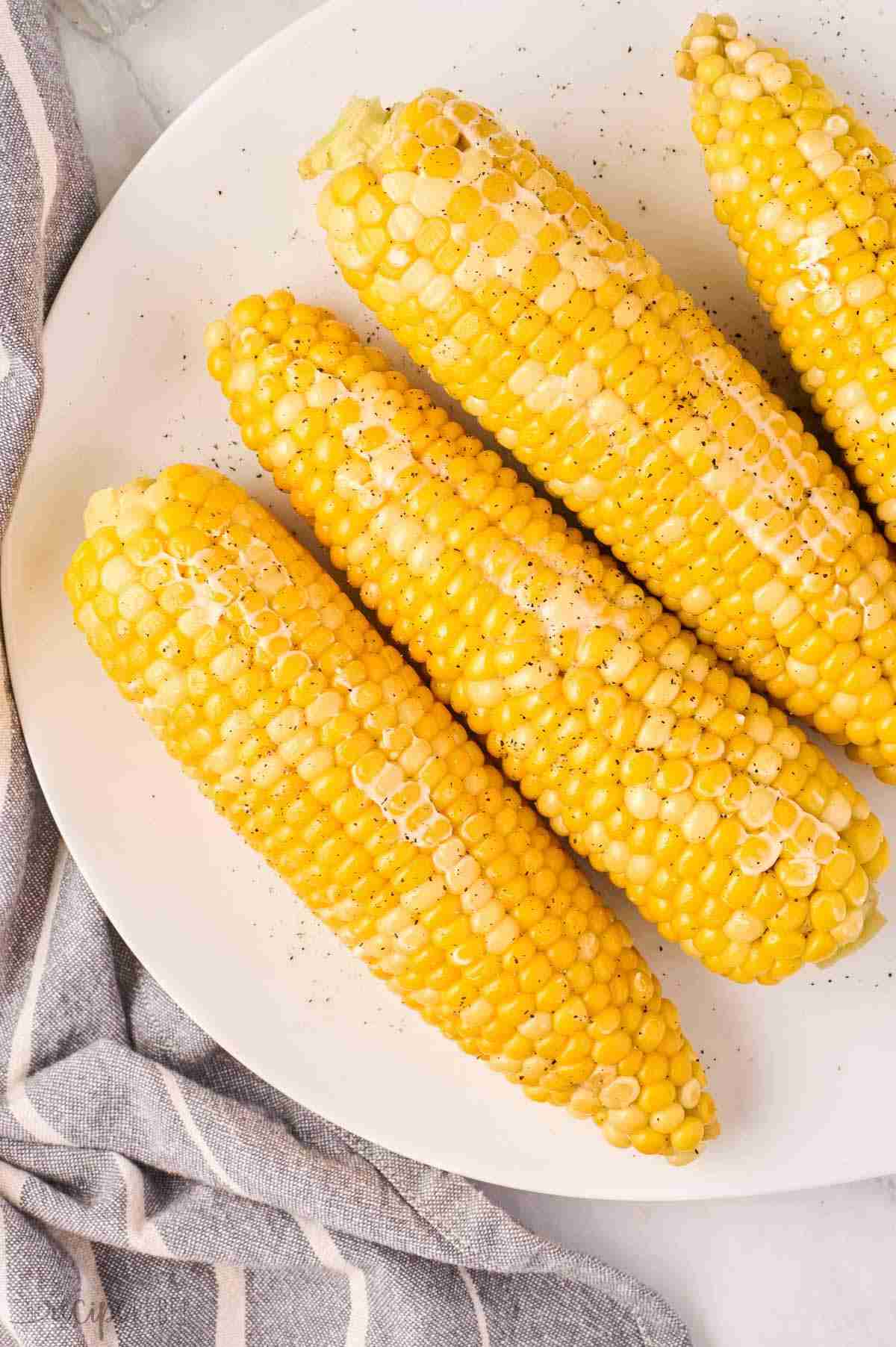
Exploring the Versatility of Corn in Food Production
Corn, a staple crop with endless possibilities in food production, offers a depth of versatility that can elevate any dish. From cornmeal to corn starch, this golden grain can be transformed into a myriad of products through various processing methods. One of the most common ways to unlock the potential of corn is through milling, where corn kernels are ground into different textures and forms, making it an essential ingredient in a wide range of culinary applications.
Whether it’s used as a thickening agent in sauces and soups or as a base for delicious baked goods, corn truly shines in its ability to add texture, flavor, and nutritional value to a dish. With the right processing techniques, corn can be turned into cornstarch, corn syrup, or even corn oil, showcasing its remarkable adaptability in modern food production. So next time you’re in the kitchen, don’t underestimate the power of corn – embrace its versatility and let it elevate your culinary creations to new heights.

Understanding the Science Behind Corn Processing
Corn processing is a fascinating field that involves various scientific principles to unlock the full potential of this versatile crop. Through a combination of mechanical, chemical, and biological processes, corn can be transformed into a wide range of valuable products that have numerous applications in food, fuel, and industrial sectors. is essential for maximizing the efficiency and sustainability of this crucial industry.
One key aspect of corn processing is the extraction of valuable components such as starch, protein, and fiber from the corn kernel. This process involves breaking down the corn kernel into its constituent parts, separating them using different methods, and refining them to create high-quality products. By optimizing these processes, manufacturers can not only increase their yields and reduce waste but also create new products that meet the evolving needs of consumers. With a solid understanding of the science behind corn processing, the possibilities for innovation and advancement in this industry are truly endless.
Maximizing Nutritional Benefits Through Proper Corn Processing Techniques
Corn is a staple food that provides essential nutrients to our diets. By utilizing proper corn processing techniques, we can unlock its full potential and maximize its nutritional benefits. Whether it’s grinding corn for flour, making cornmeal, or even producing corn oil, the key lies in understanding the right methods to preserve its nutritional value.
One effective technique is nixtamalization, a process that involves soaking dried corn in an alkaline solution, such as lime water or wood ash. This method not only improves the corn’s flavor and texture but also enhances its nutritional content by increasing the availability of essential nutrients like niacin. Additionally, utilizing fermentation in corn processing can help break down phytic acid, making the corn’s nutrients more bioavailable. By incorporating these techniques into our corn processing practices, we can ensure that we are getting the most out of this versatile and nutritious grain.

Innovative Corn Processing Technologies for Improved Efficiency
When it comes to corn processing, there are a variety of innovative technologies that can significantly improve efficiency and unlock the full potential of this versatile crop. One such technology is enzy matic corn wet milling, which uses enzymes to break down the starch in corn kernels, resulting in higher yields of valuable products like sweeteners, ethanol, and animal feed. This process not only increases efficiency but also reduces energy and water usage, making it a more sustainable option for corn processing.
Another groundbreaking technology is dry fractionation, which separates different components of corn kernels such as protein, starch, and fiber without the use of water. This method allows for the production of high-value products like corn protein concentrate, corn germ oil, and fiber-rich ingredients for various food applications. By incorporating these innovative corn processing technologies into their operations, companies in the agriculture and food industry can maximize their efficiency, reduce waste, and create new revenue streams from corn processing.
The Conclusion
As we conclude our exploration into unlocking the potential of corn through effective processing techniques, we have only scratched the surface of the myriad possibilities that this versatile crop offers. From cornstarch to ethanol, corn has the power to fuel our homes, our bellies, and our vehicles. By understanding the science behind corn processing and embracing innovation, we can continue to harness the full potential of this humble grain. So go forth, armed with this guide, and let your creativity flourish as you unlock the endless possibilities hidden within a kernel of corn. The cornucopia of opportunities awaits!



