
In the vast fields of the Midwest, a humble crop silently grows, transforming from a tiny seed into a staple food on tables around the world. Join us on a journey through the fascinating world of corn processing, where we uncover the intricate steps that take this simple grain from seed to table. Discover the age-old techniques and modern innovations that play a crucial role in bringing this versatile and nutritious ingredient into our daily diets. Explore the captivating process that bridges the gap between nature’s bounty and the food on our plates. Welcome to the intriguing world of corn processing.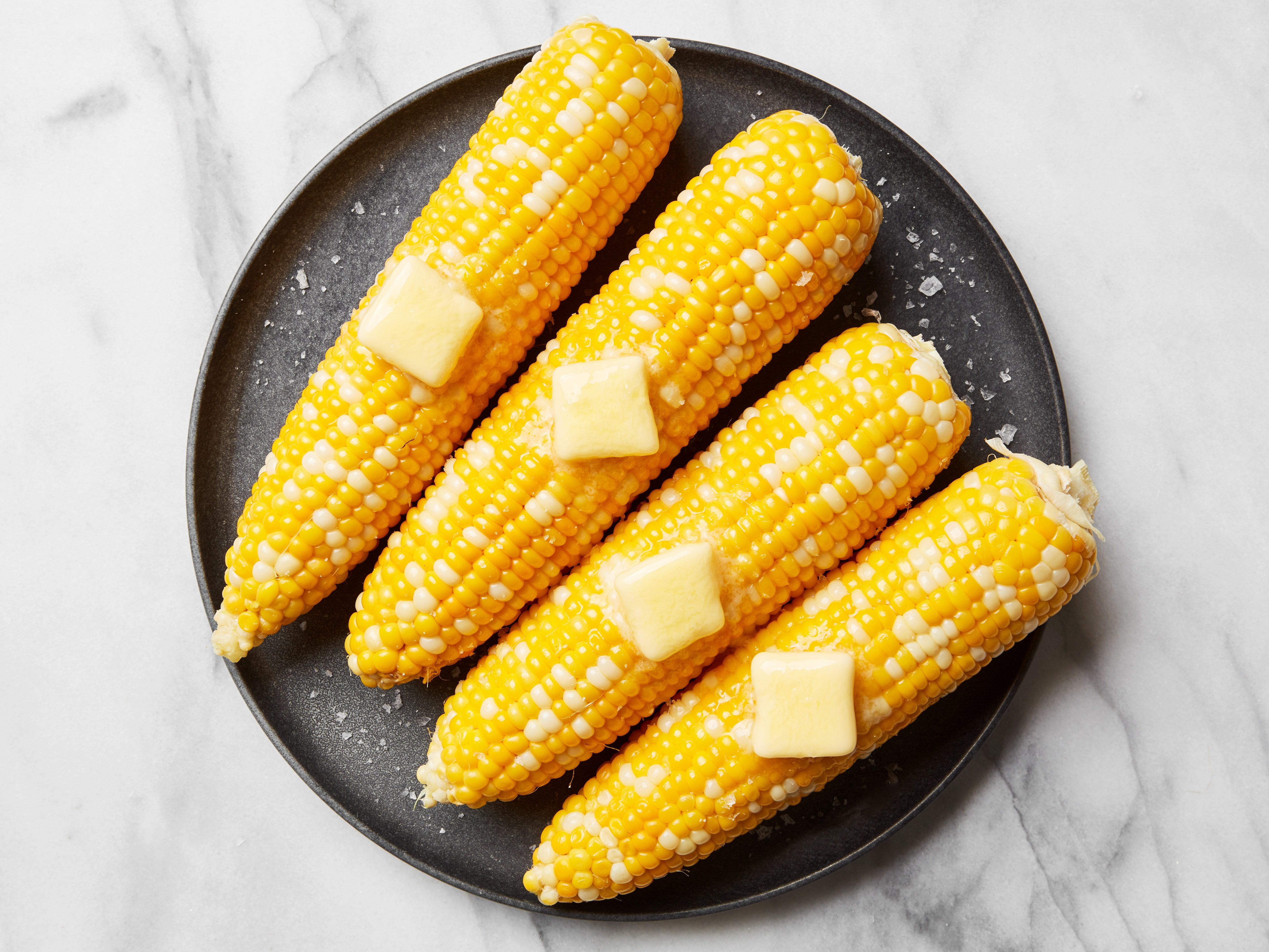
The Intricate Journey of Corn from Seed to Harvest
Corn is a staple crop that has been cultivated by humans for thousands of years, with a fascinating journey from seed to table. The process of corn processing is intricate and involves multiple steps to transform a simple seed into a versatile ingredient used in a variety of culinary dishes.
From planting the seed in the soil to harvesting the mature corn cobs, each stage of the corn processing journey requires careful attention and meticulous care to ensure a successful harvest. Farmers must monitor the growth of the corn plants, protect them from pests and diseases, and provide the necessary nutrients for optimal development. Once the corn is ready for harvest, it is carefully picked and transported to processing facilities where it is cleaned, shucked, and prepared for distribution to various food manufacturers and consumers.
Unlocking the Secrets of Corn Processing Techniques
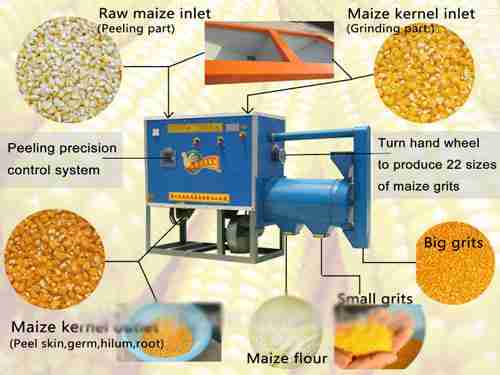
When it comes to corn processing, there is a whole world of techniques and secrets that go into transforming a simple maize seed into a versatile staple that graces tables around the world. From traditional methods passed down through generations to innovative modern technology, the journey of corn from seed to table is truly fascinating.
reveals the intricate steps involved in turning corn into a myriad of products such as cornmeal, corn flour, corn oil, and even biofuels. Whether it’s milling, grinding, fermenting, or distilling, each process plays a crucial role in extracting the goodness of corn and creating a variety of food and industrial products. By understanding these techniques, we gain a deeper appreciation for the humble corn kernel and the impact it has on our daily lives.
Maximizing Taste and Nutrition: Tips for Utilizing Corn Products
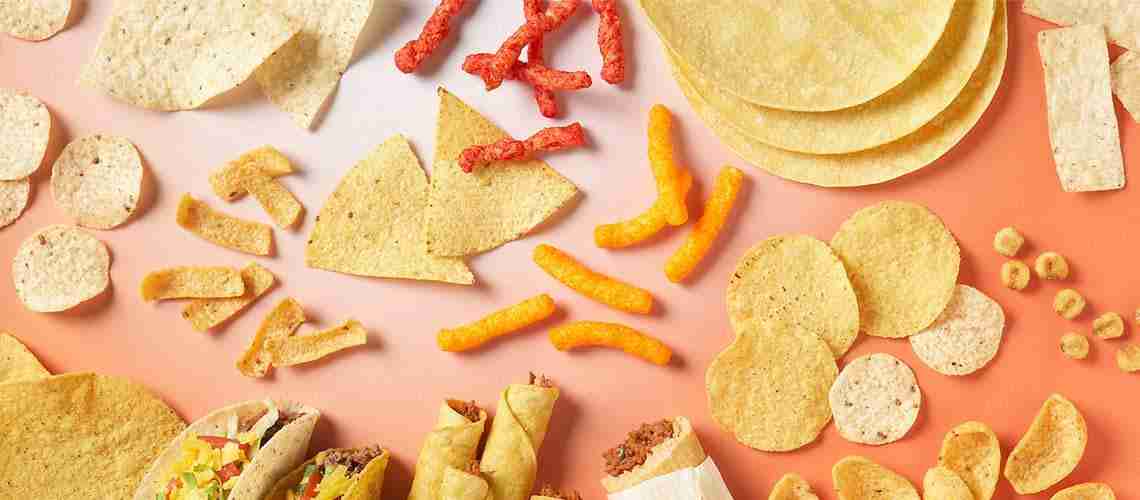
Corn is a versatile grain that can be processed in numerous ways to create a variety of tasty and nutritious products. One popular and easy way to utilize corn products is by incorporating them into your cooking and baking. From cornmeal to corn flour to corn syrup, there are endless possibilities to add flavor and nutrition to your dishes.
Here are some tips to help you maximize the taste and nutrition of corn products:
- Opt for whole grain: Choose whole grain corn products like cornmeal or corn flour for added fiber and nutrients.
- Experiment with different forms: Try using corn in various forms such as corn kernels, corn grits, or even corn flakes for a unique twist on your favorite recipes.
- Combine with other ingredients: Enhance the flavor and nutrition of your corn dishes by combining them with other healthy ingredients like vegetables, lean proteins, and herbs.
Exploring Sustainable Practices in the Corn Industry
Corn is more than just a staple food in many cultures—it’s a versatile crop that can be processed in numerous ways to create a wide range of products. From popcorn to corn syrup, the journey of corn from seed to table is a fascinating one filled with sustainable practices that help support both the environment and local communities.
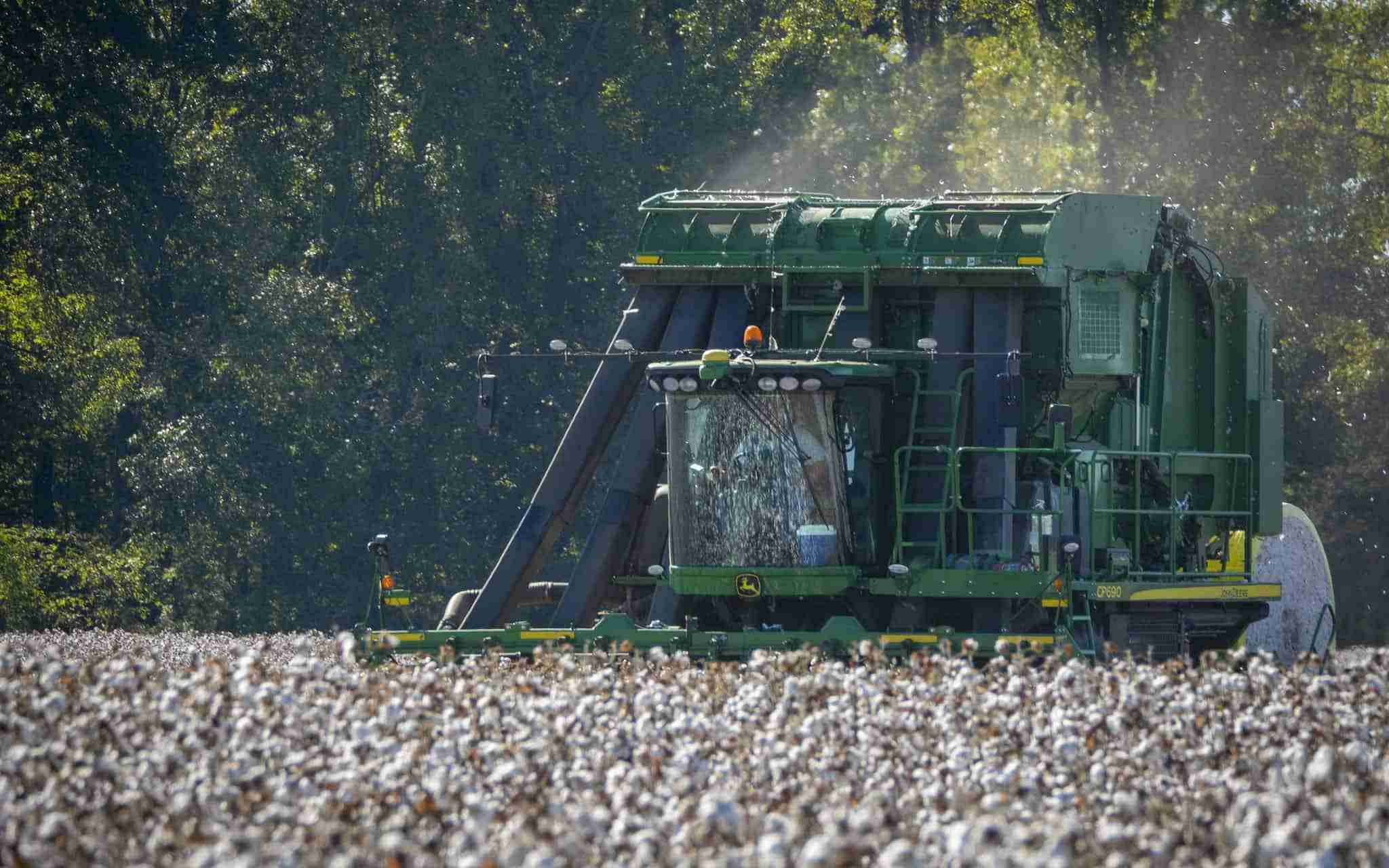
One of the key sustainable practices in the corn industry is promoting crop rotation to maintain soil health and prevent erosion. By rotating corn crops with other plants like soybeans or cover crops, farmers can reduce the risk of pests and diseases, improve soil structure, and increase overall crop yields. Additionally, utilizing modern technologies such as precision farming and conservation tillage techniques can help decrease the amount of water and chemicals needed for corn production, further minimizing the environmental impact of corn farming.
The Way Forward
As we have journeyed from seed to table, exploring the intricate and fascinating world of corn processing, it is evident that this staple crop is at the heart of many cultures and cuisines worldwide. From its humble beginnings as a simple seed, corn undergoes a complex transformation to become a versatile and essential ingredient in our daily lives. Whether enjoyed freshly picked from the cob or processed into a myriad of products, corn continues to play a significant role in our diet and economy. So next time you take a bite of that delicious cornbread or sip on a refreshing corn-based beverage, remember the journey that this humble grain has taken to reach your table. Bon appétit!



