
Rice has been a staple in cuisines across the globe for centuries, but its journey from paddy to plate is a complex and intricate process. In this article, we delve into the age-old tradition of paddy processing and explore the art and science behind the Rice Revolution. Join us as we uncover the secrets behind turning humble grains into a culinary masterpiece.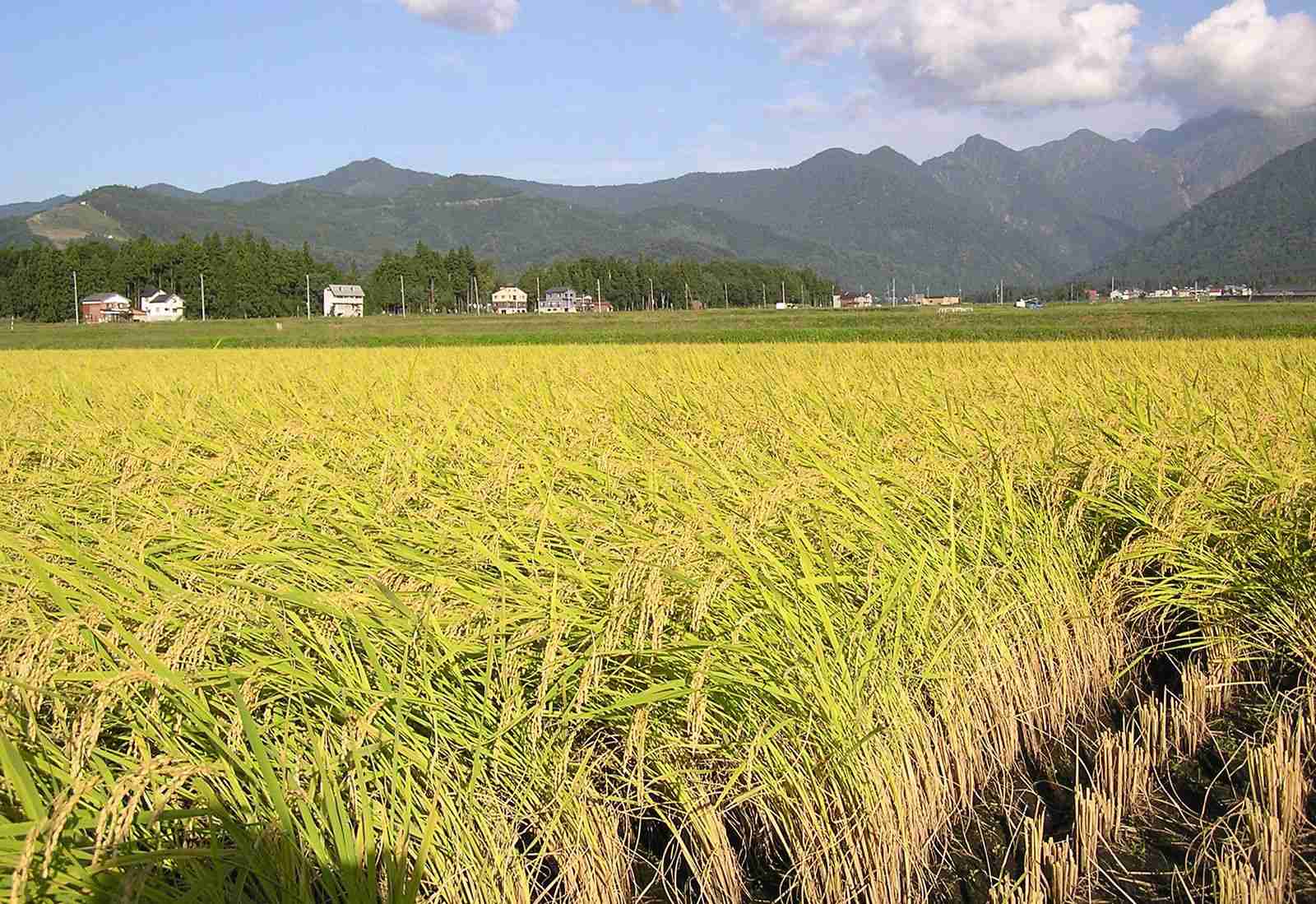
Revolutionizing Traditional Paddy Processing Techniques
When it comes to traditional paddy processing techniques, innovation is key to staying competitive in the rice industry. With advancements in technology and machinery, rice producers are now able to revolutionize the way paddy is processed, leading to higher efficiency and quality in the final product. One of the most exciting developments in this field is the adoption of automated milling machines that can streamline the processing process, saving time and effort for farmers.
Furthermore, the use of modern drying techniques such as infrared and vacuum drying has helped to reduce the time it takes to dry paddy, preventing spoilage and ensuring a higher quality end product. With these advancements, rice producers are able to meet the demands of a growing market while maintaining the traditional flavors and textures that make their rice stand out. In conclusion, the art of paddy processing is evolving rapidly, paving the way for a new era of innovation and efficiency in the rice industry.
Innovative Approaches to Enhance Rice Yield and Quality
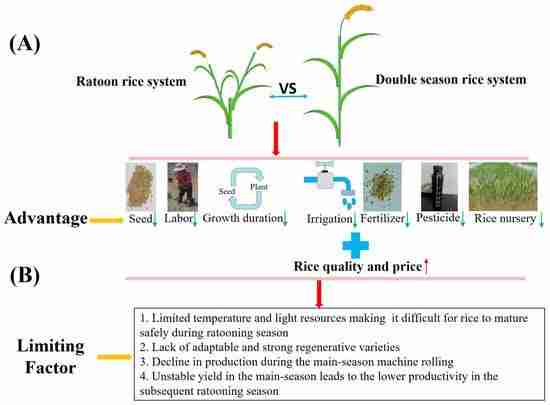
In the quest to boost rice yield and quality, farmers around the world are turning to innovative approaches to transform paddy processing. One key method that is gaining traction is the use of cutting-edge technology to streamline the traditional practices of rice cultivation. By harnessing the power of automation and precision agriculture, farmers are revolutionizing the way rice is grown, harvested, and processed.
Through the adoption of state-of-the-art equipment such as drone technology for crop monitoring, sensor-based irrigation systems for efficient water management, and robotic harvesters for precise grain collection, farmers are able to maximize their yields while minimizing waste. In addition, advancements in genetic engineering have led to the development of high-yielding and disease-resistant rice varieties that are capable of thriving in diverse environmental conditions. These innovative approaches not only enhance rice yield and quality but also drive sustainability in agriculture for future generations to come.

Maximizing Efficiency Through Modern Technology Integration
Modern technology has revolutionized the way paddy processing is done, allowing for maximum efficiency and productivity in the rice industry. By integrating cutting-edge machinery and software systems, rice mills can streamline their operations and produce high-quality rice at a faster pace.
With the use of automated rice milling machines, the entire process from cleaning to packaging can be completed with minimal human intervention, reducing the risk of errors and ensuring consistent quality. By incorporating digital monitoring systems, rice mill owners can keep track of production levels, inventory, and performance metrics in real-time, allowing them to make data-driven decisions for further optimization. This seamless integration of technology not only maximizes efficiency but also enhances the overall profitability of rice processing businesses.
Sustainable Practices for Paddy Processing Optimization
When it comes to paddy processing, adopting sustainable practices is key to optimizing the overall operation. By implementing eco-friendly methods, not only can we reduce waste and energy consumption, but we can also improve the quality of the final rice product. One of the most effective ways to achieve this is by utilizing modern technologies that prioritize efficiency and conservation.
Furthermore, incorporating traditional techniques such as sun drying and manual sorting can help maintain the nutritional value and flavor of the rice. By carefully selecting the best grains and ensuring proper handling throughout the processing stages, we can minimize losses and maximize yields. Ultimately, the art of paddy processing lies in finding the perfect balance between innovation and heritage, creating a sustainable and successful rice revolution.
The Way Forward
As we come to the end of our exploration into the intricate world of paddy processing, we are left in awe of the artistry and skill that goes into transforming humble rice grains into the staple food that sustains billions around the globe. From traditional hand-pounding techniques to modern mechanized systems, the Rice Revolution has truly transformed the way we view and appreciate this essential crop. Let us continue to marvel at the ingenuity of those who have mastered the art of paddy processing, and remember to appreciate the journey that each grain of rice takes before it reaches our plates. Let the Rice Revolution inspire us to cherish and respect this vital food source that connects us all.



