
Delve into the fascinating world of cereal milling, where the simple act of grinding grains transforms them into crunchy flakes that have become a breakfast staple for millions around the world. Join us on a journey through the intricate process of turning raw ingredients into the crispy, flavorful cereal we all know and love. From the grain fields to your bowl, discover the artistry and science behind the creation of your favorite morning treat.
The Role of Grain Selection in Cereal Milling
In cereal milling, the process of selecting the right grains is crucial in determining the quality and characteristics of the final product. Different types of grains bring unique flavors, textures, and nutritional profiles to the table. Wheat, barley, oats, and rice are some of the most commonly used grains in cereal milling, each offering distinct properties that contribute to the overall taste and appearance of the end product.
Grain selection also plays a significant role in the milling process, as the size, shape, and moisture content of the grains can impact the efficiency of the equipment and the final texture of the cereal. By carefully choosing the right combination of grains and adjusting the milling parameters, cereal manufacturers can create a wide range of products, from fine flour to hearty flakes, to cater to the diverse preferences of consumers.

Embracing Modern Technology for Optimal Flakes
Embracing modern technology has revolutionized the process of cereal milling, resulting in optimal flakes that are both nutritious and delicious. By utilizing state-of-the-art machinery and innovative techniques, cereal manufacturers are able to extract maximum value from grains, ensuring that every flake is packed with essential nutrients and flavor.
With advances in automation and precision milling equipment, cereal producers can now achieve consistency in flake size and texture, providing customers with a satisfying breakfast experience every time. Through the careful selection of high-quality grains and the implementation of cutting-edge processing methods, modern technology has elevated the art of cereal milling to new heights, creating flakes that are truly a work of culinary craftsmanship.
The Impact of Grinding Techniques on Flavour and Texture
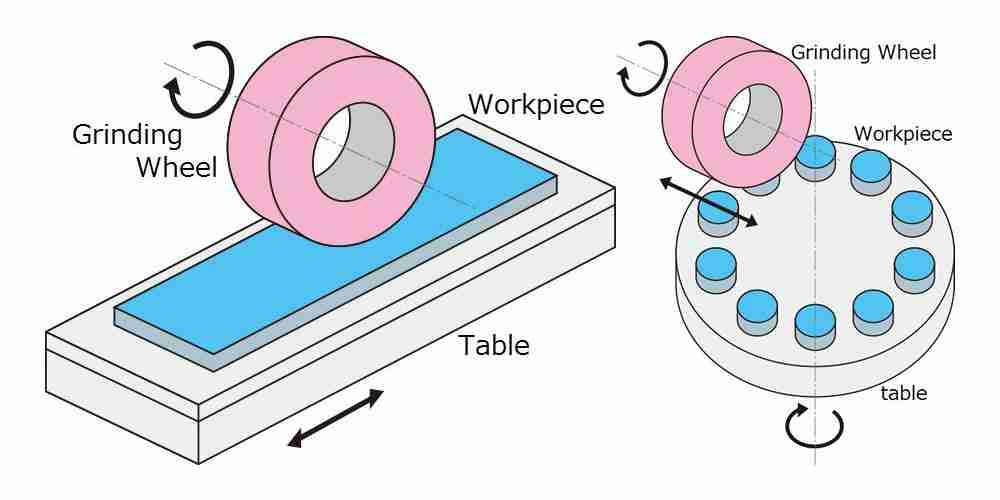
When it comes to cereal milling, the grinding techniques used can have a significant impact on the final flavour and texture of the product. Different methods of grinding can result in varying degrees of coarseness or fineness, which directly affects the mouthfeel and overall taste experience of the cereal.
One common grinding technique used in cereal milling is stone grinding, where grains are crushed between two large stones to produce flour. This method is known for preserving the natural oils and nutrients in the grains, resulting in a richer flavour profile. On the other hand, steel roller mills are often used for more refined grinding, producing a smoother texture but potentially stripping away some of the grains’ natural flavors. Finding the right balance between grinding techniques is essential for creating the perfect cereal flakes that are both flavorful and satisfying to eat.

Optimizing Packaging and Storage for Freshness
When it comes to cereal milling, the process is more than just grinding grains into flakes. It involves a careful balance of factors to ensure the freshness and quality of the final product. One critical aspect is optimizing packaging and storage to preserve the flavors and nutrients of the grains.
Using airtight packaging is essential to protect the cereal from moisture, light, and oxygen, which can all degrade its quality over time. Proper storage in a cool, dry place away from direct sunlight is also crucial. By taking these steps, cereal manufacturers can maintain the freshness of their products and deliver the best possible experience to customers.
Closing Remarks
In conclusion, the art of cereal milling is a fascinating process that transforms grains into the beloved breakfast flakes we enjoy every morning. From the meticulous cleaning and grinding of grains to the precise tempering and rolling of flakes, each step in the journey plays a crucial role in producing the perfect bowl of cereal. So next time you pour yourself a serving of your favorite flakes, take a moment to appreciate the craftsmanship and skill that went into creating them. From grains to flakes, the art of cereal milling truly is a work of culinary magic.



