
Corn, a humble and versatile grain, has undergone a remarkable transformation over the centuries. From a simple kernel planted in the earth, it has evolved into a myriad of products that nourish and sustain us. Join us on a journey exploring the fascinating process of how corn is transformed from seed to staple in our modern world.
Understanding the Stages of Corn Processing
Once the humble corn kernel is harvested, it undergoes a series of intricate processes to transform it into a wide variety of products. The stages of corn processing involve mechanical and chemical techniques that break down the kernel’s components to create versatile ingredients used in countless food and industrial applications.
From milling to refining, each stage brings out different elements of the corn kernel, resulting in products like cornmeal, cornstarch, corn syrup, and even ethanol. is essential for appreciating the array of products derived from this versatile crop. Below is a breakdown of the stages involved in transforming corn from a simple kernel to a valuable product:
- Cleaning: Removing impurities such as dirt, rocks, and broken kernels.
- Milling: Grinding the corn to break it down into various sizes for different products.
- Separating: Separating different components like germ, bran, and endosperm.
| Stage | Product |
|---|---|
| Cleaning | Cleaned corn kernels ready for further processing |
| Milling | Cornmeal, corn flour, corn grits |
| Separating | Corn germ oil, corn bran, endosperm for cornstarch production |
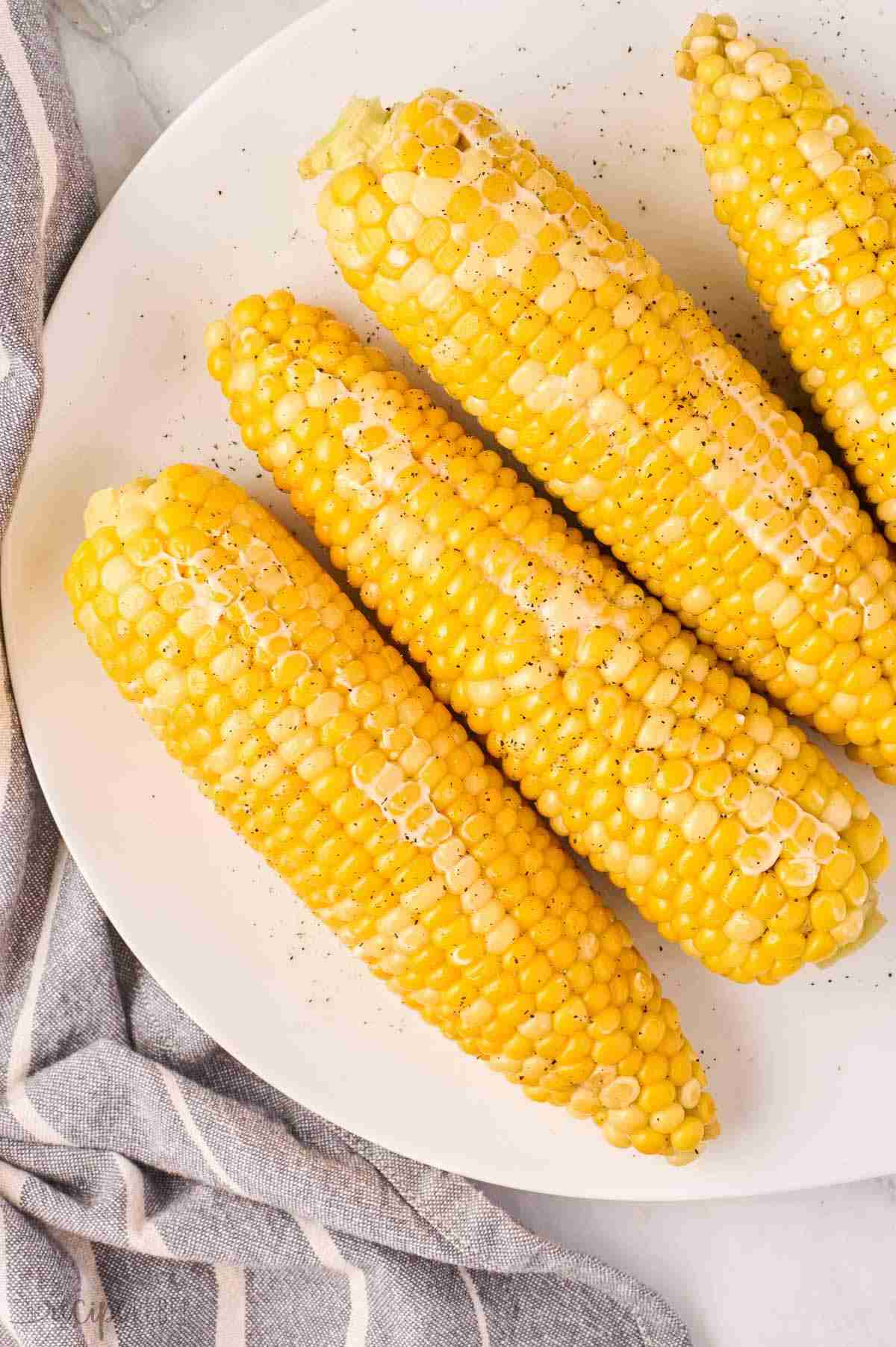
Exploring the Various Uses of Corn Derivatives
Corn, a staple crop with a plethora of uses, undergoes a fascinating transformation from kernel to a wide array of products. One of the main ways corn is utilized is through its derivatives, which are derived from different parts of the corn kernel and serve various purposes. Let’s dive into the diverse uses of corn derivatives and how they contribute to our everyday lives.
From food to fuel, corn derivatives play a crucial role in multiple industries. Ethanol, a corn derivative, is a key component in the production of biofuels, contributing to the renewable energy sector. Corn starch, another derivative, is a versatile ingredient used in a multitude of food products, from thickening agents to sweeteners. Additionally, corn oil, extracted from the germ of the corn kernel, is utilized in cooking and as a base for various cosmetic products. The versatility of corn derivatives highlights the importance of this humble crop in our modern society.
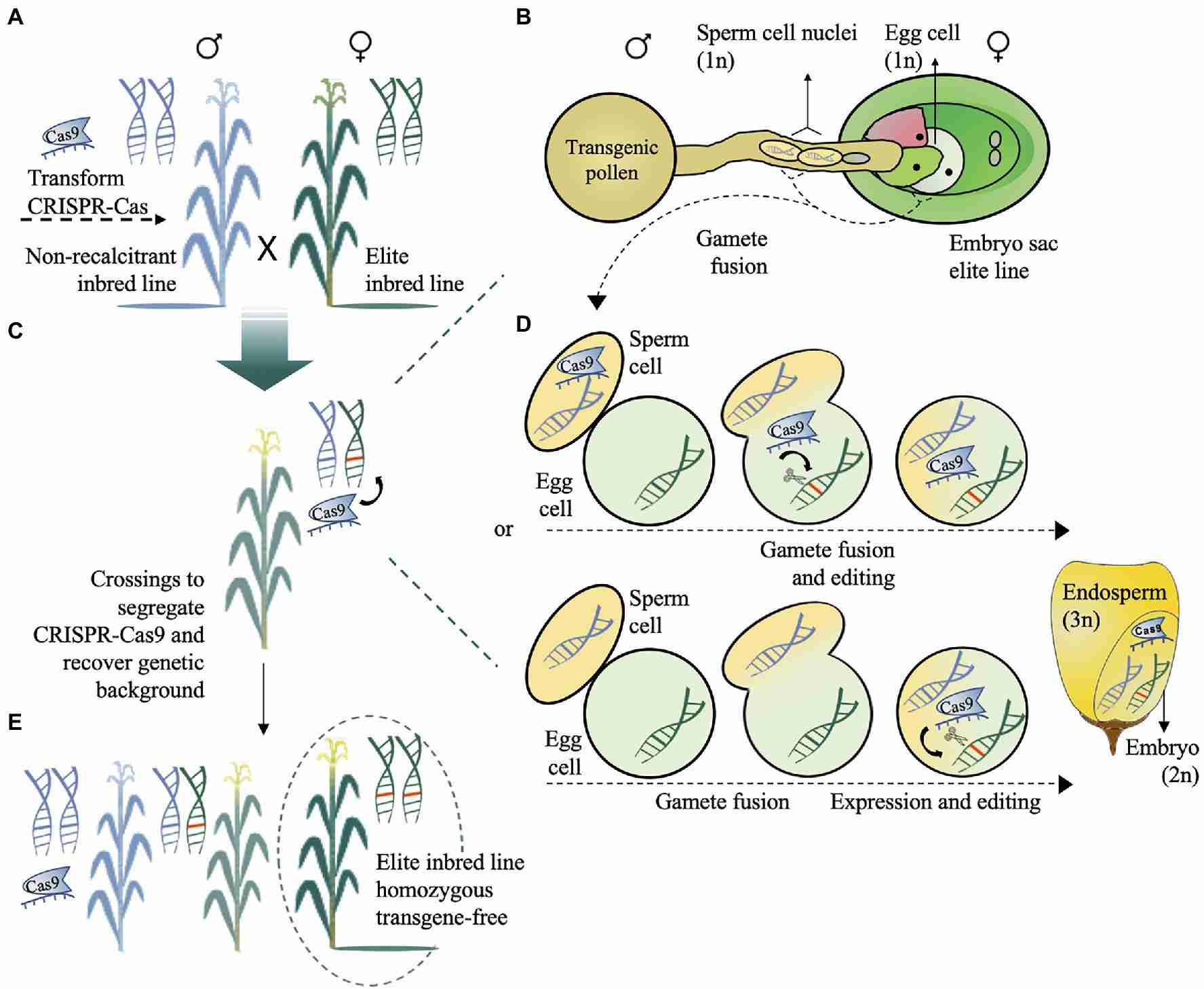
Analyzing the Impact of Corn Transformation on Environment and Economy
Corn transformation plays a crucial role in shaping both the environment and the economy. With the advancement in technology and agricultural practices, the impact of transforming corn from kernel to various products has become a topic of significant interest. The process of corn transformation involves various stages that not only affect the environment but also have a direct impact on the economy.
One major aspect of analyzing the impact of corn transformation is its effect on the environment. From the use of pesticides and fertilizers to the carbon footprint of transportation, each stage of corn transformation can have both positive and negative consequences on the environment. On the other hand, the economy also greatly benefits from the transformation of corn, as it serves as a staple ingredient in various food products, animal feed, and industrial materials. The economic impact of corn transformation is vast, from creating job opportunities in the agriculture sector to contributing significantly to the GDP of many countries.

Innovative Techniques and Sustainability Practices in Corn Production
When it comes to corn production, farmers are constantly innovating to find new techniques and practices that not only increase productivity but also promote sustainability. One such technique that is gaining popularity is precision agriculture. By using GPS technology and data analytics, farmers are able to precisely plant, fertilize, and irrigate their crops, resulting in higher yields and reduced environmental impact.
Another sustainable practice that is being adopted in corn production is the use of cover crops. Planting cover crops like clover or rye between corn harvests helps prevent soil erosion, improves soil health, and reduces the need for synthetic fertilizers. Additionally, some farmers are exploring the use of biodegradable mulches and bio-based pesticides to further reduce their environmental footprint. These innovative techniques are not only transforming the way corn is grown but also ensuring a more sustainable future for agriculture.
In Retrospect
As we’ve seen, the journey of corn from kernel to product is a fascinating transformation that has been shaped by centuries of cultivation and innovation. From the ancient civilizations of Mesoamerica to the industrial processes of today, corn has evolved into a versatile ingredient used in a wide range of products. Whether it’s in our breakfast cereals, our favorite snacks, or even our fuel tanks, corn continues to play a vital role in our lives. So the next time you bite into a crunchy corn chip or sip on a sweet corn-based beverage, take a moment to appreciate the incredible journey that this humble kernel has taken to become the product in your hands. The transformation of corn truly is a marvel of human ingenuity and nature’s bounty.



