
In the heart of the bustling metropolis, there exists a quiet yet indispensable art form that has been practiced for centuries - the art of maize milling. As one of the oldest staple crops in the world, corn holds a special place in the history and culture of many societies. Join us on a journey through the intricate process of transforming corn into flour, where every step and every grain plays a vital role in creating a simple yet vital ingredient that has sustained civilizations for generations.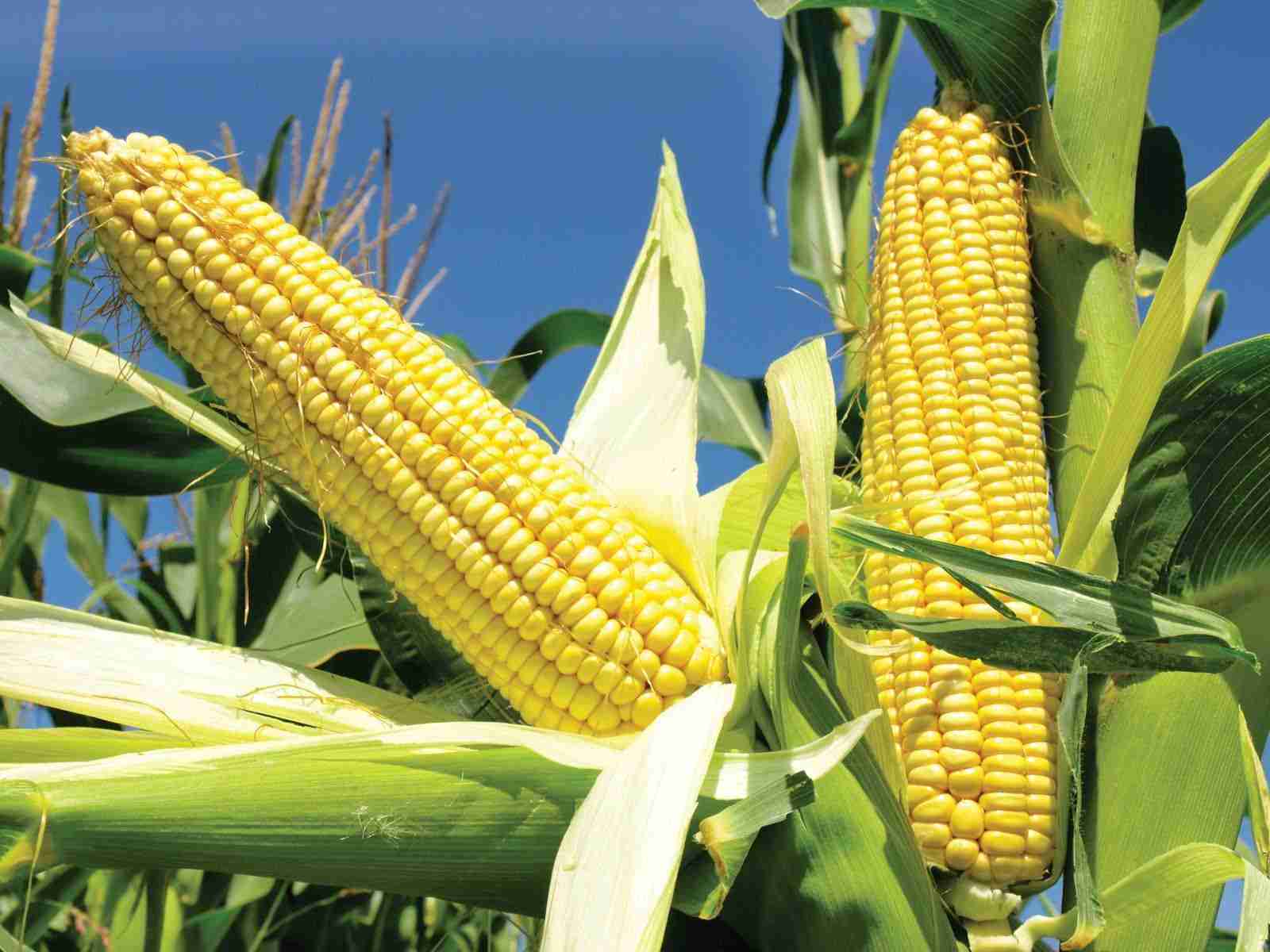
Exploring the History and Significance of Maize Milling
Maize milling is a practice that dates back thousands of years, with its origins traced back to ancient civilizations such as the Aztecs and Mayans. The process of maize milling involves grinding corn kernels into a fine powder, commonly known as cornmeal or maize flour. This staple food has played a significant role in the diets of many cultures around the world, providing essential nutrients and sustenance for centuries.
Through the art of maize milling, corn transforms into a versatile ingredient that can be used in a variety of dishes, from traditional tortillas and bread to modern-day corn chips and breakfast cereals. The significance of maize milling extends beyond its culinary applications, as it holds cultural and historical importance in many societies. Understanding the history and techniques of maize milling can offer valuable insights into the evolution of food preparation and consumption practices throughout different periods of time.
Traditional vs Modern Maize Milling Techniques
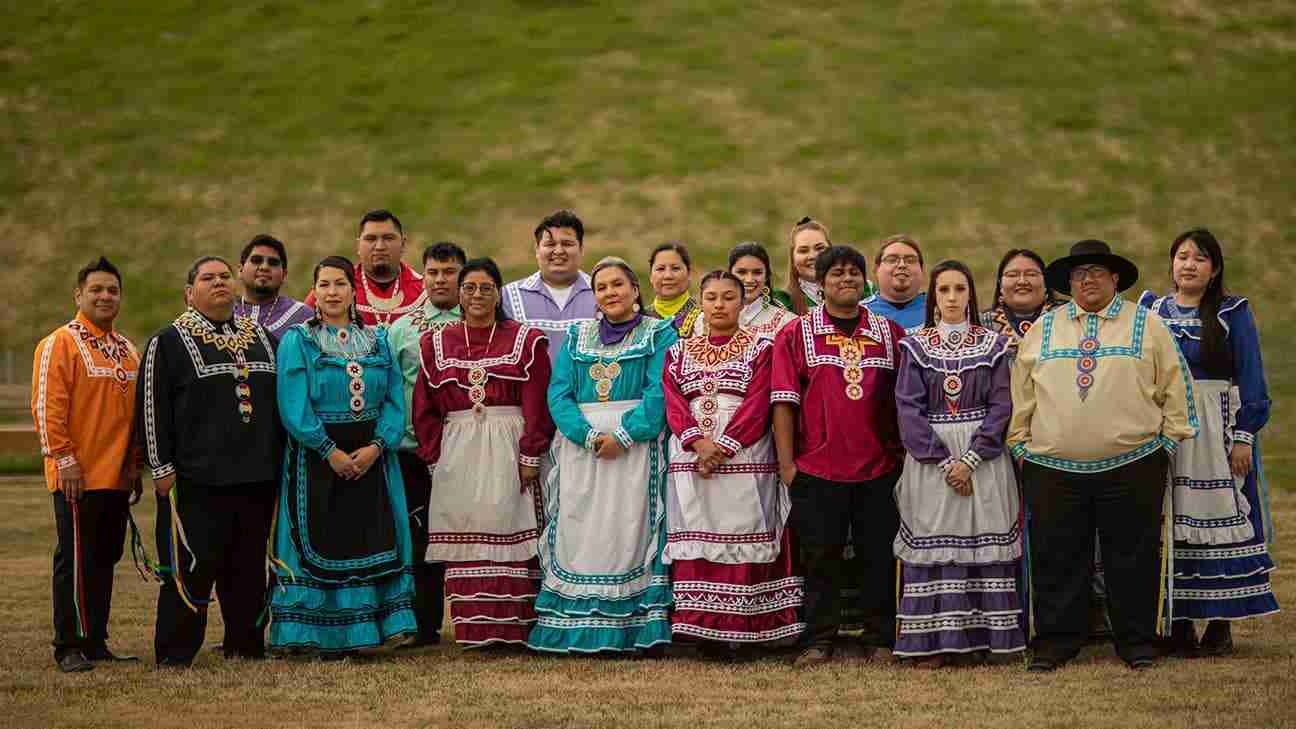
Traditional Maize Milling Techniques: In traditional maize milling techniques, the process involves manually grinding corn kernels using a stone grinder or mortar and pestle. This method has been passed down through generations, with each family having their own unique technique for grinding maize.
Modern Maize Milling Techniques: Modern maize milling techniques involve the use of machinery such as hammer mills, roller mills, and sifters to efficiently grind corn into flour. These machines are able to process large quantities of maize in a shorter amount of time compared to traditional methods, making them more suitable for commercial milling operations.
Understanding the Different Types of Corn Flour
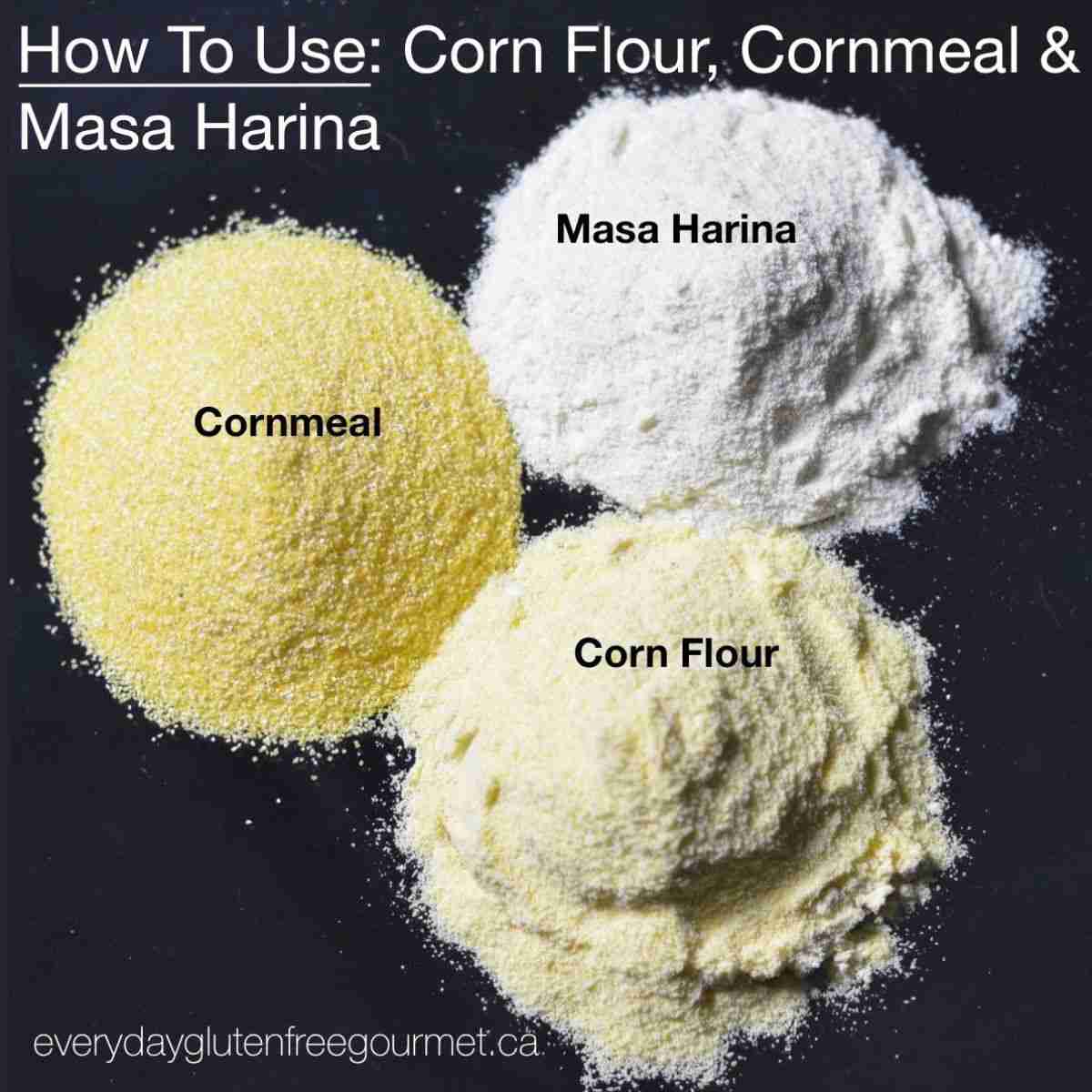
When it comes to corn flour, there are a variety of options to choose from, each with its own unique characteristics and uses. Understanding the differences between these types of corn flour can help you make the best choice for your culinary creations.
**Here are some of the most common types of corn flour:**
- **Cornmeal:** Coarsely ground corn that can range in texture from fine to medium. It is commonly used in cornbread, pancakes, and as a breading for fried foods.
- **Cornstarch:** A fine, white powder made from the endosperm of the corn kernel. It is often used as a thickening agent in soups, sauces, and puddings.
- **Masa Harina:** A type of corn flour made from dried hominy. It is used to make traditional Mexican dishes such as tamales and tortillas.
| Corn Flour Type | Main Use |
| Cornmeal | Cornbread, pancakes, breading |
| Cornstarch | Thickening agent |
| Masa Harina | Tamales, tortillas |

Tips for Selecting and Using Freshly Milled Corn Flour
When it comes to selecting and using freshly milled corn flour, there are a few key tips to keep in mind. First and foremost, it’s essential to choose high-quality corn kernels for milling. Look for locally sourced, non-GMO corn that is free from any added preservatives or chemicals. This will ensure that your flour is fresh, flavorful, and nutritious.
Once you have your corn kernels ready to be milled, it’s important to use the right equipment. Invest in a high-quality grain mill specifically designed for milling corn. Make sure to adjust the settings on the mill to achieve the desired texture for your flour. Whether you’re making cornbread, tortillas, or pancakes, freshly milled corn flour will elevate your recipes with its rich flavor and superior texture.
Wrapping Up
In conclusion, the art of maize milling is a time-honored tradition that has been passed down through generations. From humble corn kernels to fine flour, the process of maize milling is truly a labor of love. So the next time you enjoy a freshly baked tortilla or a warm piece of cornbread, take a moment to appreciate the craft and skill that goes into creating these delicious staples. Whether you’re a seasoned miller or simply curious about the process, the world of maize milling is a fascinating journey full of history and flavor waiting to be explored.



