
Step into the fascinating world of cereal milling, where grains are transformed into the very essence of breakfast staples. Join us on a journey through the intricate process of turning humble grains into the fine powders that make up the foundation of your morning bowl. From the ancient techniques passed down through generations to the cutting-edge innovations of modern technology, discover the artistry and science behind cereal milling in our exploration of “The Art of Cereal Milling: From Grains to Grains”.
Heading 1: Understanding the Process of Cereal Milling
Milling is a centuries-old process that transforms raw grains into the fine powders and flours we use in a variety of food products. The art of cereal milling involves several key steps that work together to produce high-quality products that are essential to our daily lives. Let’s take a closer look at the process and the intricate steps involved in turning grains into grains.
First, the grains are cleaned and sorted to remove any impurities and ensure only the best quality grains are used in the milling process. Once cleaned, the grains are then conditioned to achieve the optimal moisture content for milling. Next, the grains are tempered to soften the outer layers, making it easier to separate the bran, germ, and endosperm. The grains are then ground into fine particles using a series of rollers and sifters to produce the final product. Through this careful process, millers are able to create a wide range of flours and powders that are essential ingredients in many of our favorite foods.
Heading 2: Techniques for Ensuring Optimal Grain Quality
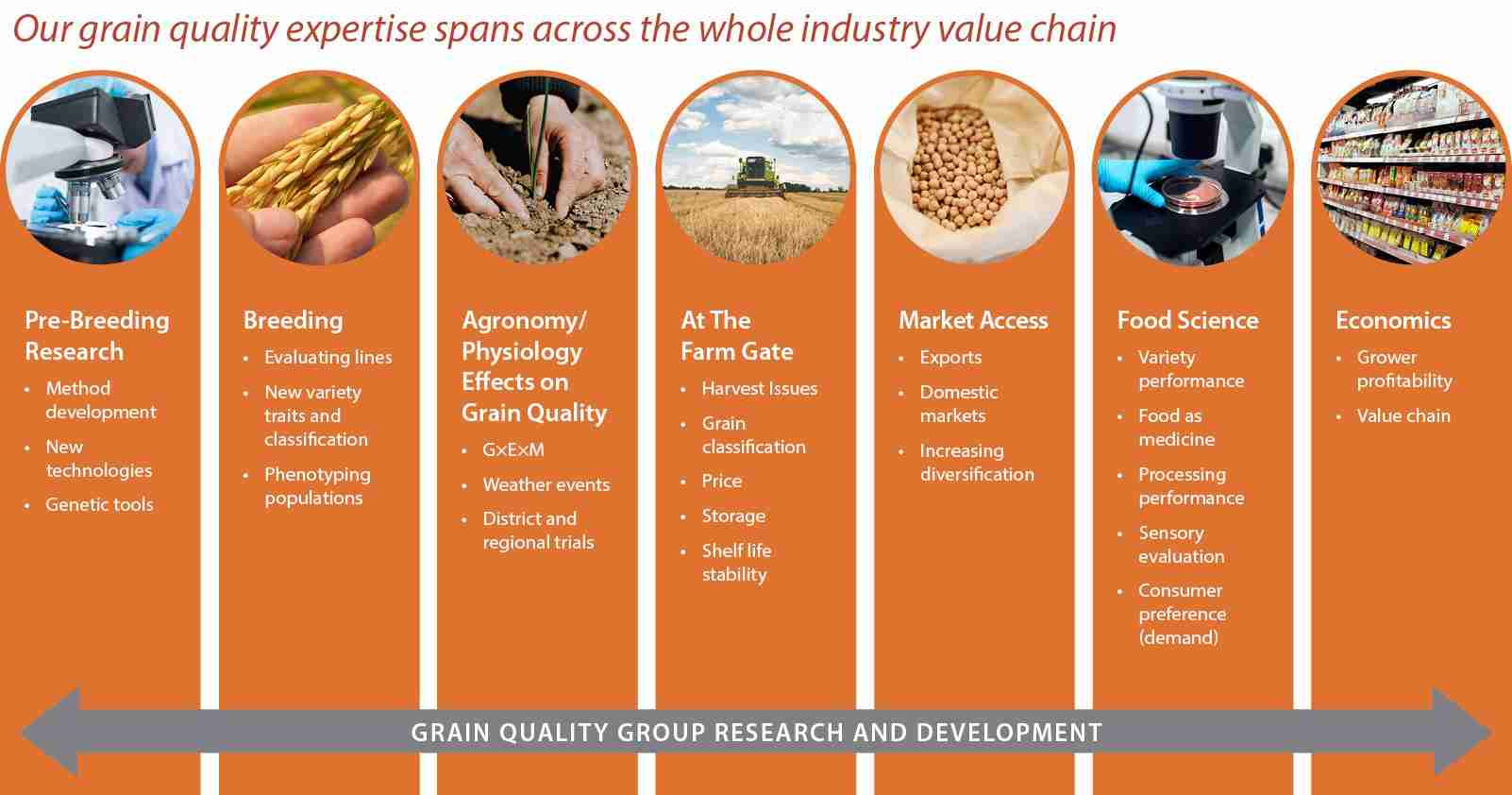
When it comes to ensuring optimal grain quality in cereal milling, there are several key techniques that can make all the difference. One important method is **proper grain storage**, which involves keeping grains in a cool, dry place to prevent moisture buildup and mold growth. This is essential for maintaining the freshness and quality of the grains before they undergo the milling process. Additionally, **regular cleaning and maintenance of milling equipment** is crucial for achieving consistent grain quality. Ensuring that machinery is properly calibrated and free of any contaminants will help produce high-quality flour and prevent any unwanted particles from affecting the final product.
Another technique for optimal grain quality is **accurate grain analysis** prior to milling. Conducting tests to determine the moisture content, protein levels, and other factors of the grains can help millers adjust their processes accordingly to achieve the desired quality of flour. Additionally, **proper grain blending** is essential for achieving a consistent product. By mixing different grains in the right proportions, millers can create flour with the desired characteristics and functionalities. These techniques, when combined and implemented effectively, can help millers produce top-quality flour that meets the highest standards of excellence.

Heading 3: Enhancing Flavor and Nutritional Value through Milling
Cereal milling is a delicate art that transforms raw grains into a myriad of flavorful and nutrient-rich products. Through the process of milling, grains are refined, crushed, and ground to unlock their hidden potential. This not only enhances the flavor profile of the grains but also increases their nutritional value by breaking down tough outer layers and releasing key nutrients.
By utilizing different milling techniques, such as stone milling or roller milling, cereal manufacturers can create a wide range of products that cater to various consumer preferences. Stone milling, for example, retains more of the grain’s natural flavors and nutrients, while roller milling produces a finer texture ideal for baking. The end result is a diverse array of cereals, flours, and other grain-based products that offer both exceptional taste and health benefits.

Heading 4: Expert Tips for Successful Grain Processing
When it comes to successful grain processing, knowing the ins and outs of cereal milling is essential. One expert tip is to always start with high-quality grains to ensure the best end product. Whether you are processing wheat, corn, oats, or barley, the quality of the grain will greatly impact the final result. Another important tip is to properly clean and store your grains before milling. This will help prevent contamination and ensure the integrity of the grains throughout the milling process.
Additionally, understanding the different milling techniques and equipment available is key to successful grain processing. Each type of grain may require a specific milling process to achieve the desired texture and consistency. Experimenting with different milling settings and methods can help you fine-tune your process and achieve optimal results. Lastly, don’t forget the importance of proper maintenance and cleaning of your milling equipment to ensure efficient and consistent processing of grains.
Insights and Conclusions
In conclusion, the art of cereal milling is a delicate process that requires precision, skill, and dedication. From selecting the finest grains to the meticulous grinding process, every step is crucial in ensuring the quality of the final product. Through centuries of innovation and expertise, cereal milling has evolved into a true art form that continues to provide us with one of the most beloved breakfast staples. So the next time you pour yourself a bowl of cereal, take a moment to appreciate the craftsmanship and tradition that goes into every spoonful. It truly is a work of art, from grains to grains.



