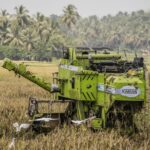
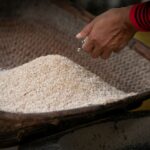
Tucked away in the heart of a bustling countryside, a modern processing unit stands as a testament to the ancient art of transforming paddy. In a symphony of whirring machines and skilled hands, this facility breathes life into grains of rice, turning them from humble seeds into culinary treasures. Join us as we step inside this unassuming building and explore the intricate process that brings this staple food from field to table. Welcome to the art of transforming paddy.
Understanding the Modern Technology Used in Paddy Processing
In a modern paddy processing unit, a myriad of advanced technologies work in harmony to efficiently transform raw paddy into polished rice ready for consumption. One of the key components of this process is the use of sophisticated machinery such as dehuskers, sorters, and polishers that automate various stages of the processing.
Moreover, computerized systems control the entire operation, ensuring precision and consistency in each step. These systems can monitor the moisture levels, temperature, and other crucial parameters to optimize the quality and output of the final product. With the integration of AI algorithms and big data analytics, paddy processing units can now predict maintenance schedules, streamline operations, and minimize wastage.

Optimizing Efficiency and Quality in Paddy Transformation
Within a modern processing unit, the art of transforming paddy into high-quality rice involves a combination of cutting-edge technology, skilled labor, and meticulous attention to detail. One of the key factors in optimizing efficiency and quality is the use of state-of-the-art milling machines that are capable of precisely removing the outer husk from the rice grain without damaging the end product. These machines are equipped with advanced sensors and controls that ensure each grain is processed with maximum efficiency.
Furthermore, the processing unit relies on a team of experienced quality control specialists who are responsible for monitoring every step of the transformation process. They conduct regular inspections of the equipment, analyze samples of the rice at various stages of processing, and make adjustments as needed to maintain the highest standards of quality. By utilizing a combination of technology and human expertise, the processing unit is able to consistently produce rice that meets the strictest standards of both efficiency and quality.

Exploring Sustainable Practices in Rice Processing
Step inside a modern rice processing unit, and you’ll witness the art of transforming paddy into the polished grains we all enjoy. At the heart of sustainable practices lies efficiency and innovation, both of which are on full display in these state-of-the-art facilities. In a delicate dance of technology and tradition, raw paddy is carefully cleaned, dehusked, and polished to perfection.
Through the utilization of eco-friendly machinery and energy-saving processes, these facilities strive to minimize waste and maximize output. From water conservation measures to the utilization of biodegradable packaging, every aspect of the rice processing journey is carefully considered for its environmental impact. The result is not just a high-quality product but a commitment to sustainability that benefits both consumers and the planet at large.
Innovative Approaches to Value Addition in the Paddy Industry
Ever wondered how paddy transforms into the polished rice we buy at the grocery store? Step inside a modern processing unit, and you’ll witness the art of transforming paddy like never before. Through , these state-of-the-art facilities are revolutionizing the way rice is processed and consumed.
At the heart of these processing units lies cutting-edge technology and skilled artisans who meticulously oversee each step of the transformation process. From cleaning and dehusking to polishing and packaging, every stage is carefully managed to ensure the highest quality rice reaches consumers. Boldly embracing automation and efficiency, these units are paving the way for a more sustainable and competitive paddy industry.
Future Outlook
As we conclude our exploration into the art of transforming paddy inside a modern processing unit, it is evident that the journey from grain to table is a meticulous and intricate process that requires skill, technology, and a deep understanding of the traditions and techniques that have been passed down through generations.
From the initial stages of cleaning and soaking, to the final steps of milling and polishing, each stage plays a crucial role in ensuring that the rice we enjoy on our plates is of the highest quality and standards. The marriage of tradition and innovation in these processing units is a testament to the dedication and passion of those who work tirelessly to bring us the staple food that sustains us.
As we reflect on the intricate dance of machinery and manpower that takes place within these processing units, let us not forget the farmers whose hard work and dedication in the fields ensure a bountiful harvest of paddy. Their efforts, combined with the expertise of those in the processing units, culminate in the rice that finds its way onto our dining tables.
With a newfound appreciation for the art of transforming paddy, we can now savor each grain of rice with a deeper understanding of the craftsmanship and skill that goes into its production. Let us continue to support and celebrate the artistry and dedication of those who bring this essential staple food to our plates.