
In the humdrum world of breakfast cereals, few ingredients may seem as commonplace as the humble cornflake. But behind this crunchy morning staple lies a fascinating journey of transformation, from its origins as a simple kernel of corn to the perfectly golden flake that graces our bowls each day. Join us as we delve into the intricate and surprisingly complex world of corn processing, where science, technology, and tradition combine to bring this beloved breakfast food to life.
Understanding the Lifecycle of a Corn Kernel
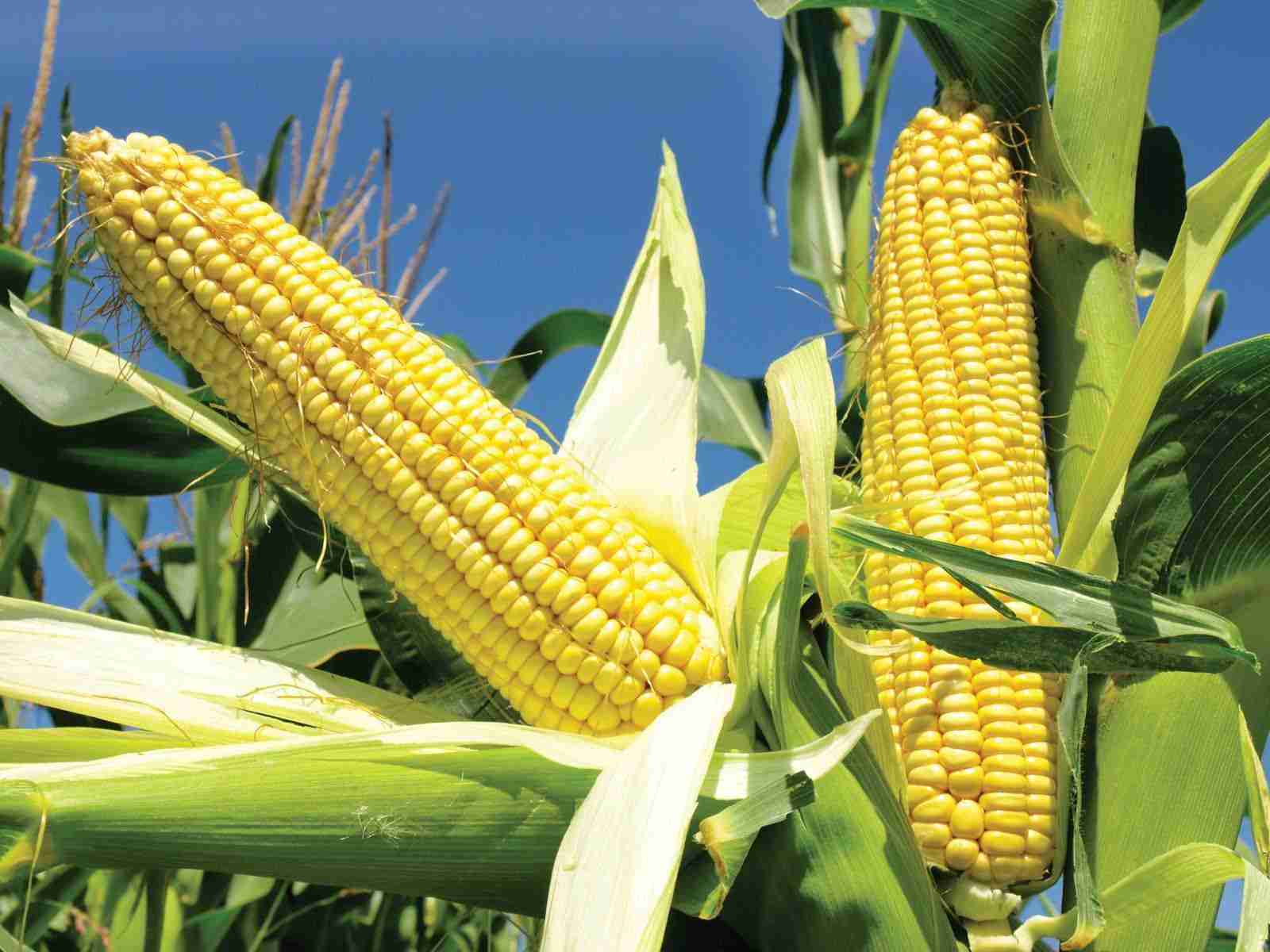
Corn kernels go through a fascinating journey before they end up as a crispy cornflake in your breakfast bowl. The lifecycle of a corn kernel begins when it is planted in the soil as a seed. Over time, the kernel sprouts and grows into a corn plant, developing more kernels on each cob. Once the corn is mature, the kernels are harvested and taken to a processing facility.
At the processing facility, the corn kernels are cleaned and dried to remove any impurities. They are then subjected to a series of milling processes to break them down into different components such as starch, oil, and protein. The starch is separated from the other components and used in a variety of food products, while the oil is extracted for cooking purposes. The leftover components are often used as animal feed or in industrial applications. This intricate process demonstrates the versatility and efficiency of corn as a crop.
| Starch | Used in food products |
| Oil | Extracted for cooking |
| Protein | Used in animal feed |
Exploring the Intricate Process of Corn Milling
Corn milling is a complex and intricate process that transforms a simple kernel into a variety of products that we consume daily. This journey from farm to table involves several stages that require precision and expertise. Let’s dive into the fascinating world of corn processing and unravel the magic behind the creation of cornflakes and other corn-based products.
At the heart of corn milling is the milling process, where the kernels are ground into different components that form the basis of various food items. This process involves multiple steps, including cleaning, conditioning, milling, and sifting, each of which plays a crucial role in producing high-quality products. Through a combination of mechanical and chemical processes, corn is transformed into flour, meal, grits, and other forms that are used in a wide range of dishes. The versatility of corn as a staple ingredient is evident in the array of products that can be derived from this humble grain.

Innovative Technologies Shaping the Future of Corn Processing
Corn processing has come a long way from its humble beginnings to the cutting-edge technology used today. One of the most is precision agriculture. This involves using drones, GPS, and other advanced tools to optimize planting, harvesting, and fertilizing practices, resulting in higher yields and lower environmental impact.
Another exciting development in the world of corn processing is nutrigenomics, which focuses on how our genes interact with the nutrients we consume. By studying the genetic makeup of corn, scientists can develop varieties that are tailor-made to provide the ideal balance of nutrients for human health. This personalized approach to nutrition could revolutionize the way we think about staple crops like corn.

Tips for Finding High-Quality Corn Products
When looking for high-quality corn products, it’s essential to consider the processing methods used. Opt for products that are produced using minimal processing to retain the natural goodness of corn. Look for brands that prioritize quality and source their corn from trusted suppliers.
- Choose products made from non-GMO corn
- Look for items that are free from artificial additives and preservatives
- Opt for corn products that are certified organic
Ensure that the corn products you purchase are processed in facilities that adhere to strict hygiene and quality control standards. Take the time to read labels and do some research on the brands you are considering to make an informed choice. By being selective about the corn products you buy, you can enjoy the best that this versatile grain has to offer.
Insights and Conclusions
As we peel back the layers of corn processing, we uncover a world of innovation, ingenuity, and transformation. From the humble kernel to the beloved cornflake, the journey is a testament to human creativity and perseverance. So next time you reach for that box of cereal, take a moment to appreciate the fascinating world of corn processing that brings this simple delight to your breakfast table. And remember, the next time you see those golden grains, there’s a whole process behind that delicious crunch. Corn truly is a marvel of nature and science combined.



