
Corn, the golden grain that has been a staple crop for centuries, holds immense potential beyond just being a simple food source. In the art of corn processing lies a world of possibilities waiting to be unleashed. From turning it into delicate masa for tortillas to transforming it into crispy popcorn, the versatility of corn knows no bounds. Join us as we explore the intricate world of corn processing and discover the endless ways this humble crop can be transformed into creations that delight the senses.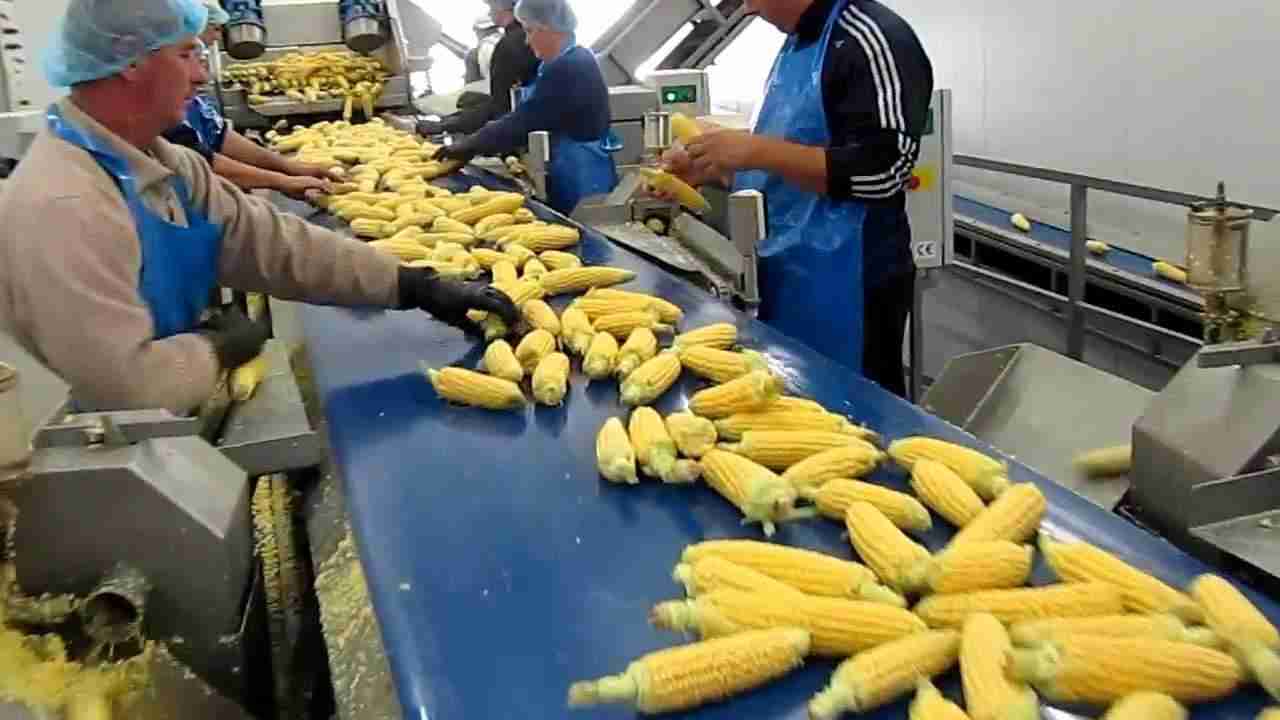
Exploring Traditional and Modern Techniques for Corn Processing
When it comes to corn processing, there is a rich history of traditional techniques that have been passed down through generations. These methods often involve labor-intensive practices such as grinding corn by hand or using a stone mill to make masa for tortillas. The art of nixtamalization, where corn is soaked and cooked in an alkaline solution, is another traditional technique that has been used for centuries to make corn more nutritious and easier to digest.
On the other hand, modern techniques for corn processing have revolutionized the industry, making it faster and more efficient to produce corn-based products on a large scale. Innovations such as industrial corn grinders, automated nixtamalization machines, and extrusion technology have transformed the way corn is processed and have opened up new possibilities for creating a wide range of corn-based products. By combining traditional and modern techniques, we can truly unleash the potential of this versatile staple crop and continue to explore the endless possibilities of corn processing.
Enhancing Nutritional Value through Corn Processing Methods
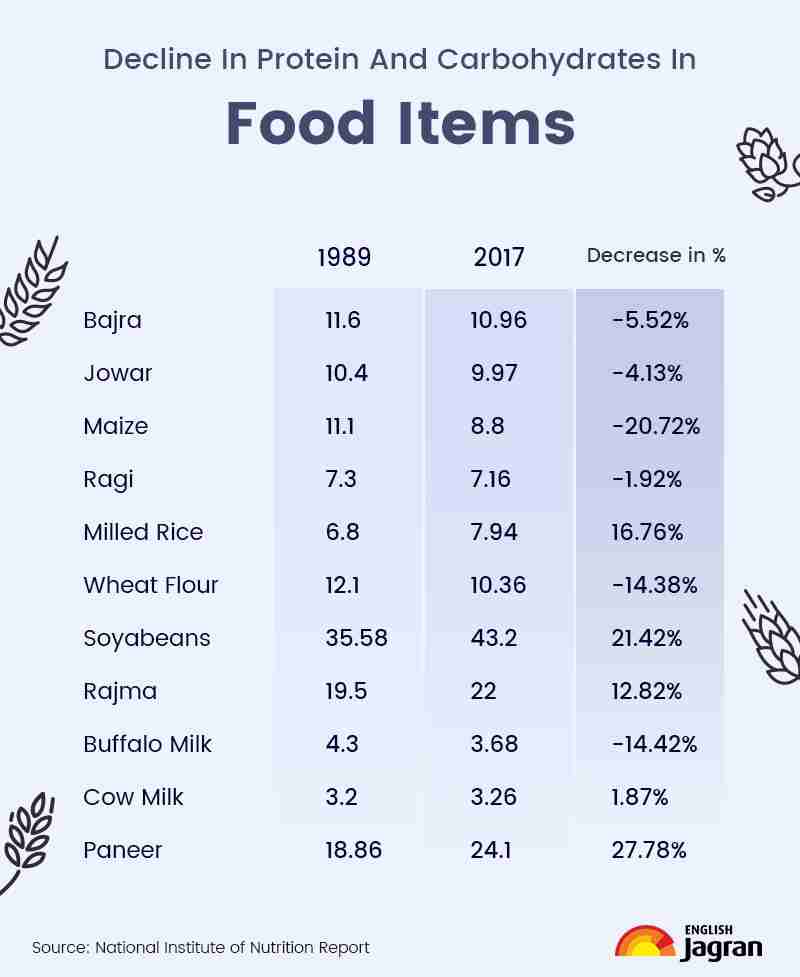
Corn, a staple crop in many cultures, holds immense potential in terms of its nutritional value. By harnessing the various corn processing methods available, we can unlock a plethora of health benefits that this humble grain has to offer. From grinding to fermenting, the art of corn processing allows us to enhance its nutritional content in ways that can truly revolutionize our diets.
Through techniques such as nixtamalization, milling, and extrusion, we can not only increase the bioavailability of nutrients present in corn but also develop innovative products that cater to diverse dietary needs. Whether it’s producing fortified corn products or creating gluten-free alternatives, the possibilities are endless when it comes to maximizing the nutritional value of this versatile crop. By exploring the different processing methods and their impact on the nutritional profile of corn, we can truly unleash its full potential and elevate its status from a mere staple to a powerhouse of nutrients.
Maximizing Profitability and Market Value with Innovative Corn Processing Technologies
Corn processing has come a long way from traditional methods to innovative technologies that have revolutionized the industry. By incorporating cutting-edge techniques, businesses can maximize their profitability and market value while staying ahead of the competition. With advancements in corn processing technologies, companies can unlock the full potential of this staple crop and create value-added products that cater to a wide range of consumer needs.
One of the key factors in maximizing profitability and market value is investing in state-of-the-art equipment that streamlines the processing of corn. Utilizing modern machinery can increase efficiency, reduce waste, and improve overall product quality. Additionally, staying up-to-date with the latest innovations in corn processing can help businesses meet growing consumer demand for healthier, more sustainable products. By embracing new technologies and techniques, companies can position themselves as industry leaders and drive growth in a competitive market.

Sustainable Practices in Corn Processing: Balancing Efficiency and Environmental Impact
Corn processing has been a long-standing practice that dates back to ancient civilizations. Today, the art of corn processing has evolved to incorporate sustainable practices that aim to balance efficiency and minimize environmental impact. By leveraging innovative technologies and adopting eco-friendly approaches, the corn processing industry is unlocking the full potential of this versatile staple crop.
One key aspect of sustainable corn processing is reducing waste and optimizing resource utilization. By implementing efficient processing methods and maximizing the use of by-products, such as corn husks and stalks, companies can minimize their environmental footprint while improving overall efficiency. Additionally, investing in renewable energy sources, such as solar and wind power, can further enhance the sustainability of corn processing operations. Through a combination of conscious decision-making and strategic planning, the industry is paving the way for a more environmentally friendly approach to corn processing.
The Way Forward
In conclusion, the art of corn processing is a fascinating and complex world that holds untold potential for transforming a simple staple crop into a versatile and dynamic ingredient. From ancient civilizations to modern industrial processes, corn has been a cornerstone of human diets and economies for centuries. By exploring the diverse methods of corn processing, we can unlock a world of culinary possibilities and sustainable practices that have the potential to shape the future of food production. Join us in embracing the art of corn processing and harnessing the full potential of this humble grain.



