
In the quiet hum of a maize mill, a symphony of golden kernels transforms before our eyes. The world of maize milling is a mysterious one, where tradition meets innovation and precision meets perseverance. Join us as we delve into the intricate process of grinding gold, where each grain holds the promise of sustenance and the power to nourish nations. Welcome to the mesmerizing world of maize milling.
The Art and Science of Maize Milling
Maize milling is both an art and a science, combining traditional practices with modern technologies to create the perfect flour. The process of grinding maize into flour has been perfected over centuries, with each step carefully designed to extract the maximum flavor and nutrients from the humble corn kernel. From selecting the right variety of maize to adjusting the grind size, maize milling is a meticulous craft that requires skill and precision.
One of the key elements of successful maize milling is understanding the science behind the process. Each variety of maize has its own unique properties, from kernel size to starch content, which can impact the final product. By carefully analyzing these characteristics and adjusting the milling process accordingly, millers can produce flour that is not only delicious but also nutritious. The art of maize milling lies in balancing tradition with innovation, using time-honored techniques alongside cutting-edge technology to create a product that is truly golden.

Unlocking the Nutritional Potential of Maize
Maize, also known as corn, is a staple food for millions of people around the world. However, many are unaware of the nutritional potential that maize holds. By unlocking this potential through the process of milling, we can turn this humble grain into a powerhouse of nutrients.
Maize milling is more than just grinding corn. It involves separating the different components of the grain to create products that are not only delicious but also packed with essential vitamins and minerals. From maize flour to maize meal, each product offers a unique taste and nutritional profile. With the right milling techniques, we can truly tap into the gold mine of nutrients that maize has to offer.

Enhancing Efficiency and Quality in Milling Processes
When it comes to maize milling, efficiency and quality are key factors in ensuring a successful operation. By implementing innovative technologies and practices, millers can greatly improve their processes and produce superior products. One way to enhance efficiency is by investing in high-quality grinding equipment that can handle large volumes of maize with precision and speed. Additionally, employing skilled operators and regularly maintaining machinery can help prevent downtime and ensure consistent quality.
Another important aspect of milling processes is quality control. By carefully monitoring factors such as moisture content, particle size, and temperature throughout the milling process, millers can ensure that their products meet strict quality standards. Utilizing advanced testing equipment and conducting regular inspections can help identify any issues early on and prevent subpar products from reaching the market. Overall, by prioritizing efficiency and quality in maize milling, millers can maximize their output and reputation in the industry.
Sustainable Practices in Maize Milling Operations
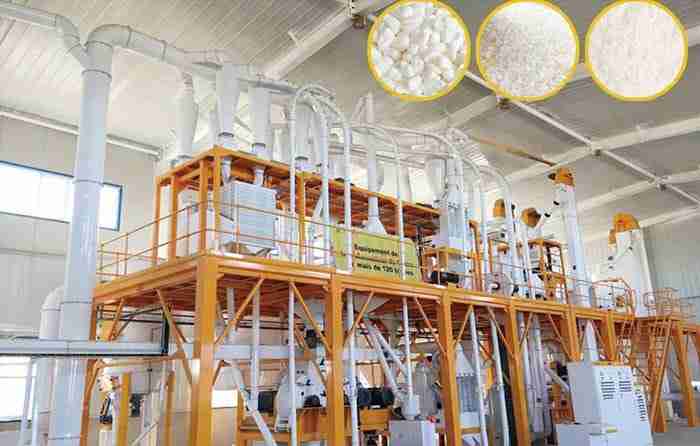
Maize milling is a crucial process that transforms corn kernels into various maize products, such as maize meal, maize flour, and maize grits. In recent years, there has been a growing emphasis on incorporating sustainable practices into maize milling operations to reduce environmental impact and promote social responsibility. One key sustainable practice in maize milling is the utilization of green energy sources, such as solar power or biomass, to power milling operations and reduce reliance on fossil fuels.
Another important sustainable practice in maize milling operations is promoting efficient water usage and waste management. By implementing water recycling systems and utilizing water-saving technologies, maize milling facilities can minimize water wastage and reduce their environmental footprint. Additionally, proper waste management practices, such as composting maize byproducts and minimizing packaging waste, can further contribute to the sustainability of maize milling operations.
Concluding Remarks
As we conclude our exploration into the captivating world of maize milling, we have gained a deeper appreciation for the intricate process of transforming maize into a staple food enjoyed by millions around the globe. From ancient civilizations to modern-day technology, the art of grinding gold has stood the test of time, providing sustenance and nourishment to communities worldwide. The rhythmic hum of the millstone and the sweet scent of freshly ground maize continue to remind us of the enduring importance of this age-old tradition. Whether ground by hand or with the latest machinery, maize milling remains a vital link in the chain that brings food from farm to table. So, let us continue to celebrate the humble maize kernel and the remarkable journey it takes on its way to becoming a nutritious and delicious meal for all to enjoy. Thank you for joining us on this mesmerizing journey through the world of maize milling.



