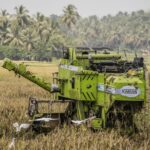
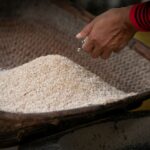
As the sun rises over the picturesque countryside of China, a centuries-old tradition unfolds with precision and skill. The art of Chinese rice milling is a time-honored craft that combines innovation with tradition, producing one of the world’s staple foods with meticulous care and expertise. Join us on a journey through the intricate process of rice milling, where every grain tells a story of dedication, culture, and heritage.
Overview of Chinese Rice Milling Techniques
Chinese rice milling techniques have been passed down through generations, forming a cornerstone of traditional agricultural practices in China. The meticulous art of rice milling involves a series of intricate steps that result in the production of high-quality rice grains prized for their texture and taste.
One key technique used in Chinese rice milling is **pounding** the rice grains to remove the outer husk. This process is typically done using a large mortar and pestle, requiring skill and precision to avoid damaging the delicate rice grains. Another important step is **polishing** the rice to achieve a shiny appearance, often accomplished by using a stone mill to remove the remaining surface layer.

Traditional Tools and Equipment Used in Chinese Rice Milling
In the intricate world of Chinese rice milling, a variety of traditional tools and equipment have been used for centuries to carefully process each grain of rice with precision and care. From hand-operated mortar and pestles to large stone mills, these ancient methods have been passed down through generations, creating a timeless craft that continues to be revered in Chinese culture.
Utilizing tools such as wooden paddles for separating husks, stone rollers for hulling, and bamboo sieves for sorting grains, Chinese rice milling is a delicate art that requires skill and patience. Each piece of equipment plays a crucial role in the process, ensuring that the rice is cleaned, dehusked, and polished to perfection. As the sound of the mill echoes through the air and the aroma of freshly milled rice fills the room, one can’t help but appreciate the beauty and tradition of this ancient craft.
Importance of Authentic Chinese Rice Milling in Preserving Cultural Heritage
Authentic Chinese rice milling is more than just a process of turning rice grains into polished white rice. It is a traditional craft that has been passed down through generations, preserving the cultural heritage of China. The art of Chinese rice milling involves meticulous techniques and attention to detail, ensuring the quality and authenticity of the final product.
By utilizing traditional Chinese rice milling methods, not only are we honoring our ancestors and preserving our cultural identity, but we are also maintaining the unique flavors and textures that are characteristic of Chinese rice. The authenticity of Chinese rice milling plays a crucial role in upholding the traditions and values that have defined our culture for centuries.
Tips for Preserving and Practicing the Art of Chinese Rice Milling
Looking to preserve and practice the ancient art of Chinese rice milling? Here are some tips to help you keep this traditional craft alive:
- Use traditional techniques: Try to incorporate traditional Chinese rice milling techniques into your process, such as hand-pounding rice or using a stone mill.
- Source high-quality rice: To ensure the best results, use high-quality rice that is fresh and has not been heavily processed.
- Maintain your equipment: If you are using traditional milling equipment, make sure to regularly clean and maintain it to ensure it continues to work effectively.
| Tip | Details |
|---|---|
| Stay connected | Join online communities or organizations dedicated to preserving traditional Chinese rice milling. |
| Experiment with different rice varieties | Try milling different types of rice to experience the unique flavors and textures each variety offers. |
Closing Remarks
As we glimpse into the intricate world of Chinese rice milling, it becomes clear that this traditional craft is not only a method of producing food, but a true form of artistry. The meticulous process, passed down through generations, showcases the dedication and skill required to create something so essential yet beautifully crafted. As we continue to appreciate the traditions and techniques that have shaped this craft, we are reminded of the rich cultural heritage that continues to thrive in the modern world. Let us cherish and preserve this ancient art form, ensuring its enduring legacy for generations to come.