
In the heart of every corn kernel lies a story waiting to be told - a tale of ancient techniques and modern innovations, of tradition and technology intertwining to create the perfect grind. Join us on a journey through the art of corn, as we delve into the intricate world of maize milling techniques. From stone grinding to roller milling, the process of transforming humble corn into flour is a symphony of precision and skill. Let’s uncover the secrets behind this essential ingredient and explore the fascinating world of maize milling.
Understanding the History and Cultural Significance of Maize Milling
Maize milling has a rich history that dates back thousands of years, with evidence of early cultivation found in ancient civilizations such as the Mayans and Aztecs. Maize, also known as corn, played a crucial role in the diets and cultures of these societies, symbolizing fertility, abundance, and sustenance. The process of milling maize to create cornmeal, grits, and flour has been passed down through generations, with unique techniques and traditions evolving over time.
Understanding the cultural significance of maize milling is essential for appreciating the artistry and skill involved in this age-old practice. From hand-operated stone mills to modern industrial machinery, the methods of milling maize have evolved over the centuries, yet the fundamental principles remain the same. Maize milling not only provides sustenance in the form of staple foods but also serves as a cultural touchstone, preserving traditions and connecting communities through a shared appreciation for the art of corn.

Exploring Traditional and Modern Maize Milling Techniques
Traditional and modern maize milling techniques have played a crucial role in the history and culture of many societies around the world. From ancient civilizations to modern industrial processes, the art of corn milling has evolved and adapted to meet the changing needs of communities.
Traditional milling techniques often involve manual labor and hand-operated tools, while modern methods utilize advanced machinery and technology. Both approaches have their unique advantages and challenges, showcasing the rich diversity of corn milling practices across different regions. Whether grinding corn for food, animal feed, or industrial uses, the art of maize milling continues to be a fascinating blend of tradition and innovation.
Enhancing Maize Milling Efficiency with Innovative Technologies
In today’s fast-paced world, efficiency is key. When it comes to maize milling, utilizing innovative technologies can make a world of difference in optimizing production processes. By incorporating cutting-edge machinery and techniques, millers can enhance their operations and increase output while maintaining high quality standards.
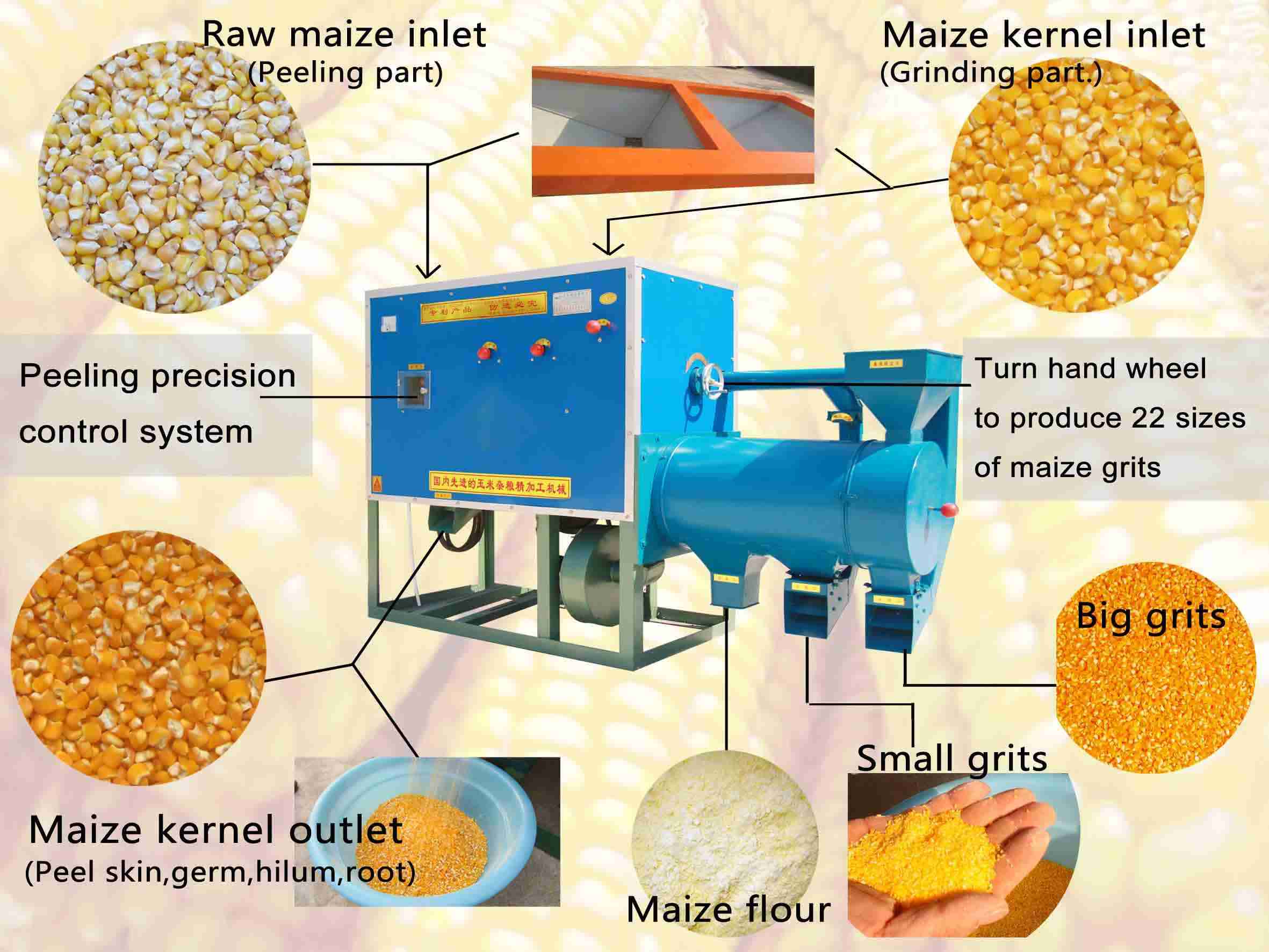
One such technology that has revolutionized maize milling is the use of precision grinding equipment. This advanced machinery allows for finer grinding of maize kernels, resulting in a higher yield of refined maize flour. Additionally, the implementation of automated systems can streamline the milling process, reducing manual labor and minimizing the margin for error. By embracing these innovative technologies, millers can improve their overall efficiency and stay ahead in the competitive industry.
Tips for Achieving Optimal Results in Maize Milling Operations
When it comes to maize milling operations, there are a few key tips that can help you achieve optimal results. One important technique is to ensure that your maize is properly cleaned before it goes through the milling process. This can help prevent any contamination and ensure that your final product is of the highest quality. Additionally, using the correct milling equipment and settings can make a big difference in the outcome of your maize milling efforts. Make sure to adjust the settings based on the type of maize you are working with to achieve the desired texture and consistency.
Another essential tip for successful maize milling is to closely monitor the moisture content of the maize throughout the milling process. Maize with too high or too low moisture content can result in subpar final products. By regularly checking the moisture levels and making adjustments as needed, you can ensure that your maize milling operations run smoothly and efficiently. Lastly, don’t forget the importance of proper storage for both your raw maize and finished maize products. Keeping everything in a cool, dry place can help extend the shelf life and maintain the quality of your maize products.
In Conclusion
As we have delved into the intricate world of maize milling techniques, it is clear that the art of corn extends far beyond its humble appearance. From ancient traditions to modern innovations, the process of transforming maize into flour is a testament to human ingenuity and creativity. As we continue to explore the possibilities of this versatile crop, let us remember the importance of preserving these traditional techniques while also embracing the advancements that propel us into the future. Whether you are a seasoned miller or simply curious about the magic of maize, may the art of corn continue to inspire awe and appreciation for generations to come. Thank you for joining us on this journey through the fascinating world of maize milling.



