
From the lush green fields of Southeast Asia to the tables of homes around the world, the art of paddy processing plays a crucial role in bringing one of the world’s most consumed food staples to our plates. Join us on a journey as we explore the intricate process that transforms humble grains into the rice that sustains billions of people every day.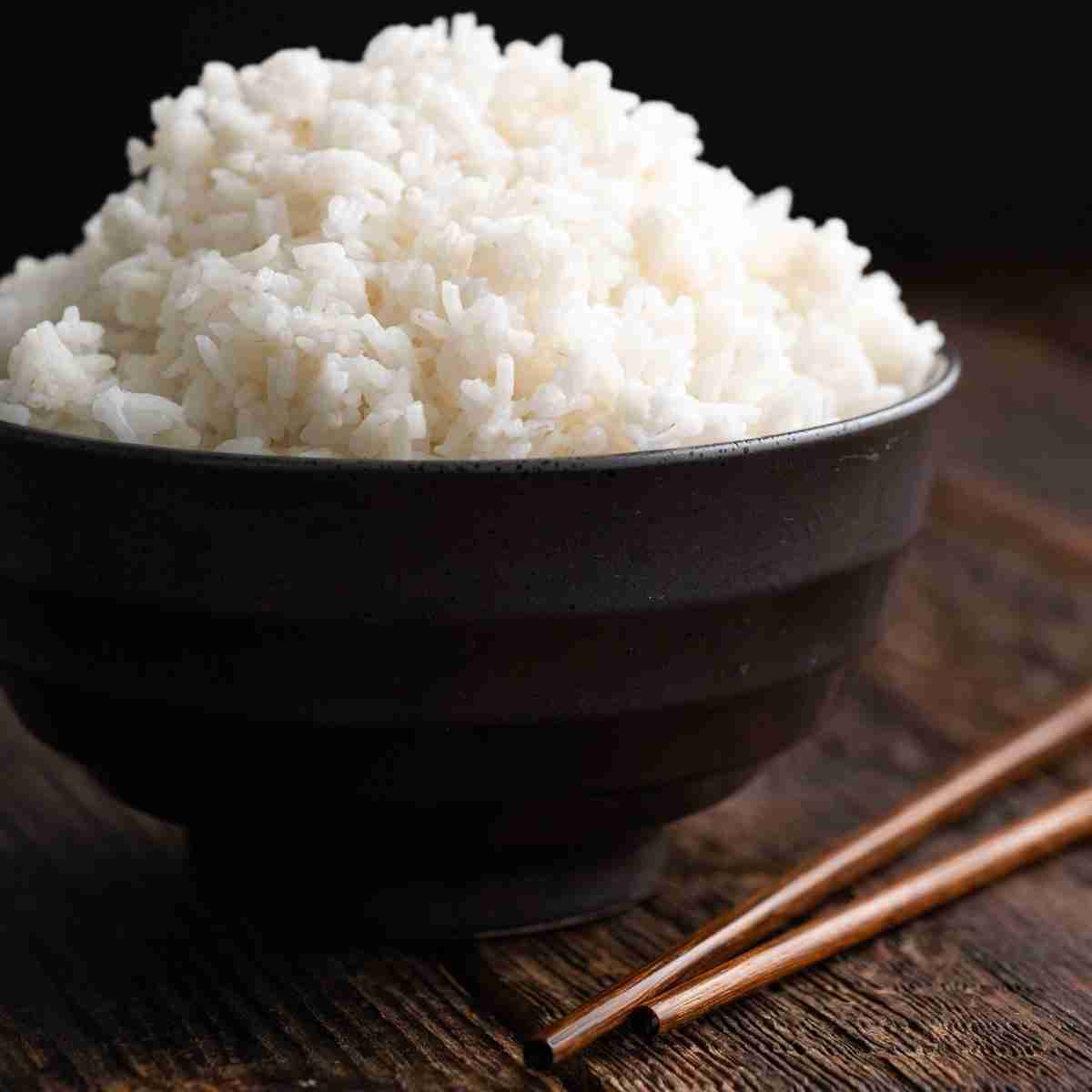
The Journey of Rice: From Harvest to Table
Rice, a staple food consumed by billions across the globe, undergoes a fascinating journey from the fields where it is cultivated to the tables where it is enjoyed. The art of paddy processing involves several intricate steps that transform rough rice into the polished grains we are familiar with. Let’s dive into the world of rice processing and explore the craftsmanship involved in bringing this essential grain to our plates.
Firstly, after the rice is harvested from the fields, it goes through the process of drying to reduce moisture content and prevent spoilage. Once dried, the rice undergoes milling, where the outer husk is removed to reveal the brown rice underneath. This brown rice then goes through further milling processes to remove the bran and germ, resulting in the white rice most commonly consumed. The final product is then polished to achieve the shiny appearance we associate with rice. The journey of rice from harvest to table is not just a process but an art form that requires precision and skill.

Preserving Nutrients: Best Practices in Paddy Processing
In the art of paddy processing, there are several best practices to follow in order to preserve nutrients from the field to the fork. One of the key steps is ensuring that the paddy is harvested at the right time to retain its nutritional value. This means harvesting the grains when they are fully mature but not overripe.
Once the paddy is harvested, it is important to properly dry and store it to prevent nutrient loss. Using modern methods such as mechanical drying can help maintain the quality of the grains. Additionally, milling the paddy to remove the husk and polishing it to make white rice should be done carefully to preserve the essential nutrients like vitamins and minerals. Remember, the goal is to deliver a nutritious and wholesome product to consumers.
| Nutrients | Benefits |
|---|---|
| Vitamin B1 (Thiamine) | Essential for energy production |
| Iron | Important for red blood cell formation |
Mastering the Techniques: Tips for Ensuring Quality Rice
In the world of rice production, mastering the techniques for ensuring quality rice from field to fork is essential. The art of paddy processing involves a combination of traditional methods and modern technologies to achieve the desired results. By following these tips, you can ensure that the rice you produce is of the highest quality:
Key tips for ensuring quality rice:
- Proper drying techniques: Ensure that the paddy is dried thoroughly before processing to prevent mold and ensure optimal milling.
- Quality milling process: Use modern milling equipment to remove the husk and bran layers efficiently while preserving the integrity of the grain.
- Storage precautions: Store the milled rice in a cool, dry place to prevent spoilage and maintain freshness.
| Tip | Details |
|---|---|
| Proper drying techniques | Dry the paddy to a moisture content of around 14% to prevent mold growth. |
| Quality milling process | Use a modern mill with precise settings to achieve the desired level of milling. |
| Storage precautions | Store the rice in airtight containers to maintain its quality and prevent pests. |
Sustainable Approaches: Balancing Tradition and Innovation
In the intricate dance between tradition and innovation, the art of paddy processing stands as a testament to the harmonious relationship between the past and the future. Passed down through generations, the traditional techniques of paddy processing are deeply rooted in sustainability and respect for the land.
At the heart of this ancient art lies a careful balance between time-honored practices and cutting-edge technologies. From hand-harvesting to state-of-the-art milling machines, each step in the process is a delicate fusion of the old and the new, ensuring that the final product is not only delicious but also environmentally friendly.
- Hand-harvesting: Honoring the age-old tradition of hand-picking each rice grain, ensuring quality and sustainability.
- Modern milling techniques: Utilizing advanced machinery to efficiently process paddy while minimizing waste.
- Sustainable packaging: Eco-friendly materials and practices to reduce environmental impact.
Concluding Remarks
As we come to the end of our exploration into the intricate art of paddy processing, we hope you have gained a newfound appreciation for the journey that our food takes from field to fork. From the tender care of farmers to the expert craftsmanship of millers, every step in the process plays a vital role in ensuring that we can enjoy the delicious rice on our plates. So the next time you savor a bowl of perfectly cooked rice, take a moment to reflect on the hard work and dedication that went into bringing that simple grain from the field to your fork. It truly is a remarkable journey worth celebrating.



