
From the golden fields of the Midwest to the bustling kitchens of top-rated restaurants, corn is a versatile crop that has been a staple in diets around the world for centuries. In this article, we will explore the intricate art of corn processing, from the moment it is harvested to the time it reaches your dinner table. Join us on a journey through the various steps involved in the production of this beloved staple, and discover the rich history and cultural significance that surrounds the humble corn kernel.
The Ancient History of Corn Processing Techniques
Corn processing has a rich history that dates back thousands of years, with ancient civilizations developing various techniques to turn this humble grain into a staple food source. One of the earliest methods used by indigenous tribes in the Americas was nixtamalization, where corn kernels were soaked and cooked in an alkaline solution, typically made from lime or wood ash. This process not only softened the kernels but also transformed them into a more nutritious and digestible form, making it easier to grind into flour or dough for cooking.
Another ancient corn processing technique was maize grinding, where dried corn kernels were crushed into a coarse powder using hand-held stones or grinding tools. This ground corn was then used to make a variety of dishes, such as tortillas, tamales, and porridge. The art of corn processing was not just about preparing food but also about preserving cultural traditions and sustaining communities through the generations.
Innovative Methods for Maximizing Corn Flavor and Texture
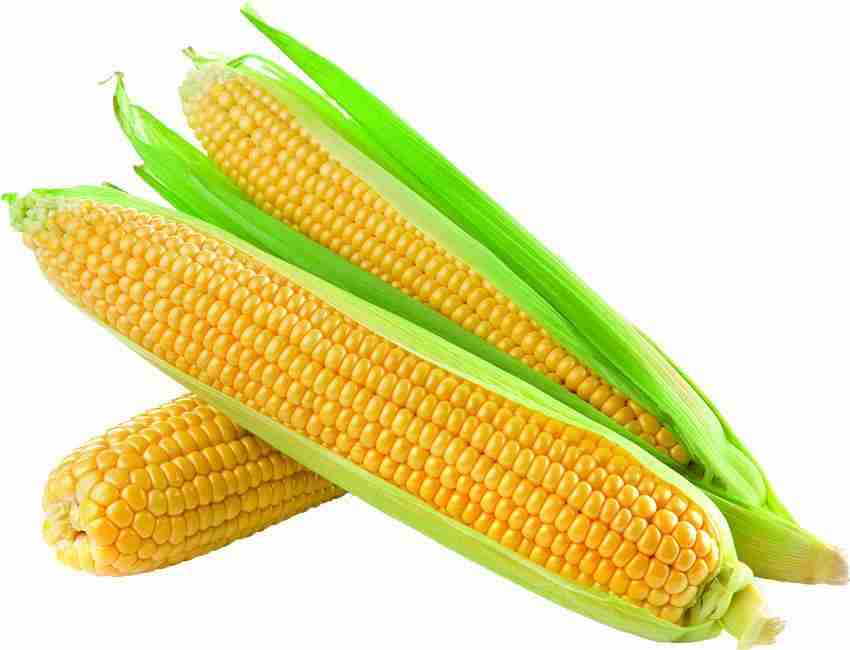
When it comes to maximizing the flavor and texture of corn, there are several innovative methods that can be utilized to elevate this humble vegetable to new heights. One key technique is to harvest the corn at the peak of ripeness, ensuring that it is at its most flavorful. By selecting corn that is fresh and sweet, you can enhance the overall taste of your dish.
Another method for maximizing corn flavor is to experiment with different cooking techniques. Grilling corn on the cob can add a smoky depth of flavor, while roasting it in the oven can bring out its natural sweetness. Additionally, incorporating complementary ingredients such as butter, herbs, and spices can further enhance the taste and texture of the corn, creating a truly delicious dish that will leave your taste buds craving more.
Practical Tips for Preserving and Cooking Fresh Corn
Corn is a versatile and delicious vegetable that can be enjoyed in a variety of ways. To make the most out of fresh corn, it is important to know how to properly preserve and cook it. Here are some practical tips to help you master the art of corn processing:
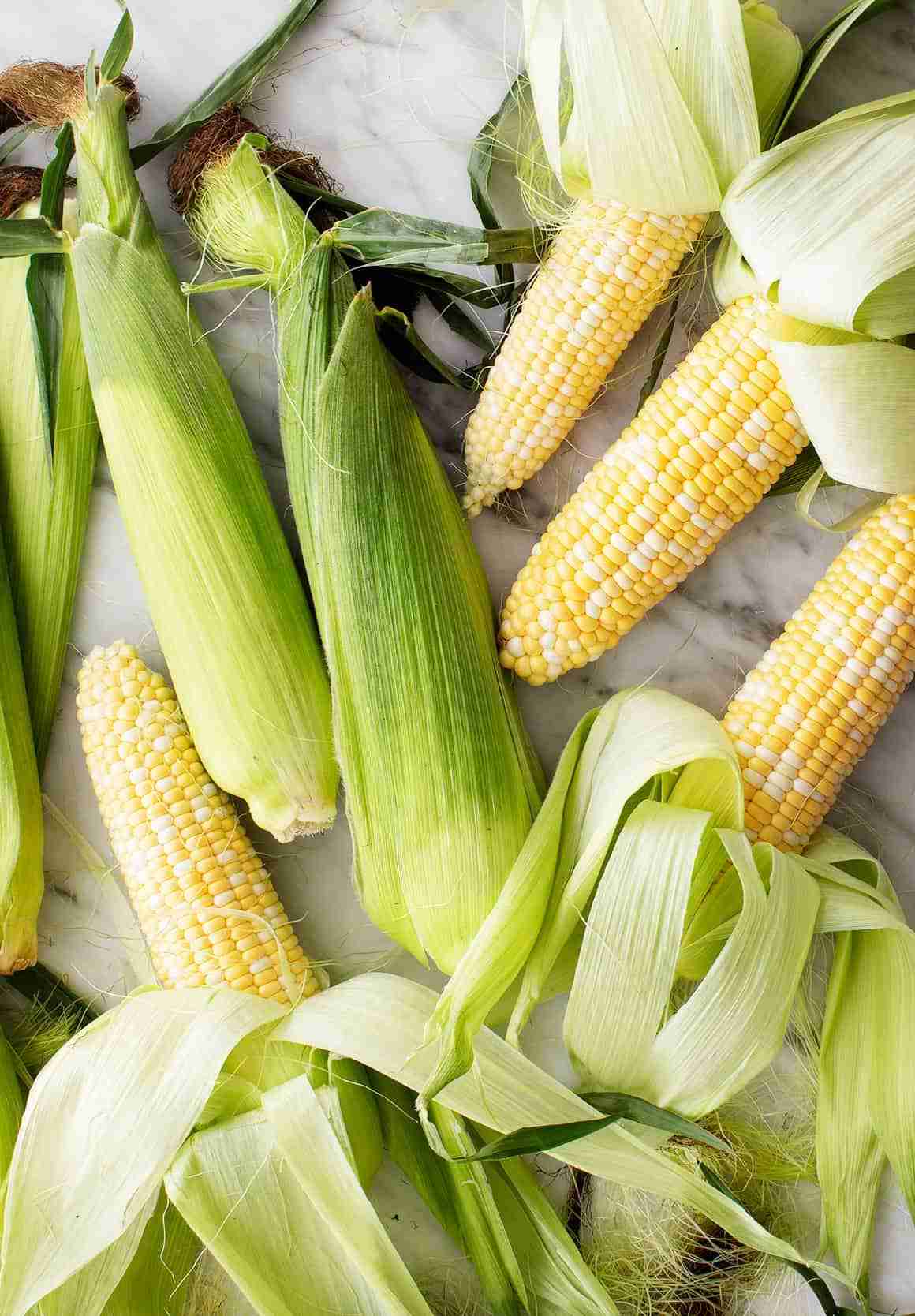
- Harvesting: When selecting corn at the grocery store or farmer’s market, look for ears that have bright green husks and plump kernels that are tightly packed together. For the best flavor and texture, try to use the corn as soon as possible after purchasing.
- Shucking: To prepare the corn for cooking, carefully peel back the husks and remove the silk. It’s best to do this just before cooking to keep the corn fresh and flavorful.
- Storing: If you have extra corn that you want to save for later, you can freeze it. Blanche the corn in boiling water for a few minutes, then transfer it to an ice bath to stop the cooking process. Once cooled, you can cut the kernels off the cob and store them in a freezer-safe container for up to 6 months.

Exploring Regional Variations in Corn Processing Traditions
One of the oldest and most important traditions in many regions around the world is the processing of corn. From ancient civilizations to modern-day practices, corn processing techniques have evolved and diversified, creating a rich tapestry of culinary traditions. In this post, we will delve into the fascinating world of regional variations in corn processing, exploring the unique methods and flavors that make each culture’s corn dishes a true work of art.
Whether it’s the intricate process of nixtamalization in Mexico, the traditional stone-grinding mills in the American South, or the fermentation techniques used in Africa, each region has its own special way of turning corn into delicious and nutritious meals. **Join us on a journey** as we uncover the secrets behind these time-honored traditions and celebrate the diversity of corn processing methods around the world.
Concluding Remarks
As we conclude our exploration into the intricate art of corn processing, we have gained a deeper appreciation for the time-honored techniques and traditions that have been passed down through generations. From the humble fields of the harvest to the savory dishes served at the table, corn truly is a versatile and essential ingredient in countless cuisines worldwide. So next time you enjoy a warm bowl of corn chowder or a crispy ear of grilled corn, remember the craftsmanship and dedication that goes into bringing this beloved staple from farm to fork. Here’s to the art of corn processing, a rich tapestry of flavors and history that continues to nourish and delight us all.



