
Rice, a staple food in many cultures around the world, has witnessed a groundbreaking transformation with the invention of the industrial rice milling machine. This revolutionary technology has not only streamlined the process of rice production but has also significantly increased efficiency and productivity. Let us delve into the fascinating world of the industrial rice milling machine and explore the impact it has had on the global rice industry.
The History of Rice Milling Machines
Rice has been a staple food for centuries, but the process of milling rice has evolved significantly over time. The industrial rice milling machine has revolutionized the way rice is processed and produced, making it more efficient and accessible to a larger population. These machines have played a crucial role in increasing rice production worldwide, meeting the growing demand for this essential food source.
With the advancement of technology, modern rice milling machines are capable of processing large quantities of rice quickly and accurately. The automation of these machines has streamlined the milling process, reducing manual labor and increasing productivity. Additionally, the improved precision of these machines ensures that the quality of the milled rice remains high, meeting the standards for both domestic consumption and international trade. Overall, the industrial rice milling machine has transformed the rice industry, making rice more readily available and affordable for people around the globe.
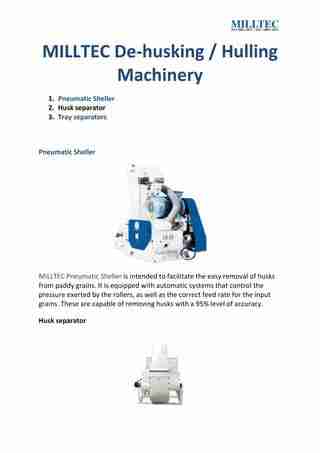
The Impact of Industrial Rice Milling Machines on Society
Rice has been a staple food for centuries, nourishing billions of people around the world. The introduction of industrial rice milling machines has revolutionized the way rice is processed, impacting society in numerous ways. These machines have greatly increased efficiency in rice production, allowing for larger quantities of rice to be processed in a shorter amount of time.
With the advent of industrial rice milling machines, society has experienced significant changes in various aspects:
- Increased food production to meet the growing demands of a global population.
- Improved quality control in rice processing, resulting in higher quality rice products.
- Reduction in manual labor required for rice milling, leading to more opportunities for skilled labor in other sectors.

The Advantages and Disadvantages of Using Industrial Rice Milling Machines
Rice is a staple food for billions of people around the world, and the use of industrial rice milling machines has revolutionized the way rice is processed. These machines offer several advantages, including:
- Efficiency: Industrial rice milling machines can process large quantities of rice quickly and efficiently, saving time and labor costs.
- Consistency: These machines produce uniform and consistent results, ensuring that each grain of rice is of the same quality.
- Higher yield: Industrial rice milling machines can remove more impurities and husks from rice grains, resulting in a higher yield of polished rice.
| Advantages of Industrial Rice Milling Machines | ||
|---|---|---|
| Efficiency | Consistency | Higher yield |
However, there are also some disadvantages associated with the use of industrial rice milling machines:
- Cost: These machines can be expensive to purchase and maintain, which may be a barrier for small-scale rice producers.
- Energy consumption: Industrial rice milling machines require a significant amount of energy to operate, which can contribute to higher production costs and environmental impact.
- Lack of control: Using these machines may result in a loss of control over the quality of the final product, as some traditional processing methods may be overlooked.
| Disadvantages of Industrial Rice Milling Machines | ||
|---|---|---|
| Cost | Energy consumption | Lack of control |
Tips for Maximizing Efficiency with Industrial Rice Milling Machines
When it comes to maximizing efficiency with industrial rice milling machines, there are several key tips to keep in mind that can help streamline the entire process. One of the most important factors to consider is regular maintenance and cleaning of the machine to ensure optimal performance. Keeping the equipment well-maintained can prevent breakdowns and prolong its lifespan, ultimately saving time and money in the long run.
Another tip for maximizing efficiency is to properly train operators on how to use the machine effectively. Having skilled and knowledgeable staff can significantly improve output and reduce the risk of errors. Additionally, utilizing automation features and implementing a well-organized workflow can further enhance productivity and efficiency in the industrial rice milling process.
Closing Remarks
In conclusion, the industrial rice milling machine has truly revolutionized the way rice is processed and produced on a mass scale. With its efficiency and precision, this innovative technology has drastically improved the quality and availability of rice worldwide. It has paved the way for more sustainable and cost-effective methods of rice production, ensuring that this staple food remains accessible to all. As we continue to embrace advancements in agricultural technology, the future of rice farming looks brighter than ever before. The industrial rice milling machine has undoubtedly played a significant role in shaping the world of rice production, and its impact will be felt for generations to come.



